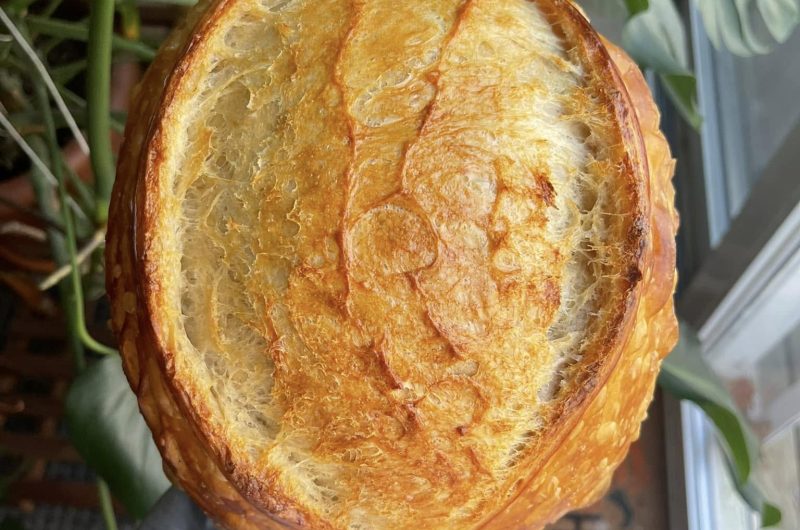
Blue Moon sourdough beer bread is an interesting variation on traditional homemade bread, combining the familiar appeal of sourdough baking with the distinctive flavor of beer. This style of bread can offer a hearty texture, a golden crust, and a rich aroma that makes it an appealing addition to everyday meals. Beer bread is popular among home bakers because beer contributes moisture and flavor to the dough, while sourdough starter can bring its own mild tang and complexity. When these ingredients are combined thoughtfully, the result can be a loaf that pairs beautifully with soups, stews, sandwiches, and savory snacks. Whether you enjoy experimenting with sourdough recipes or simply want to try a different kind of homemade bread, Blue Moon sourdough beer bread is a delicious concept worth exploring. The exact flavor, texture, and preparation method depend on the recipe’s ingredients and proportions.
What Makes Blue Moon Sourdough Beer Bread Different?
The distinctive feature of Blue Moon sourdough beer bread is the combination of beer-inspired flavor and sourdough character. Blue Moon is commonly associated with a Belgian-style wheat beer profile, often featuring citrus and coriander notes, although the exact taste depends on the product used. These flavors can complement the gentle acidity of sourdough and the natural, wheaty taste of bread. Beer also contributes liquid to a bread recipe, helping hydrate the flour and distribute flavor throughout the dough. Depending on the formulation, the loaf may have a tender crumb, a substantial crust, and a subtle malty aroma. It is important to remember that the beer’s flavor does not automatically make the bread taste strongly alcoholic. Baking changes the beer’s original characteristics, leaving a more rounded flavor that can work well with savory dishes.
Understanding the Role of Sourdough Starter
Sourdough starter is a mixture of flour and water maintained through fermentation by naturally occurring yeasts and bacteria. In bread making, an active starter can help the dough rise while contributing the pleasantly tangy flavor associated with sourdough bread. It also influences the dough’s structure, aroma, and fermentation time. When preparing sourdough beer bread, the starter’s condition matters because an active, recently fed starter generally behaves differently from an unfed discard starter. A recipe developed for active starter may require a different fermentation schedule from one designed for sourdough discard. Before beginning, check the original recipe to determine which type is needed. Following the intended method helps produce a loaf with a suitable rise and texture. Sourdough fermentation is not always quick, but allowing the dough enough time to develop can make a noticeable difference in the finished bread.
How Beer Contributes to the Bread’s Flavor
Beer can provide a combination of maltiness, bitterness, and aromatic complexity that water alone does not offer. In Blue Moon sourdough beer bread, a wheat beer may contribute soft grain notes and a light citrus character that complements the flour. Beer varieties differ considerably, however, so substitutions can change the loaf’s flavor. A strongly hopped beer may add more bitterness, while a dark stout may produce roasted, coffee-like, or chocolate-like notes that are quite different from the intended profile. Carbonation can also create temporary foam when the beer is poured, so measuring it carefully helps prevent spills and makes mixing easier. If the recipe calls for beer at room temperature, allow it to reach that temperature before combining it with other ingredients. This can help avoid unnecessarily cooling the dough and slowing fermentation.
Choosing the Right Beer for This Recipe
The best beer for Blue Moon sourdough beer bread depends on the flavor the recipe is designed to achieve. If the original recipe specifically calls for Blue Moon, using that beer is the most reliable way to preserve the intended flavor. Its wheat-beer character can complement the mild tang of sourdough without necessarily overwhelming the bread. If a substitution is permitted, choose a beer with a similarly gentle malt profile rather than one with an especially strong hop bitterness. Citrus-forward wheat beers may provide a comparable flavor direction, although the finished loaf will not be identical. Always consider the original ingredient list before making changes, particularly when the goal is to reproduce a particular recipe. The amount of beer matters just as much as the variety because the liquid helps determine the dough’s consistency, hydration, and final crumb.
The Importance of Flour in Sourdough Beer Bread
Flour provides the structure that holds the bread together, and its protein content affects the texture of the finished loaf. Bread flour generally contains more protein than all-purpose flour, allowing it to develop a stronger gluten network when mixed and kneaded. All-purpose flour can also work well in many homemade bread recipes, depending on the proportions and method. The important point is to use the flour specified in the original recipe rather than changing it without considering the effect on the dough. Flour brands can absorb different amounts of liquid, so a dough may feel slightly different even when the measurements are accurate. Measuring flour by weight is often more consistent than measuring it by volume. If using cups, spoon the flour into the measuring cup and level the top rather than packing it down, which can lead to excess flour and a dry loaf.
Preparing Your Kitchen Before Baking
Good preparation makes homemade bread baking easier and more predictable. Before mixing the dough, gather the ingredients, measuring tools, mixing bowl, dough scraper, and the baking equipment specified in the recipe. Read the full instructions once so you understand whether the bread requires kneading, stretch-and-fold techniques, an overnight rise, or baking in a particular pan or Dutch oven. Sourdough recipes can involve waiting periods that are easy to overlook, especially when fermentation depends on room temperature. Having everything ready helps you follow the process without rushing. Make sure your work surface is clean and that the oven rack is positioned appropriately for the selected baking vessel. If the recipe requires preheating a Dutch oven, follow the manufacturer’s safety guidance and handle the hot vessel carefully. A little organization at the beginning can prevent common mistakes later.
Measuring Ingredients Accurately for Consistent Results
Accurate ingredient measurements are particularly important in sourdough baking because flour, liquid, and starter work together to determine dough hydration. Too much flour can make the dough stiff and limit expansion, while excess liquid may produce a dough that is difficult to handle. Use the exact ingredient amounts supplied by the original recipe, and pay attention to whether the measurements are given in grams, ounces, cups, or tablespoons. When both weight and volume are provided, weighing ingredients usually offers greater consistency. Beer should be measured after any excessive foam has settled so that the liquid quantity is more accurate. Sourdough starter also needs to be measured according to the recipe’s instructions. A starter measured by weight may differ substantially from one measured loosely in a cup, making careful measuring an important step toward achieving a loaf with a reliable texture.
Mixing the Dough for Blue Moon Sourdough Beer Bread
Mixing brings the ingredients together and begins the process of developing the dough’s structure. Follow the original recipe’s order of addition because the method may be designed around a specific hydration level or starter type. In many bread recipes, the dry ingredients are combined before liquids are added, while other sourdough methods begin with a mixture of starter, water, and flour. Beer can be incorporated with the other liquids or added according to the recipe’s instructions. Stir until no large pockets of dry flour remain, then assess the consistency described in the method. Some sourdough doughs feel sticky at first and become easier to handle as gluten develops. Avoid adding extra flour automatically simply because the dough feels tacky. Instead, follow the prescribed mixing and resting steps, which may help the flour absorb moisture and improve the dough’s structure.
Developing Gluten for a Better Bread Texture
Gluten development gives bread dough the elasticity needed to expand and retain gas during fermentation. Depending on the recipe, this may be achieved through kneading, stretch-and-fold movements, coil folds, or a combination of techniques. Each method helps organize the proteins in the flour into a network that supports the dough as it rises. Sourdough beer bread does not necessarily need intensive kneading, particularly if the recipe uses a longer fermentation period and repeated folds. The correct technique is the one specified in the recipe. During handling, use gentle movements when possible to avoid tearing the dough unnecessarily. If the dough is sticky, lightly dampened hands or a dough scraper can make the process easier without introducing too much additional flour. With practice, you will become more familiar with the difference between a weak, rough dough and one that feels smoother, more elastic, and better able to hold its shape.
Understanding Bulk Fermentation
Bulk fermentation is the main rising period after the dough has been mixed and before it is shaped. During this stage, the sourdough culture produces gas and fermentation by-products that contribute to the bread’s rise and flavor. The length of fermentation depends on several factors, including starter activity, dough temperature, room temperature, and the recipe’s proportions. A cooler kitchen may slow the process, while a warm environment can accelerate it. For this reason, fermentation should not always be judged by the clock alone. Look for the visual signs described in the recipe, such as increased volume, a lighter appearance, or bubbles along the sides of the dough. Overfermentation can weaken the dough and make shaping difficult, while insufficient fermentation may result in a dense loaf. Following the original recipe’s timing and visual cues gives you a better chance of achieving the intended crumb and structure.
How Sourdough and Beer Work Together During Fermentation
Sourdough starter and beer play different roles in bread making, even when they are combined in the same dough. The starter supplies the microorganisms responsible for fermentation when an active culture is used, while beer contributes liquid and flavor. The amount of fermentable sugar in beer varies, and it should not be assumed that beer alone will make the dough rise adequately. The sourdough culture, dough temperature, and overall formulation remain important. Alcohol and other compounds in beer can also influence fermentation depending on their concentration, so the recipe’s proportions should be followed rather than adjusted casually. During fermentation, the dough may gradually become airier and more elastic. Allowing this process to proceed according to the recipe helps develop both flavor and structure. The goal is a dough that has fermented sufficiently while still retaining the strength needed for shaping and baking.
Shaping the Dough for an Even Loaf
Shaping helps create a loaf that rises evenly and maintains its form in the oven. Once fermentation is complete, gently transfer the dough to a lightly floured or otherwise prepared work surface, depending on the recipe’s instructions. Avoid pressing out all the gas that has accumulated during fermentation, as some of that gas helps contribute to the bread’s interior texture. Shape the dough using the method appropriate for the selected baking vessel. A round loaf usually benefits from surface tension that helps it maintain its shape, while a loaf-pan version may require a more elongated form. If the dough resists shaping, a brief rest may help relax the gluten. Use only as much additional flour as needed to prevent sticking. Excessive flour on the surface can interfere with shaping and may leave dry patches in the finished loaf.
Proofing Before Baking
Proofing is the final rise after shaping. During this period, the dough continues to ferment and becomes better prepared for oven spring. The correct proofing time depends on the dough’s temperature, starter activity, and whether the recipe uses a room-temperature or refrigerated proof. Some recipes call for baking after the dough has become visibly puffy, while others recommend a cold proof that develops flavor and makes the dough easier to score. Follow the timing and readiness cues given in the original method. If the dough is underproofed, the loaf may have a tight crumb or split unpredictably during baking. If it is overproofed, the dough may lose strength and spread instead of rising well. Learning to recognize the dough’s appearance and feel is a valuable skill that becomes easier with repeated sourdough baking.
Baking Blue Moon Sourdough Beer Bread to a Golden Finish
Baking transforms the fermented dough into a loaf with a set crumb, a flavorful crust, and a more developed aroma. Preheat the oven to the temperature specified by the recipe, allowing enough time for the oven and any baking vessel to reach the required heat. If a Dutch oven is used, its retained heat can help support oven spring and crust development. Other recipes may use a loaf pan or a baking sheet, so the original equipment instructions should take priority. During baking, the dough expands, moisture moves through the loaf, and the crust begins to brown. Avoid opening the oven repeatedly during the early stage because sudden temperature changes can affect the bake. Follow the recipe’s instructions for covered and uncovered baking, if applicable. The finished bread should have a well-developed crust and a center that is fully baked rather than gummy.
How to Tell When Homemade Beer Bread Is Done
The outside color of a loaf is useful, but appearance alone does not always confirm that the center is fully baked. Depending on the recipe, a finished loaf may have a golden-brown or deeper brown crust, a firm surface, and a pleasant toasted aroma. Some bakers use an instant-read thermometer to check the internal temperature of bread, although the appropriate target can vary with loaf size and style. Follow any doneness temperature provided by the original recipe. If the crust is browning too quickly, use only the adjustments recommended in the recipe, since changing the baking method can affect the finished texture. After removing the bread from the oven, transfer it carefully to a cooling rack if instructed. Proper cooling allows moisture to redistribute and the crumb to finish setting, making the loaf easier to slice without compressing its interior.
Why Cooling Matters Before Slicing
Freshly baked bread can be tempting to cut immediately, but allowing it to cool is an important part of the process. As the loaf cools, the interior continues to settle and the crumb becomes more stable. Slicing too early can release steam rapidly and leave the center sticky or compressed, even when the bread has baked for the correct amount of time. Place the loaf on a wire rack so air can circulate around it instead of trapping moisture underneath. The required cooling time depends on the loaf’s size and shape, so follow the original recipe’s guidance where available. Once cooled, use a serrated bread knife and a gentle sawing motion to create even slices. If the crust is firm, avoid pressing down too hard with the knife, as this can squash the interior. Waiting a little longer often results in neater slices and a better eating experience.
Serving Ideas for Blue Moon Sourdough Beer Bread
Blue Moon sourdough beer bread can complement many everyday meals because its savory flavor works well with a wide range of ingredients. Serve slices alongside vegetable soup, creamy potato soup, tomato soup, or a hearty stew for a comforting lunch or dinner. It can also be placed on a bread board with cheese, olives, and fresh vegetables for a casual gathering. If the finished loaf has a mild wheat-beer character, it may pair especially well with dishes that feature herbs, roasted vegetables, or gentle citrus notes. Toasting slices can bring out the crust’s aroma and provide a firmer texture for spreads. For a simple snack, try butter or a savory spread after checking that the bread has cooled sufficiently. The best serving choice depends on the loaf’s final flavor, so taste a slice first and pair it with foods that complement rather than overpower it.
Turning Leftover Beer Bread into a Meal
Leftover Blue Moon sourdough beer bread can be used in several practical ways rather than being discarded when it begins to lose its freshly baked texture. Slightly firm slices can make excellent toast, especially when paired with eggs, avocado, or savory spreads. Cubed bread can be used for homemade croutons by tossing the pieces with the seasonings and oil specified in a suitable recipe before baking until crisp. Larger pieces may work well in savory bread-based dishes, provided their flavor suits the other ingredients. If the loaf has become dry, it may also be suitable for breadcrumbs after being dried thoroughly and processed into smaller pieces. These ideas are most successful when the bread is still safe to eat and has been stored correctly. Always check for mold or an unusual smell before using leftovers, and discard the loaf if there are signs of spoilage.
Storing Homemade Sourdough Beer Bread
Proper storage helps preserve the bread’s texture and flavor after baking. Once the loaf has cooled completely, keep it in a clean bread bag or suitable bread container according to your preferred storage method. Room-temperature storage can be convenient when the bread will be eaten soon, but the crust may gradually soften depending on the humidity and container. Refrigeration is generally not the best choice for maintaining the texture of ordinary bread because it can accelerate staling. If you expect to keep the loaf for longer, freezing is often a more useful option. Slice the cooled bread before freezing if you want to remove individual portions easily. Use a freezer-safe bag or airtight wrapping to limit exposure to air and reduce freezer burn. Storage time depends on packaging and freezer conditions, so label the loaf with the date and use it while its quality remains good.
Freezing and Reheating Beer Bread
Freezing is a convenient way to preserve homemade bread when you have baked more than you can eat in a few days. Let the loaf cool completely before wrapping it, because trapped steam can create unwanted moisture and ice crystals. For easier serving, cut the bread into slices and separate portions so you can take out only what you need. Remove as much excess air as practical from the freezer packaging to help protect the bread from drying out. Individual slices can often be toasted directly from frozen, while larger pieces may benefit from thawing before reheating. The ideal reheating method depends on the loaf’s size and the texture you want. Gentle warming can restore some of the fresh-baked aroma, while toasting provides a crisp exterior. Avoid repeatedly thawing and refreezing the same loaf, as doing so can reduce its quality.
Common Mistakes to Avoid When Making Sourdough Beer Bread
A few common problems can affect the final loaf, but careful attention to the recipe can help prevent them. One frequent mistake is adding too much flour because the dough feels sticky. Sourdough dough often changes as the flour absorbs moisture and gluten develops, so unnecessary flour additions can make the bread dense. Another problem is relying only on fermentation time without checking the dough’s condition. Starter activity and room temperature vary, which means the same recipe may rise at different speeds in different kitchens. Using cold ingredients when the recipe expects room-temperature ingredients can also alter fermentation timing. Finally, cutting into the loaf while it is still hot may leave the crumb gummy. Measure carefully, follow the specified fermentation method, bake thoroughly, and allow enough cooling time. These basic habits are more reliable than making several changes at once when troubleshooting a loaf.
Troubleshooting Dense or Heavy Bread
A dense loaf may result from several factors, including weak starter activity, insufficient fermentation, too much flour, or a dough that did not develop enough structure. Begin by reviewing the original recipe to confirm that the correct type and quantity of starter were used. If active starter is required, make sure it is healthy and showing signs of fermentation before mixing the dough. Next, check the flour measurements and consider whether the dough was given enough time to rise. A cold kitchen can slow fermentation, so the dough may need longer than the stated estimate while still following the recipe’s intended method. Baking also matters: a loaf removed too early may have a gummy center that feels heavier than expected. Make one adjustment at a time during future attempts, keeping notes on the dough’s appearance and the room temperature so you can identify the cause more accurately.
Troubleshooting Dough That Is Too Sticky
Sticky dough is common in sourdough baking and does not automatically mean something has gone wrong. The dough’s stickiness depends on its hydration, the flour used, the starter’s consistency, and how long the ingredients have rested. Before adding extra flour, check whether the recipe expects a wet dough and whether a resting period or folding technique is part of the process. Using slightly damp hands can make stretching and folding easier, while a dough scraper can help lift the dough from the work surface. If the dough is much wetter than described in the instructions, recheck your measurements, especially the beer and sourdough starter quantities. Remember that starter itself contains flour and water, so its consistency contributes to the overall hydration. Follow the original recipe’s guidance instead of making major changes without understanding how they may affect the finished loaf.
Making the Most of the Bread’s Flavor
The best way to appreciate Blue Moon sourdough beer bread is to let its individual flavors come through. Sourdough can contribute a mild tang, flour provides the familiar base flavor, and the selected beer adds its own aromatic notes. These characteristics may be more noticeable when the bread is served simply rather than paired with heavily seasoned foods. A slice with butter can highlight the crumb and crust, while a mild cheese can complement the grainy notes. Toasting may deepen the bread’s roasted aroma, although it can also make some flavors seem more pronounced. The finished loaf will vary according to the beer used, the flour, the starter’s maturity, and the fermentation process. Rather than expecting every loaf to taste exactly the same, pay attention to the balance of flavors and adjust serving choices accordingly while keeping the recipe’s original ingredients unchanged.
Is Blue Moon Sourdough Beer Bread Suitable for Beginners?
This recipe concept can be a useful project for home bakers who want to explore sourdough beyond a traditional plain loaf. However, the difficulty depends on the actual method. A quick beer bread using baking powder is different from a naturally leavened sourdough loaf that requires bulk fermentation, shaping, and proofing. The title alone does not establish which approach the original recipe uses. Beginners should read the full instructions before starting and make sure they understand the role of the starter, the expected fermentation time, and the baking equipment required. If the recipe includes several rises, planning the schedule in advance can make the process much easier. Accurate measurements and attention to the dough’s appearance are especially helpful for new bakers. With patience and careful observation, homemade bread making becomes easier to understand, and each baking attempt provides useful experience for future loaves.
Notes for Better Baking Results
For a reliable loaf, follow the original ingredient quantities and the recipe’s specified method rather than assuming all beer breads use the same proportions. Use the beer variety named in the recipe when possible, measure the sourdough starter carefully, and avoid adding extra flour simply to make sticky dough easier to handle. Keep track of fermentation conditions because temperature can influence the rising time. Make sure the oven is fully preheated before baking, especially when using a heavy baking vessel. Handle hot cookware with suitable protection, and allow the bread to cool on a rack before slicing. Store leftovers in suitable packaging and freeze portions if you do not expect to finish the loaf soon. Most importantly, use the actual recipe’s instructions for ingredient amounts, rising times, oven temperature, and baking duration. These details cannot be established reliably from the recipe title alone.
Frequently Asked Questions About Blue Moon Sourdough Beer Bread
Can I taste the beer in the finished bread? The beer may contribute a malty, grainy, or lightly citrus-like flavor, but the strength depends on the beer variety and the recipe’s proportions. Can I use another beer? A substitution may be possible, but it can change the flavor, so using the beer specified in the original recipe is best when you want a close match. Does the bread contain alcohol after baking? Baking can reduce alcohol, but it does not guarantee that all alcohol disappears. The amount remaining depends on several factors, including the baking method and duration. Can I make this bread with sourdough discard? Only if the recipe is designed for discard or provides appropriate instructions for using it. Why is my loaf dense? Weak starter activity, inadequate fermentation, excess flour, or insufficient baking can contribute. How should I store the bread? Cool it completely, package it appropriately, and freeze portions for longer storage when needed.Card
Title: Blue Moon Sourdough Beer Bread
Description: A homemade bread recipe concept that combines sourdough’s characteristic tang with the grainy, malty flavor of wheat beer. Depending on the original formulation, the finished loaf may feature a golden crust, a tender crumb, and a distinctive aroma. Serve it with soups, stews, cheese, or your favorite savory dishes.
Preparation & Cooking Duration:
- Preparation time: Not provided in the supplied source.
- Fermentation and proofing time: Depends on the original recipe.
- Cooking time: Not provided in the supplied source.
- Total time: Cannot be determined without the complete recipe.
Serving: Not specified in the supplied source.
Ingredients:
The original ingredient list was not included in the request. To honor your instruction not to modify the original ingredients, the quantities and ingredient list have not been invented. Please provide the source recipe’s full ingredients and measurements so they can be presented in a fresh format without changing their contents.
Step-by-Step Instructions:
- Prepare the ingredients: Gather and measure the ingredients according to the original recipe.
- Mix the dough: Combine the ingredients in the specified order, following the original method.
- Develop the dough: Knead or fold as directed by the recipe.
- Allow fermentation: Follow the stated rising time and the recipe’s visual cues.
- Shape the loaf: Shape the dough according to the required baking vessel.
- Complete the final proof: Allow the shaped dough to rise as instructed.
- Bake the bread: Use the original oven temperature and baking duration.
- Cool before slicing: Transfer the baked loaf to a cooling rack and allow the crumb to set before cutting.
Note: These are general bread-making stages, not verified instructions for the specific Blue Moon sourdough beer bread recipe.
Nutritional Information:
Calories, carbohydrates, protein, fat, sugar, sodium, and other nutritional values are not available because the full ingredient quantities and serving size were not provided. Accurate nutrition information requires the complete recipe and its yield.