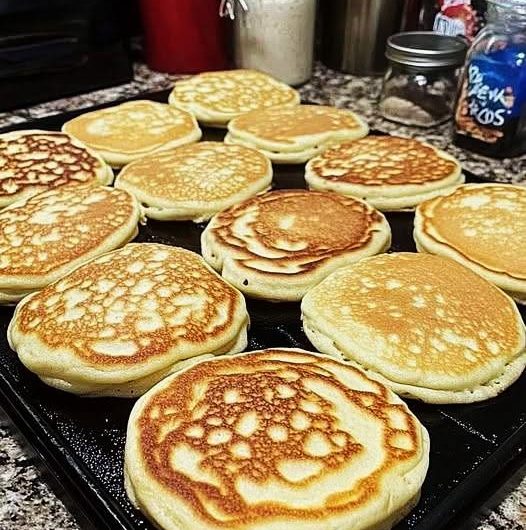
Sourdough pancakes are a wonderful way to bring something special to your breakfast table without making the morning routine complicated. These homemade pancakes combine the mild tang of sourdough discard with a soft, fluffy interior and beautifully golden edges. They are easy to prepare with everyday pantry ingredients, making them an excellent choice for busy weekdays, relaxed weekend breakfasts, and family brunches. Unlike traditional pancakes that rely only on flour and milk for their flavor, sourdough discard adds a subtle depth that makes every bite more interesting. The recipe uses baking powder and baking soda to help the batter rise, producing light pancakes without requiring a long fermentation period. With just 10 minutes of preparation and 10 minutes of cooking, you can have a warm stack ready in approximately 20 minutes.
What Makes Sourdough Discard Pancakes So Special?
Sourdough discard pancakes offer a delicious combination of familiar pancake flavor and the distinctive taste of sourdough. Discard is the portion of starter that is removed during regular sourdough feeding, and it can be used in many recipes instead of being thrown away. In these pancakes, the discard contributes moisture, flavor, and a slightly tangy note that balances the sweetness of the sugar and maple syrup. The finished pancakes are tender, fluffy, and satisfying, with a flavor that pairs well with both sweet and savory toppings. Another advantage is that this recipe does not require you to feed your starter in advance or wait overnight for the batter to ferment. By combining the discard with standard leavening ingredients, you can prepare a fresh homemade breakfast whenever the craving strikes.
Why You Will Love This Easy Pancake Recipe
One of the biggest advantages of this easy sourdough pancake recipe is its simplicity. You do not need special equipment, complicated techniques, or hard-to-find ingredients to achieve excellent results. A mixing bowl, whisk, measuring cups, and a skillet or pancake griddle are enough to get started. The batter comes together quickly, and the pancakes cook in just a few minutes per side. The recipe is also flexible enough to suit different occasions, whether you are preparing breakfast for the family or serving a stack at a weekend brunch. The sourdough discard adds flavor without overwhelming the familiar taste of classic pancakes. Because the recipe uses baking powder and baking soda, the pancakes can become light and airy without a lengthy resting period. Serve them with butter and maple syrup for a traditional breakfast that feels comforting and homemade.
Understanding Sourdough Starter Discard
Sourdough starter discard is the portion of an established sourdough starter that is removed during feeding to maintain a manageable quantity of starter. Rather than wasting it, home bakers often use discard in pancakes, waffles, crackers, muffins, and other baked goods. For this recipe, the discard should be at room temperature, as specified in the ingredient list. This helps it combine more evenly with the milk and egg, making it easier to prepare a consistent batter. The flavor of the discard can vary depending on how frequently the starter is fed and how long it has been sitting between feedings. Some discard tastes mild, while older discard may have a more noticeable sour flavor. Both can contribute character to pancakes, although a strongly acidic discard will produce a more pronounced tang. Always use a starter that is safe and suitable for cooking, and do not use discard showing signs of contamination.
Ingredients That Create Light and Fluffy Pancakes
Each ingredient in this recipe contributes to the finished texture and flavor. All-purpose flour provides the structure that holds the pancakes together, while baking powder and baking soda help create a lighter interior. Granulated sugar adds a gentle sweetness and encourages attractive browning during cooking. Salt balances the flavors so the pancakes do not taste flat. Sourdough discard contributes moisture and its characteristic tang, while room-temperature 2% milk helps create a smooth, pourable batter. The beaten egg adds structure and helps the ingredients bind together. Vegetable oil supplies fat, improving tenderness and helping prevent the pancakes from becoming dry. Together, these ingredients create a dependable pancake batter that is easy to mix and cook. For the best results, measure the ingredients carefully and prepare everything before heating the skillet. Accurate measurements are particularly useful when making pancakes because too much flour or too little liquid can change the batter’s consistency.
How Baking Powder and Baking Soda Help Pancakes Rise
Baking powder and baking soda are important ingredients in this sourdough pancake recipe because they help create a soft, airy texture. Baking powder contains the components needed to produce gas when it becomes active in the batter, while baking soda reacts with acidic ingredients, including sourdough discard. These reactions create bubbles that expand as the pancakes cook, helping them rise and develop a tender interior. Using both leavening agents provides a useful balance of lift and browning. However, the batter should be mixed gently once the wet and dry ingredients come together. Vigorous mixing can develop excess gluten and make the pancakes tougher than desired. It can also knock some of the air out of the batter. For a fluffy result, stir only until the flour is incorporated, even if a few small lumps remain. Avoid letting the mixed batter sit for an unnecessarily long time before cooking, because some of its leavening activity begins as soon as the wet and dry ingredients are combined.
Choosing the Right Flour and Measuring It Correctly
All-purpose flour is the foundation of these homemade sourdough pancakes. It provides enough structure for the pancakes to hold their shape while allowing the inside to remain soft. For consistent results, measure flour using a kitchen scale if one is available. If measuring with cups, stir the flour lightly to loosen it, spoon it into the measuring cup, and level the top without pressing it down. Scooping directly into a packed container can add more flour than the recipe requires, resulting in a thicker batter and denser pancakes. The goal is to maintain the intended balance between flour, milk, sourdough discard, and egg. If the flour is measured correctly, the batter should be thick enough to hold some shape when poured onto the griddle but fluid enough to spread into a round pancake. Resist the temptation to add extra flour immediately if the batter looks slightly thick; first make sure all the ingredients have been combined.
Why Room-Temperature Ingredients Matter
The recipe calls for sourdough discard, 2% milk, and a large egg at room temperature. This detail helps the ingredients combine more smoothly, reducing the temperature difference between the wet components. When cold ingredients are mixed together, the batter may feel less uniform, and cold liquid can affect how quickly the pan returns to its cooking temperature after the batter is added. Room-temperature ingredients are not difficult to prepare. Simply measure the milk and discard ahead of time and allow them to lose their refrigerator chill. The egg can also be brought to room temperature before mixing. Do not leave perishable ingredients sitting out for extended periods. The purpose is to take the chill off, not to warm them significantly. When the wet ingredients are at a similar temperature, they are easier to mix with the dry ingredients, giving you a more even batter and helping the pancakes cook consistently.
Preparing the Dry Ingredients Before Mixing
Begin by choosing a large mixing bowl that gives you enough room to stir without spilling flour over the sides. Add the all-purpose flour, baking powder, baking soda, granulated sugar, and salt. Whisk the ingredients thoroughly so the leavening agents and salt are distributed throughout the flour. This step is worth doing carefully because unevenly distributed baking powder or baking soda can cause inconsistent rising. Some pancakes may become puffier than others if the dry ingredients are not mixed well. Whisking also breaks up small lumps in the flour and makes it easier to incorporate the wet ingredients later. Keep the whisk moving around the entire bowl, reaching the bottom and edges rather than stirring only through the center. Once the dry ingredients look evenly combined, you are ready to add the sourdough discard, milk, beaten egg, and vegetable oil. Preparing the dry mixture first makes the overall process more organized and helps prevent overmixing later.
Mixing the Sourdough Pancake Batter
Once the dry ingredients are combined, add the sourdough discard, room-temperature milk, beaten egg, and vegetable oil. Mix gently until the flour is moistened and the ingredients form a cohesive batter. The mixture does not need to look perfectly smooth, and a few small lumps are completely acceptable. In fact, trying to eliminate every lump often leads to overmixing, which can make pancakes chewy instead of tender. Use a whisk or spatula and stop as soon as the ingredients are combined. The finished batter should be thick but pourable, allowing you to measure out portions easily. If you notice a few streaks of dry flour, fold them in with a couple of gentle strokes. Avoid beating the mixture rapidly or repeatedly scraping it for several minutes. A light touch preserves a better texture and helps the pancakes cook into soft, fluffy rounds. After mixing, move on to heating the skillet so the batter can be cooked while the leavening agents are active.
Getting the Skillet to the Correct Temperature
A properly heated skillet is one of the most important factors in making evenly browned pancakes. Grease a pancake griddle or cast-iron skillet with melted butter or oil, as desired, and place it over medium-low heat. This temperature gives the pancakes enough time to cook through without burning the outside. A pan that is too hot may brown the bottom quickly while leaving the middle undercooked. A pan that is not hot enough may produce pale pancakes that take too long to set. Allow the cooking surface to heat gradually and distribute the grease in a thin layer. If the pan is cast iron, remember that it retains heat well, so small adjustments may be necessary as you cook multiple batches. The first pancake can be used to judge the temperature. If it browns too quickly, lower the heat slightly; if it barely changes color, allow the pan to warm a little longer before adding the next portion.
How Much Batter to Use for Each Pancake
For evenly sized sourdough pancakes, use approximately one-third cup of batter for each pancake. This portion creates a satisfying size while keeping the pancake manageable to flip. Pour the batter onto the prepared griddle, allowing it to spread naturally into a round shape. Avoid spreading it aggressively with a spoon because that can make the pancake thinner than intended. Leave enough room between pancakes for the batter to expand and for your spatula to fit underneath. Depending on the size of your skillet, you may be able to cook several pancakes at once or may need to work in smaller batches. Consistent portions help all the pancakes finish cooking at approximately the same time. They also make the finished stack look more uniform when served. If you are preparing breakfast for several people, cook the pancakes in batches and keep the finished ones warm while you complete the remaining batter.
Knowing When to Flip Your Pancakes
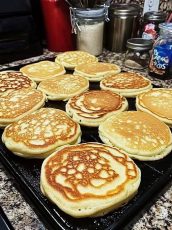
One of the easiest ways to tell when a pancake is ready to flip is to watch the surface. As the pancake cooks, small bubbles begin appearing across the top, and the edges gradually look more set. This usually indicates that the underside has developed enough structure to turn without breaking. Slide a thin spatula beneath the pancake and flip it gently in one smooth movement. Avoid pressing down on the pancake after flipping, because this can push out some of the air that makes it fluffy. If the pancake resists the spatula or the surface still looks very wet, give it a little more time. Cooking temperatures vary between skillets, so the visual signs are more reliable than following a rigid number of seconds. With practice, you will recognize the moment when the bottom is golden and the top is ready. Flipping at the right time helps create an evenly cooked pancake with a tender center.
Cooking the Second Side Until Golden
After flipping, cook the pancake for another one to two minutes, or until the second side is golden brown and the center is cooked through. The second side often cooks more quickly than the first because the skillet is already hot and the pancake has begun to set. Keep the heat at medium-low and avoid turning the temperature up simply to speed up breakfast. A slower, steady cooking process helps the inside finish cooking before the outside becomes too dark. If you are unsure whether a pancake is done, check the center of one pancake from the batch. It should no longer look wet or raw inside. Once cooked, transfer the pancake to a plate and continue with the remaining batter. If the skillet becomes too hot as you work, briefly reduce the heat or move the pan away from the burner. Paying attention to each batch makes it easier to achieve consistently fluffy sourdough pancakes from the first portion to the last.
Serving Sourdough Pancakes With Butter and Maple Syrup
Freshly cooked sourdough pancakes are best served warm, when their centers are soft and their edges are lightly golden. A little butter melts over the surface, adding richness that complements the mild tang of the sourdough discard. Maple syrup is a classic topping because its sweetness balances the subtle acidity of the pancakes without covering up their flavor completely. You can serve the pancakes in a tall stack or arrange them individually on breakfast plates. For a family brunch, place butter and maple syrup on the table so everyone can add the amount they prefer. Fresh fruit can also accompany the pancakes, although it is an optional serving suggestion rather than part of the original ingredient list. If you prefer a simple breakfast, butter and syrup are all you need. Serve the pancakes soon after cooking for the most enjoyable texture, and keep any remaining portions warm while the final batch finishes on the skillet.
Common Mistakes to Avoid When Making Sourdough Pancakes
A few small mistakes can affect the texture of homemade pancakes, but they are easy to prevent. Overmixing is one of the most common problems because it can develop gluten in the flour and make the finished pancakes less tender. Another mistake is using excessive heat, which can burn the outside before the middle has cooked. Adding batter to a cold skillet may also lead to uneven browning and longer cooking times. Incorrectly measuring flour can make the batter too thick, while changing the amount of milk may affect how well the pancakes spread. It is also important to distribute the baking powder and baking soda evenly through the dry ingredients before adding the wet mixture. Finally, avoid pressing the pancakes with a spatula while they cook. Pancakes rise because of gas bubbles in the batter, and pressing them can reduce their light texture. Gentle mixing, controlled heat, and careful flipping are the keys to a successful batch.
How to Keep Pancakes Warm for Breakfast
If you are cooking several batches, keeping the finished pancakes warm helps everyone enjoy breakfast at the same time. Transfer cooked pancakes to an oven-safe plate or baking sheet and keep them in a low-temperature oven until the remaining batter has been used. Avoid using excessive heat, which can dry out the pancakes or make the edges tough. Arrange them in a loose stack or a single layer, depending on how many you are preparing. A single layer helps prevent steam from collecting between the pancakes, while a loose stack can be convenient for a short holding period. Do not cover them too tightly if condensation becomes a problem, because moisture can make the surface damp. The best approach is to cook the pancakes in manageable batches and serve them as soon as possible. This method is particularly helpful for family breakfasts, when different people may be getting ready at different times.
Storing Leftover Sourdough Pancakes
If you have leftover pancakes, allow them to cool before storing them in an airtight container in the refrigerator. Keeping them sealed helps prevent them from drying out and absorbing odors from other foods. For the best quality, refrigerate leftovers promptly rather than leaving them on the counter for several hours. When you are ready to eat them, reheat the pancakes until they are hot throughout. A skillet can restore a little of the original surface texture, while a microwave provides a quick option when convenience matters most. If the pancakes become slightly dry after refrigeration, serving them with butter and maple syrup can make them more enjoyable. Store toppings separately so the pancakes do not become soggy. The exact storage time depends on refrigerator conditions and safe food-handling practices, so use your judgment and discard leftovers that show signs of spoilage. Freshly made pancakes generally offer the best texture, but careful storage makes it easier to enjoy the remaining portions later.
Freezing Pancakes for a Quick Breakfast
Sourdough pancakes can also be frozen for convenient breakfasts on busy mornings. Let the cooked pancakes cool completely, then arrange them in a single layer on a tray so they can freeze individually. Once firm, transfer them to a freezer-safe bag or container, separating layers with parchment paper if needed. Removing excess air from the packaging helps protect the pancakes from freezer burn and preserve their flavor. Label the container with the date so you can keep track of how long they have been stored. When you want to serve them, reheat the frozen pancakes in a toaster, skillet, or microwave until heated through. A toaster can help restore lightly crisp edges, while the microwave is useful when preparing several pancakes quickly. Freeze the pancakes without butter or syrup, then add those toppings after reheating. This simple preparation makes homemade sourdough pancakes a practical option for meal planning and quick weekday breakfasts.
Easy Ways to Enjoy These Pancakes
The original recipe is delicious with butter and maple syrup, but there are several ways to serve the pancakes without changing the batter itself. Fresh berries, sliced bananas, or chopped seasonal fruit can add color and freshness to the plate. For a richer breakfast, serve them with yogurt on the side or alongside eggs prepared separately. If you enjoy a less sweet meal, use a modest amount of maple syrup and allow the sourdough flavor to stand out. A family brunch can include several topping choices so everyone can customize their stack. You can also prepare a simple pancake station with butter, syrup, and fruit arranged in separate bowls. These ideas are serving suggestions only; the ingredients and core preparation method remain the same. Whether you keep the presentation classic or add a few extras, the light texture and gentle sourdough flavor make these pancakes suitable for many breakfast occasions.
Can You Make Sourdough Pancakes Without Active Starter?
Yes, this recipe is designed for sourdough discard, so you do not need a freshly fed starter at peak activity. The baking powder and baking soda provide the main lift during cooking, while the discard contributes flavor and moisture. This makes the recipe especially convenient for people who bake sourdough bread regularly and want to use the excess starter in another way. Discard can come from a starter that has not recently been fed, provided it has been stored and handled safely. The age and acidity of the discard may influence the flavor, so the pancakes can taste slightly different from one batch to another. If your starter has been refrigerated, bring the measured portion to room temperature before mixing, as the recipe specifies. Do not confuse normal sourdough acidity with signs of contamination. If the starter has visible mold or unusual pink or orange discoloration, discard it rather than using it in food.
Frequently Asked Questions About Sourdough Pancakes
Why are my sourdough pancakes not fluffy? Dense pancakes often result from overmixing, incorrectly measured flour, old leavening agents, or a skillet that is too cool. Mix the batter only until the ingredients are combined and make sure the baking powder and baking soda are fresh. Can I use discard straight from the refrigerator? The recipe specifies room-temperature discard, so allowing it to lose its chill before mixing is the best approach. Why does the batter contain both baking powder and baking soda? They contribute leavening in different ways and help produce a light texture. Should pancake batter be completely smooth? No. A few small lumps are normal and preferable to excessive mixing. When should I flip a pancake? Wait until bubbles appear across the top and the edges begin to look set. Can I prepare the batter in advance? For the most reliable rise and texture, mix the batter shortly before cooking rather than storing it for a long period.
Recipe Notes for Reliable Results
For the best homemade sourdough pancakes, keep the original ingredient quantities unchanged and focus on technique. Measure the flour carefully, whisk the dry ingredients thoroughly, and use room-temperature discard, milk, and egg. Once the wet ingredients have been added, stir gently and stop as soon as the batter comes together. Small lumps are acceptable. Grease the skillet lightly with melted butter or oil and cook over medium-low heat so the pancakes have time to cook through. Use approximately one-third cup of batter per pancake and wait for bubbles to appear before flipping. Cook the second side for one to two minutes, checking that the center is fully cooked and both sides are golden. Serve immediately with butter and maple syrup. If preparing multiple batches, keep the finished pancakes warm without allowing them to dry out. These simple details help you achieve a consistent result without making the recipe more complicated.
Sourdough Pancakes Recipe
Description: These fluffy sourdough discard pancakes are tender inside, golden on the outside, and lightly tangy in flavor. Made with simple pantry ingredients, they are ready in about 20 minutes and taste delicious served warm with butter and maple syrup.
Preparation & Cooking Duration
- Preparation time: 10 minutes
- Cooking time: 10 minutes
- Total time: 20 minutes
Serving: Makes approximately 6 pancakes when using one-third cup of batter per pancake. The exact yield may vary depending on the size of each pancake.
Ingredients
- 2 cups all-purpose flour
- 2 teaspoons baking powder
- 1 teaspoon baking soda
- 2 tablespoons granulated sugar
- 1 teaspoon salt
- 1 cup sourdough discard, at room temperature
- 1 1/2 cups 2% milk, at room temperature
- 1 large egg, beaten and at room temperature
- 2 tablespoons vegetable oil
Step-by-Step Instructions
- Combine the dry ingredients. Add the all-purpose flour, baking powder, baking soda, granulated sugar, and salt to a large bowl. Whisk until evenly distributed.
- Add the wet ingredients. Add the sourdough discard, room-temperature milk, beaten egg, and vegetable oil to the bowl.
- Mix the batter gently. Stir until the ingredients are just combined. A few small lumps are fine; avoid overmixing to keep the pancakes tender.
- Prepare the skillet. Lightly grease a pancake griddle or cast-iron skillet with melted butter or oil. Heat over medium-low heat.
- Portion the batter. Pour approximately one-third cup of batter onto the heated cooking surface for each pancake, leaving enough space between portions.
- Cook the first side. Let each pancake cook until bubbles begin to appear on the surface and the edges start to look set.
- Flip carefully. Use a spatula to turn the pancakes without pressing down on them.
- Finish cooking. Cook the second side for another one to two minutes, or until golden brown and cooked through.
- Serve warm. Transfer the pancakes to plates and serve with butter and maple syrup.
Nutritional Information
The exact nutritional values depend on ingredient brands, pancake size, cooking fat, and toppings. The following is an approximate estimate per pancake, assuming a batch of six pancakes and excluding additional butter or maple syrup.
- Calories: approximately 220–250
- Carbohydrates: approximately 32–36 g
- Protein: approximately 6–8 g
- Fat: approximately 7–9 g
- Sugar: approximately 4–6 g
- Sodium: varies according to the salt and other ingredients used
Recipe Notes
- Use room-temperature sourdough discard, milk, and egg for easier mixing.
- Do not overmix the batter; a few lumps are normal.
- Maintain medium-low heat to help the centers cook without burning the outside.
- Flip when bubbles appear and the edges begin to set.
- Serve immediately with butter and maple syrup for the best flavor and texture.
- Refrigerate or freeze cooled leftovers in airtight packaging and reheat thoroughly before serving.