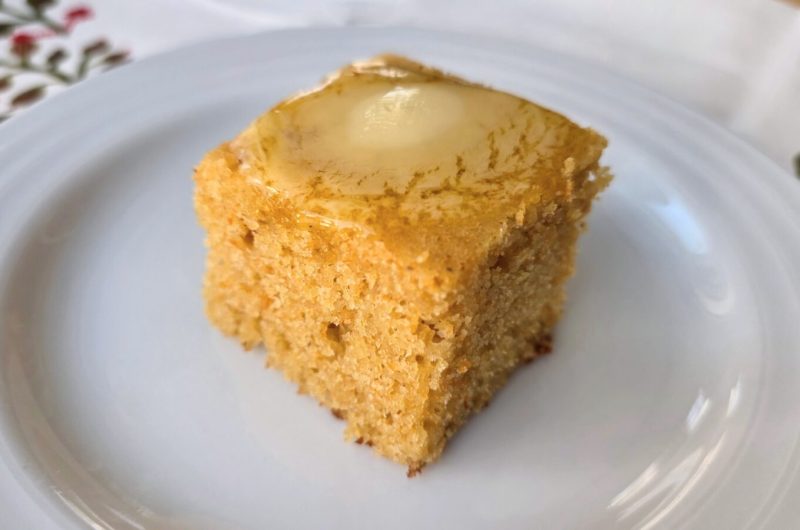
Sourdough cornbread is a delicious twist on traditional homemade cornbread, combining the familiar sweetness of cornmeal with the gentle tang of sourdough fermentation. The result is a golden-brown bake with a tender crumb, a soft center, and a rich, slightly nutty flavor. Unlike many quick cornbread recipes that mix all the ingredients together immediately before baking, this sourdough cornbread recipe begins with a flour ferment. Yellow dent corn flour, soft white wheat flour, milk, and sourdough starter are combined ahead of time and allowed to rest for several hours or overnight. This extra step develops the flavor of the grains and creates an aerated mixture that contributes to the light texture of the finished cornbread. Whether you serve it with a comforting bowl of soup, a hearty stew, roasted vegetables, or a simple pat of butter, this homemade sourdough cornbread makes a satisfying addition to the table.
2. Why You Should Try This Homemade Sourdough Cornbread Recipe
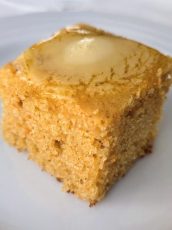
There are plenty of reasons to add sourdough cornbread to your collection of favorite homemade bread recipes. First, it offers a wonderful balance of flavors. The corn flour provides a naturally sweet, earthy taste, while the sourdough starter adds complexity without necessarily making the bread strongly sour. Sugar balances the grain flavors, and milk helps create a tender texture. Eggs contribute structure, while olive oil or avocado oil adds moisture and richness. Another advantage is that much of the flour is fermented before the final batter is prepared, giving you an opportunity to develop flavor without relying on a long final baking process. Once the ferment is ready, the remaining preparation is straightforward, and the cornbread takes approximately 17 minutes to bake in a properly preheated oven. This makes it an appealing option for home cooks who enjoy traditional flavors with a distinctive sourdough character.
3. Understanding the Flavor of Sourdough Cornbread
The flavor of sourdough cornbread comes from the combination of corn flour, wheat flour, and a fermented sourdough mixture. Yellow dent corn flour provides the recognizable taste associated with classic cornbread, including earthy notes and a gentle natural sweetness. Soft white wheat flour adds a mild flavor that complements the corn rather than overpowering it. As the flour, milk, and sourdough starter rest together, fermentation helps develop a more rounded taste. Depending on the activity of your starter and the length of the ferment, the finished cornbread may have a subtle tang or a more noticeable sourdough flavor. The sugar in the final batter helps balance that tang, while salt keeps the sweetness from becoming overwhelming. This combination produces a versatile cornbread that can be served alongside savory meals or enjoyed as a lightly sweet snack with butter and honey.
4. How Fermentation Improves the Texture
One of the most important features of this sourdough cornbread recipe is the fermentation stage. Instead of adding the flour directly to the final batter, you combine the corn flour, wheat flour, milk, and sourdough starter in advance. During the resting period, the mixture becomes more aerated as fermentation progresses. The exact amount of expansion depends on the strength of your starter, the temperature of the milk, and the surrounding environment. A well-fermented mixture may look puffier and contain small air pockets throughout. These changes help prepare the batter for a tender, lighter finished texture. Fermentation does not replace the baking powder and baking soda in this recipe; those ingredients still help the cornbread rise during baking. The combination of a fermented flour mixture and chemical leavening gives the recipe its distinctive texture while preserving the familiar character of homemade cornbread.
5. Choosing the Right Corn Flour
Yellow dent corn flour is the main ingredient responsible for the classic color and flavor of this homemade cornbread. It gives the bake its warm golden appearance and a rich corn taste that pairs beautifully with the mild tang of sourdough. The recipe uses 150 grams of yellow dent corn flour, which is approximately 1 cup plus 2 tablespoons according to the supplied measurements. For the most consistent results, weighing the flour is a helpful approach because different brands and milling styles can produce different volumes when measured by cups. Corn flour can also vary in texture, so choose a product appropriate for baking rather than assuming every corn-based flour will behave identically. The flour is mixed with wheat flour, milk, and sourdough starter during the initial fermentation stage. Giving this mixture enough time to rest helps develop the grain flavor and prepares the base for the remaining ingredients.
6. Why Soft White Wheat Flour Works Well
Soft white wheat flour complements yellow dent corn flour by contributing structure without creating an overly heavy crumb. The recipe calls for 100 grams, or approximately three-quarters of a cup, of soft white wheat flour. Pima club wheat flour is offered as an alternative in the original ingredient list. Both options are intended to work as the wheat component of the ferment. This flour provides gluten-forming proteins that help give the cornbread structure, while the corn flour contributes its distinctive flavor and texture. Because the wheat flour is fermented alongside the corn flour, it becomes part of the mixture before the eggs, oil, sugar, and leavening agents are added. For reliable results, measure the flour carefully and avoid adding extra flour simply because the mixture looks different from ordinary bread dough. The consistency of a flour ferment can vary with the flour’s absorption and the temperature of the ingredients.
7. The Role of an Active Sourdough Starter
A sourdough starter is essential to the flavor and fermentation process of this recipe. The ingredient list calls for 80 grams of sourdough starter, approximately one-quarter cup. A starter that is active and showing signs of fermentation can help the flour mixture become airy and develop its characteristic sourdough flavor. If your starter has recently been fed and is near its peak, the ferment may progress more quickly in a warm environment. A starter that is less active, or milk that is cooler, may require a longer resting period. Rather than depending only on a fixed number of hours, observe the mixture for signs of expansion, puffiness, and internal aeration. These visual cues are more useful than expecting the mixture to double by a particular time. The starter contributes flavor and fermentation, while the baking powder and baking soda provide additional lift during the final bake.
8. Why Milk Is Included in the Flour Ferment
Milk is used in the first stage of this recipe rather than being added entirely during the final mixing process. The specified amount is 230 grams, approximately one cup. It hydrates the corn flour and wheat flour, allowing them to combine with the sourdough starter into a thick, fermenting mixture. Milk also contributes flavor and helps create a softer texture in the finished cornbread. Since the milk is part of the ferment, its temperature can influence how quickly the mixture develops. Cooler milk can help slow the process and is useful when preparing the mixture overnight, while warmer milk can encourage faster activity when the starter is ready to ferment. Avoid using milk that is excessively hot, as high temperatures can harm the microorganisms in the starter. Measure the milk carefully and combine it thoroughly with the flour and starter so the mixture can ferment evenly.
9. Sugar, Salt, and Leavening for Balanced Cornbread
Once the flour ferment is ready, sugar, salt, baking powder, and baking soda are added to create the final batter. The recipe contains 100 grams of sugar, one teaspoon of salt, one and a half teaspoons of baking powder, and half a teaspoon of baking soda. Sugar adds sweetness and helps balance the tangy flavor developed during fermentation. Salt enhances the overall taste of the corn and wheat, preventing the finished cornbread from tasting flat. Baking powder supplies leavening, while baking soda contributes additional lift and helps balance acidity in the fermented mixture. Measuring these ingredients accurately is important because too much leavening can affect flavor and texture, while too little may result in a denser bake. Whisking the dry ingredients together before adding the eggs and oil helps distribute the leavening evenly, making it easier to achieve a consistent result throughout the pan.
10. Eggs and Oil for a Tender Crumb
Eggs and oil help transform the fermented flour mixture into a smooth, bakeable cornbread batter. This recipe uses two eggs and 65 grams of light olive oil or avocado oil, listed as approximately one-third of a cup. Eggs provide structure and help bind the ingredients together as the cornbread bakes. They also contribute richness and support the development of a tender interior. Oil adds moisture and helps keep the crumb soft after baking. Light olive oil is a suitable choice when you want a mild flavor, while avocado oil can also work well without introducing a strong taste. Beat the eggs into the dry ingredients before adding the oil and ferment, following the recipe’s mixing sequence. Thorough mixing helps distribute the ingredients, but once the final batter comes together, avoid unnecessary prolonged beating. The goal is a cohesive batter that can be transferred easily into the prepared pan.
11. Preparing the Flour Ferment in Advance
The flour ferment is the first major step in making sourdough cornbread, and it is worth allowing enough time for it to develop. Combine the yellow dent corn flour, soft white wheat flour, sourdough starter, and milk in a bowl, mixing until the ingredients are evenly incorporated. Cover the bowl and leave it to ferment for several hours or overnight. A warmer environment and an active starter may produce a ferment in approximately three to five hours, while cooler conditions or a less active starter may require a longer period. The mixture does not need to reach a precise height. Instead, look for visible expansion, a puffier appearance, and small air pockets within the mixture. Planning this stage ahead makes it easier to prepare the final batter when you are ready to bake. The ferment should look active rather than completely unchanged before you proceed.
12. How to Tell When the Ferment Is Ready
Knowing when the flour ferment is ready is more useful than relying entirely on the clock. Fermentation times can vary because sourdough starters are living cultures influenced by temperature, feeding history, and activity. A ferment prepared with warm milk and a vigorous starter may become airy relatively quickly, while one made with cooler milk may develop more slowly overnight. Look for an increase in volume, a softer or puffier appearance, and evidence of small air pockets inside the mixture. These signs indicate that fermentation has been taking place. The recipe does not require a precise rise target, so do not worry if the mixture does not double. The main objective is to allow the ingredients to ferment and become aerated before the final batter is mixed. If the mixture remains completely unchanged after a reasonable period, check whether your starter is active and whether the environment is warm enough for fermentation.
13. Selecting the Best Baking Pan
This recipe is written for a 9-by-9-inch square baking pan, which produces cornbread that is relatively even in thickness and bakes in about 17 minutes under the specified conditions. You can also use an 8-by-8-inch square pan or a 9-inch round pan, as indicated in the original recipe. Since these alternatives have different surface areas, the batter will be deeper and the cornbread thicker than it would be in the larger square pan. You should therefore expect the baking time to increase by approximately three to five minutes, while still checking the center for doneness. Glass and ceramic baking dishes may also require additional time compared with some metal pans. Greasing the pan before adding the batter helps prevent sticking and makes it easier to remove or serve the finished squares. For a more predictable result, use the recommended pan whenever possible.
14. Preheating the Oven for Even Baking
Preheating the oven to 375°F is an important step in achieving a properly baked sourdough cornbread. An oven that has not reached the correct temperature can change how quickly the batter rises and sets, making the final texture less predictable. Allow the oven to finish preheating before placing the pan inside. While it heats, grease the 9-by-9-inch baking pan and prepare the final batter. Once the batter has been mixed, transfer it to the pan and place it in the oven without an unnecessary delay. The baking powder and baking soda begin reacting after the ingredients are combined, so timely baking helps preserve their leavening effect. Keep the pan on a stable oven rack where heat can circulate around it. Because ovens vary, use the stated 17-minute baking time as a guide rather than an absolute guarantee, and inspect the center before removing the cornbread.
15. Mixing the Final Batter Correctly
After the flour ferment has become airy, prepare the final batter by whisking the sugar, salt, baking powder, and baking soda together in a large bowl. This initial mixing helps distribute the dry ingredients evenly, reducing the risk of pockets of salt or leavening in the finished bake. Beat in the two eggs, then add the oil and mix until combined. Finally, incorporate all of the prepared flour ferment, making sure it is distributed throughout the batter. The mixture should be cohesive enough to transfer into the baking pan. Some variation in thickness is normal because corn flour, wheat flour, and fermentation conditions can affect how much moisture the mixture holds. Follow the ingredient quantities rather than adding extra flour or liquid without a clear reason. Once everything is combined, transfer the batter to the greased pan and proceed directly to baking.
16. Baking Sourdough Cornbread to Golden Perfection
Bake the prepared batter in the preheated 375°F oven for approximately 17 minutes when using the recommended 9-by-9-inch square pan. During baking, the leavening agents help the batter rise, while the eggs and flour set to form the crumb. The surface should develop a lightly golden appearance, and the center should become firm enough to hold its shape. To test doneness, insert a toothpick into the center of the cornbread. The original instructions suggest that it should come out with a few bits attached rather than wet batter. This is a useful distinction because a completely wet toothpick indicates that the middle needs more time, while a few moist crumbs can be consistent with a tender result. If additional baking is necessary, continue in short intervals and check again. Avoid relying on surface color alone, since the middle may need more time than the edges.
17. How to Keep Cornbread Moist and Fluffy
A soft, fluffy texture begins with accurate measurements, a properly aerated ferment, and careful mixing. Weighing the flour and other ingredients helps reduce the variation that can occur when measuring by volume. Allowing the ferment to develop before preparing the final batter gives the flour mixture time to become aerated, while eggs and oil help support a tender crumb. It is equally important to bake the cornbread until it is done without leaving it in the oven much longer than necessary. Overbaking can dry out the interior, particularly when using a thinner metal pan that heats quickly. The recommended 17-minute baking time is a helpful starting point, but the actual time may differ from one oven to another. Once the cornbread is baked, let it rest briefly before cutting so the crumb can settle. Serve it warm for a soft texture and a rich corn flavor.
18. The Best Ways to Serve Sourdough Cornbread
Freshly baked sourdough cornbread is delicious on its own, but a few simple accompaniments can make it even more enjoyable. Butter is a classic choice because it melts into the warm crumb, adding richness without overpowering the corn flavor. Honey provides extra sweetness and complements the gentle tang of the sourdough. For savory meals, serve the cornbread alongside chili, vegetable soup, bean stew, roasted vegetables, or a hearty casserole. Its mild sweetness and tender texture work particularly well with dishes that have bold seasonings or a rich sauce. You can also offer it as part of a family-style dinner, cutting the bake into nine to twelve squares so everyone can take a portion. If you prefer a simple snack, enjoy a square while it is still slightly warm. The combination of fermented grains and golden corn flavor makes this cornbread suitable for many occasions.
19. Easy Ways to Plan the Recipe Around Your Schedule
Because the flour ferment can be prepared in advance, sourdough cornbread fits easily into a flexible cooking routine. If you want to bake in the morning, you can combine the flour, milk, and starter the night before and allow the mixture to ferment under cooler conditions. If you plan to serve cornbread with dinner, you may prefer to begin several hours beforehand using warmer milk and an active starter. The precise timing will depend on your kitchen temperature and the condition of your starter, so allow some flexibility rather than planning around an exact hour. Once the ferment is ready, the remaining preparation is relatively quick: combine the final ingredients, transfer the batter to the pan, and bake. Organizing the process this way separates the fermentation stage from the final mixing and baking, making the recipe easier to fit into a busy day without rushing the first step.
20. Common Mistakes to Avoid When Making Sourdough Cornbread
A few simple precautions can help you get better results with this homemade sourdough cornbread. One common mistake is using a starter that has little fermentation activity and expecting the flour mixture to become aerated quickly. If the starter is weak, the ferment may take longer, so observe its appearance before proceeding. Another mistake is assuming the ferment must double in size; this recipe relies on signs of expansion and internal aeration rather than a fixed rise target. Measuring the baking powder and baking soda inaccurately can also affect flavor and texture, so use the specified quantities. Finally, do not overlook the size and material of the baking pan. A smaller pan creates a thicker bake and usually requires additional time, while glass or ceramic pans may bake differently from metal ones. Checking the center with a toothpick is more reliable than judging doneness solely by the edges or surface color.
21. Notes for Ingredient Substitutions and Equipment
The ingredient choices in this recipe are specific to the intended flavor and texture, so it is best to follow the original quantities when making the cornbread. The listed wheat flour options are soft white wheat flour or Pima club wheat flour, and the oil options are light olive oil or avocado oil. These are the alternatives provided in the recipe itself. The recommended pan is a 9-by-9-inch square pan, although an 8-by-8-inch square pan or a 9-inch round pan can also be used with a longer baking time. If you choose a different pan, pay attention to the thickness of the batter and test the center before removing it from the oven. For consistent results, a kitchen scale is useful when measuring the flour, milk, and starter in grams. A mixing bowl, whisk, and suitable oven-safe baking pan are the main tools needed to prepare this recipe.
22. Frequently Asked Questions About Sourdough Cornbread
Can I prepare the flour ferment overnight? Yes. The recipe allows the flour, milk, and starter mixture to ferment for several hours or overnight. Cooler milk and a less active starter can help slow the process, while warmer milk and a starter near its peak may shorten it. Check the mixture for expansion, puffiness, and internal aeration before preparing the final batter.
Does sourdough cornbread taste very sour? Not necessarily. The flavor depends on the starter and fermentation time. Corn flour, sugar, and milk contribute flavors that balance the sourdough character, so the finished cornbread can have a mild tang rather than a strong sour taste.
Can I use a different pan? Yes. An 8-by-8-inch square pan or a 9-inch round pan can be used, but the cornbread will be thicker. The original instructions recommend adding approximately three to five minutes to the baking time and checking the center for doneness.
How do I know when the cornbread is ready? Insert a toothpick into the center. It should come out with a few bits attached rather than wet batter. If the center still looks underbaked, return the pan to the oven for a short additional interval.
23. Nutritional Considerations and Serving Size
This sourdough cornbread recipe makes approximately nine to twelve servings, with one square counted as a serving. Its ingredients include corn flour, wheat flour, milk, sourdough starter, sugar, eggs, and oil. Together, these provide carbohydrates, some protein, fat, and energy. The exact nutritional content of each square will depend on the brands and types of ingredients used, the precise size of each portion, and whether the bake is divided into nine, ten, or twelve pieces. The source recipe does not provide verified nutrition figures, so it would be misleading to give exact calories, carbohydrates, protein, or fat values without calculating them from the specific ingredients. If you need nutritional information for dietary tracking, use the measured ingredient quantities in a reliable nutrition calculator and divide the total by the number of portions you cut. Butter and honey served alongside the cornbread should be counted separately.
24. Storing and Enjoying Leftover Cornbread
For the best texture, enjoy sourdough cornbread while it is fresh and slightly warm. If you have leftovers, allow the cornbread to cool before placing it in a suitable airtight container. Keeping it covered helps limit moisture loss and protects it from picking up other food odors. Because the recipe contains milk and eggs, handle leftovers carefully and refrigerate them rather than leaving them at room temperature for extended periods. When you want to serve a piece again, warm it gently until the center is comfortable to eat. A brief warming period can soften the crumb and bring back some of the freshly baked aroma. If you are preparing the recipe for a gathering, cutting the cornbread into even squares makes it easier to serve and portion. For the most dependable storage period, follow food-safety guidance appropriate for cooked foods containing dairy and eggs.
25. Why This Sourdough Cornbread Belongs in Your Recipe Collection
This homemade sourdough cornbread brings together the familiar comfort of traditional corn bread and the deeper flavor that comes from a fermented flour mixture. The recipe uses a manageable list of ingredients, straightforward mixing instructions, and a relatively short baking time once the ferment is ready. Its golden color, tender crumb, and balance of sweet corn flavor with mild sourdough tang make it a useful accompaniment for everyday meals and special gatherings alike. The advance fermentation step requires a little planning, but it does not demand complicated equipment or advanced baking skills. By paying attention to your starter’s activity, allowing the mixture to become aerated, measuring ingredients carefully, and checking the center for doneness, you can produce a satisfying batch of cornbread with a distinctive homemade character. Serve it with butter and honey for a simple treat or alongside a savory main course for a comforting addition to the meal.
Sourdough Cornbread
Description: A tender, golden-brown sourdough cornbread made with yellow dent corn flour, wheat flour, milk, and sourdough starter. Fermenting the flour mixture before baking develops a deeper grain flavor and helps create a light, fluffy texture. Serve warm with butter and honey, or pair it with soups, stews, and other savory meals.
Preparation & Cooking Duration
- Preparation time: 19 minutes
- Baking time: 17 minutes
- Fermentation time: 3–5 hours or overnight
- Total time: Approximately 4–6 hours or overnight, depending on fermentation conditions
Serving: 9–12 servings, with one square per serving.
Ingredients
For the flour ferment
- 150 g yellow dent corn flour (1 cup + 2 tablespoons)
- 100 g soft white wheat flour or Pima club wheat flour (¾ cup)
- 80 g sourdough starter (¼ cup)
- 230 g milk (1 cup)
For the final batter
- 100 g sugar (½ cup)
- 1 teaspoon salt (5 g)
- 1½ teaspoons baking powder (6 g)
- ½ teaspoon baking soda (2 g)
- 2 eggs
- 65 g light olive oil or avocado oil (⅓ cup)
- All of the prepared flour ferment
Step-by-Step Instructions
1. Prepare the flour ferment. Combine the yellow dent corn flour, soft white wheat flour or Pima club wheat flour, sourdough starter, and milk in a bowl. Mix until evenly combined.
2. Cover and ferment. Cover the bowl and let the mixture rest for several hours or overnight. Depending on the temperature and starter activity, it may take approximately 3–5 hours or longer. Look for expansion, puffiness, and internal aeration rather than a precise rise.
3. Preheat the oven. Heat the oven to 375°F. Grease a 9-by-9-inch square baking pan.
4. Combine the dry ingredients. In a large bowl, whisk together the sugar, salt, baking powder, and baking soda until evenly distributed.
5. Add the eggs. Beat the two eggs into the dry mixture until incorporated.
6. Mix in the oil. Add the light olive oil or avocado oil and stir until combined.
7. Incorporate the ferment. Add all of the prepared flour ferment to the bowl. Mix until the ingredients form a consistent batter.
8. Fill the pan. Transfer the batter into the greased baking pan and spread it evenly.
9. Bake the cornbread. Bake at 375°F for approximately 17 minutes. If using an 8-by-8-inch square pan or a 9-inch round pan, allow approximately 3–5 additional minutes.
10. Check for doneness. Insert a toothpick into the center. It should come out with a few bits attached rather than wet batter. Continue baking briefly if the center is still underdone.
11. Serve warm. Allow the cornbread to rest briefly, cut into squares, and serve with butter and honey if desired.
Notes
- The flour ferment can be prepared overnight with cooler milk or during the day with warmer milk and an active starter.
- Fermentation time varies with starter activity and room temperature. Look for puffiness and air pockets rather than expecting the mixture to double.
- The recipe is designed for a 9-by-9-inch square pan. Smaller pans create thicker cornbread and may require more baking time.
- Glass and ceramic baking pans may take longer than metal pans.
- Weighing ingredients in grams can improve consistency.
- Store leftover cornbread in an airtight container in the refrigerator and reheat gently before serving.
Nutritional Information
The original recipe does not provide verified nutritional values. Calories, carbohydrates, protein, fat, and other nutrients will depend on the ingredients used and whether the finished cornbread is divided into nine or twelve servings. For accurate values, calculate the nutrition from the measured ingredients using a reliable nutrition calculator and divide the total by the number of portions. Any butter or honey served alongside the cornbread should be counted separately.