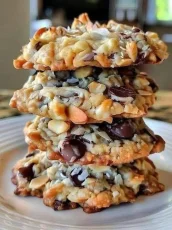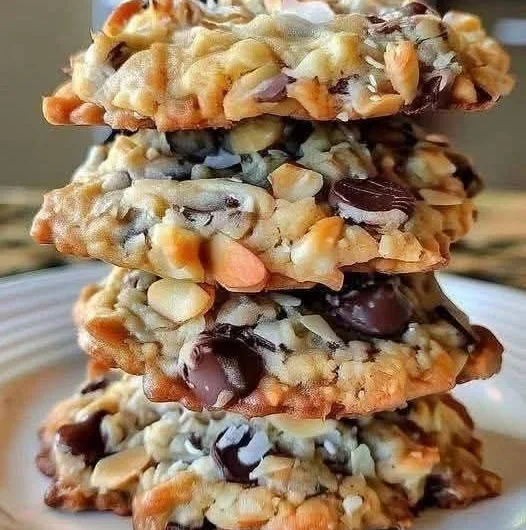
Gluten-free sourdough almond coconut chocolate chip cookies are a wonderful choice for anyone who loves homemade cookies with a soft center, lightly crisp edges, and plenty of rich chocolate. Made with gluten-free sourdough discard and superfine blanched almond flour, these cookies combine the nutty taste of almonds with the natural sweetness of shredded coconut. Every bite offers a satisfying mix of chewy cookie dough, crunchy almond notes, and melted chocolate. Brown sugar helps create a soft texture, while granulated sugar contributes to the delicate crispness around the edges. Whether you are baking for an afternoon snack, a family gathering, a lunchbox treat, or a relaxing cup of coffee, these almond coconut chocolate chip cookies bring together simple ingredients to create a memorable homemade dessert.
Why These Gluten-Free Chocolate Chip Cookies Are Special
What makes these gluten-free chocolate chip cookies stand out is their combination of flavor and texture. Almond flour gives the cookies a tender, slightly rich crumb, while shredded coconut adds chewiness and a subtle tropical flavor. Chocolate chips or chopped dark chocolate provide sweet, bittersweet pockets throughout the dough, creating a delicious contrast with the almonds. Gluten-free sourdough discard adds another dimension to the recipe and gives home bakers a practical way to use leftover starter. Unlike traditional cookies made with wheat flour, this recipe relies on almond flour for its structure, so the finished cookies have their own distinctive texture. The result is a rustic, bakery-style cookie that feels satisfying without requiring complicated baking techniques or hard-to-find ingredients.
An Easy Way to Use Gluten-Free Sourdough Discard
Maintaining a gluten-free sourdough starter can leave you with extra discard whenever you feed it. Instead of throwing that discard away, you can use it in sweet recipes such as cookies, muffins, pancakes, and other baked treats. These sourdough discard chocolate chip cookies make that process especially enjoyable because the discard becomes part of a rich, flavorful dough. The starter contributes moisture and may add a subtle fermented note, depending on its age and condition, but the butter, sugars, coconut, and chocolate remain the main flavors. Using discard in cookies is also a convenient way to make your sourdough routine more economical and reduce unnecessary food waste. For this recipe, always use a gluten-free sourdough starter made with certified gluten-free flour, particularly when preparing cookies for someone who must avoid gluten.
What to Expect From the Cookie Texture
These almond flour coconut cookies are designed to be soft and chewy in the middle, with edges that become lightly golden during baking. Because almond flour contains natural fat and behaves differently from wheat flour, the dough will not necessarily feel identical to a conventional chocolate chip cookie dough. The shredded coconut absorbs some moisture and adds texture, while the egg helps bind the ingredients together. Chocolate chips create rich pockets throughout the cookies, and the combination of brown and white sugar helps balance softness with a little crispness. Allowing the dough to rest and chill gives the ingredients time to settle together, which can make the dough easier to handle and help the cookies bake more evenly. Once baked, the cookies should be allowed to cool before serving so their delicate structure has time to firm up.
Ingredients That Make These Cookies Work
Each ingredient in this gluten-free cookie recipe has a specific purpose, from creating a tender crumb to adding flavor and helping the cookies hold together. Unsalted butter provides richness, while brown sugar and granulated sugar work together to create sweetness and texture. The egg binds the dough, and vanilla extract rounds out the flavor. Gluten-free sourdough discard adds moisture, while superfine blanched almond flour serves as the main flour ingredient. Unsweetened shredded coconut contributes a pleasant chew, and baking soda supports the cookies’ spread and browning. Fine salt balances the sweetness and brings out the chocolate flavor. Chocolate chips or chopped dark chocolate finish the dough with deep cocoa notes. Almond extract is optional, but a small amount can intensify the almond aroma and complement the coconut beautifully.
Choosing the Right Almond Flour
Superfine blanched almond flour is an important ingredient in these almond flour chocolate chip cookies. It is made from almonds with their skins removed, producing a pale, fine-textured flour that works well in delicate baked goods. Its texture helps create cookies that are tender rather than gritty, and its natural fat contributes to a rich mouthfeel. Almond flour is not the same as almond meal, which is generally coarser and may contain almond skins. Although almond meal can work in some recipes, it may change the appearance and texture of these cookies. It is also important not to replace almond flour with a gluten-free all-purpose flour blend without adjusting and retesting the recipe. Different flour blends absorb moisture differently, so a direct substitution may produce cookies that are dry, crumbly, or overly firm.
The Role of Unsweetened Shredded Coconut
Unsweetened shredded coconut adds texture and a mild coconut flavor without introducing extra sugar. It complements the almond flour and gives the cookies a pleasantly chewy bite. Using unsweetened coconut also allows you to control the overall sweetness through the brown sugar, granulated sugar, and chocolate. Sweetened coconut is not an exact substitute because it can make the cookies sweeter and may affect the moisture balance. For the most consistent results, measure the coconut carefully and distribute it evenly throughout the dough. If your coconut has been stored for a long time, check that it smells fresh and has no signs of spoilage. The coconut should blend naturally into the dough rather than form large clumps, ensuring that each cookie has a balanced combination of almond, coconut, and chocolate.
Selecting Chocolate for the Best Flavor
Chocolate is one of the defining ingredients in these homemade sourdough cookies, so choosing a variety you enjoy makes a noticeable difference. Chocolate chips hold their shape relatively well during baking, leaving distinct chocolate pieces throughout the cookie. Chopped dark chocolate, on the other hand, can create a mixture of larger chunks and smaller melted streaks. Dark chocolate is especially suitable because its slightly bitter flavor balances the sweetness of the sugars and the richness of the almond flour. You can use either chocolate chips or chopped dark chocolate, as specified in the ingredients. If gluten avoidance is essential, check the chocolate packaging for gluten-free labeling and possible cross-contact warnings. For an attractive bakery-style finish, a few chocolate pieces can be pressed into the tops of the dough portions before baking.
Preparing the Dough for Even Baking
Good preparation makes the cookie-making process smoother and helps produce more consistent results. Begin by measuring the ingredients accurately, preferably using a kitchen scale for the butter, sugars, and almond flour. Bring the butter to a softened consistency so it can blend easily with the sugars, and allow the egg to reach room temperature. This helps the wet ingredients combine more evenly. Keep the sourdough discard ready before you begin mixing, and check that it has no unusual discoloration or signs of spoilage. Line a baking sheet with parchment paper to reduce sticking and make cleanup easier. Preparing everything before mixing also helps prevent overworking the dough while you search for ingredients. Since almond flour behaves differently from wheat flour, accurate measurements and the recommended resting and chilling periods are particularly useful for achieving a balanced cookie texture.
How to Cream Butter and Sugar Properly
Creaming butter with brown sugar and granulated sugar is the first major step in building the cookie dough. Place the softened butter in a mixing bowl, add both sugars, and beat them together for about two minutes, or until the mixture looks creamy and fluffy. The butter should be soft enough to mix without being melted or oily. If the butter is too cold, it may remain in lumps; if it is melted, the dough may become greasy and the cookies may spread too much. Scrape down the sides of the bowl as needed so the mixture combines evenly. This stage helps distribute the sugar throughout the butter and creates a smooth base for the remaining ingredients. Although the mixture does not need to become extremely pale, it should look cohesive before you move on to the egg and sourdough discard.
Mixing the Wet Ingredients Without Overworking the Dough
Once the butter and sugars are creamy, add the room-temperature egg, vanilla extract, and gluten-free sourdough discard. If you choose to use almond extract, add it at this stage as well. Mix until the ingredients form a smooth, evenly combined mixture, scraping the bowl when necessary. The egg provides binding and contributes to the cookies’ structure, while the vanilla adds familiar dessert flavor. Almond extract is more concentrated, so the specified quarter teaspoon is enough to enhance the almond aroma without overpowering the chocolate and coconut. The sourdough discard may vary slightly in thickness depending on the starter’s hydration, which can affect the feel of the dough. Avoid prolonged mixing once the wet ingredients are combined. The goal is a uniform mixture that can accept the almond flour and coconut without becoming unnecessarily aerated or difficult to handle.
Folding in the Dry Ingredients and Chocolate
Add the superfine blanched almond flour, unsweetened shredded coconut, baking soda, and fine salt to the wet mixture. Stir gently until no obvious dry pockets remain, taking care to scrape the bottom of the bowl where flour can collect. Next, fold in the chocolate chips or chopped dark chocolate so they are distributed throughout the dough. At this stage, the mixture should resemble a thick cookie dough rather than a pourable batter. Almond flour dough can feel softer than traditional wheat-based cookie dough, so avoid adding extra flour simply because it looks different. Allow the dough to rest for 10 minutes as directed. This brief pause helps the ingredients settle and gives the coconut time to absorb some moisture. After resting, check that the dough is manageable enough to portion; chilling it next will make shaping easier and help control spreading during baking.
Why Chilling the Cookie Dough Matters
Chilling is a useful step for these gluten-free almond coconut chocolate chip cookies because it helps the butter firm up before the dough enters the oven. When butter is too warm, cookies can spread rapidly and become thinner than intended. Cooling the dough gives it a firmer consistency, making it easier to scoop into evenly sized portions. It also allows the flavors of the almond, coconut, vanilla, and chocolate to blend together before baking. Transfer the covered bowl to the refrigerator and chill until the dough is firm enough to handle. The exact time can vary with the temperature of your kitchen and the consistency of the starter discard. If the dough feels sticky or soft, give it more time rather than adding extra almond flour. Once chilled, portion the dough consistently so the cookies bake at a similar rate and finish with evenly browned edges.
Baking Cookies With Golden Edges and Soft Centers
For a batch of 16–18 cookies, preheat the oven to 350°F (175°C) and line a baking sheet with parchment paper. Scoop the chilled dough into evenly sized portions, leaving space between them to allow for spreading. Bake for approximately 10–13 minutes, watching for lightly golden edges and centers that look set around the outside but remain slightly soft. Oven performance and cookie size can affect the timing, so begin checking toward the earlier end of the baking range. Avoid waiting until the centers look completely firm, because the cookies will continue to set as they cool. If you are baking multiple trays, rotate them only if your oven has noticeable hot spots and doing so will not disrupt the bake. Remove the cookies carefully and let them rest on the baking sheet before transferring them to a cooling rack.
Cooling and Serving the Cookies
Freshly baked almond coconut chocolate chip cookies are delicate while warm, particularly because almond flour does not provide the same structure as wheat flour. Allow them to rest on the baking sheet for several minutes before moving them. This short cooling period helps the edges firm up and reduces the chance of breaking when lifted. Once they are stable, transfer the cookies to a wire rack to cool further. The chocolate will remain soft for a little while, giving the cookies a rich, freshly baked finish. Serve them slightly warm for a soft center and melty chocolate, or let them cool completely for a more defined texture. These cookies pair well with coffee, tea, or a glass of milk. They also make a lovely addition to a dessert platter alongside fresh fruit or other gluten-free treats.
Practical Notes for Reliable Results
A few simple habits can help make this gluten-free sourdough discard cookie recipe more reliable. First, use a starter made with certified gluten-free flour; a regular wheat-based sourdough starter is not suitable for a gluten-free recipe. Measure the almond flour by weight when possible, because differences in how flour is packed into a measuring cup can affect the dough. Use softened butter rather than melted butter, and give the dough its full resting and chilling time. If the dough becomes very soft while you are shaping it, return it to the refrigerator briefly. For even baking, keep the cookie portions similar in size and avoid crowding the baking sheet. Remember that cookies can appear soft when they first come out of the oven. Let them cool before deciding whether they need more baking, since extending the baking time too much can lead to dry edges and a less chewy center.
Common Mistakes to Avoid When Baking Gluten-Free Cookies
One common mistake is replacing the almond flour with another flour without adjusting the recipe. Almond flour contains more natural fat and behaves differently from many gluten-free flour blends, so substitutions can change the texture significantly. Another mistake is using butter that is too warm, which may cause excessive spreading. Measuring ingredients inaccurately can also make the dough too loose or too dry. Avoid skipping the resting and chilling stages, especially if the dough feels sticky. Baking the cookies for too long is another frequent problem because the centers can firm up considerably as they cool. Finally, check the baking sheet between batches and allow it to cool if it has become very hot. Placing chilled cookie dough onto a hot tray may cause the butter to soften before the cookies reach the oven, affecting their shape.
Storing and Keeping the Cookies Fresh
Proper storage helps preserve the chewy centers and delicate edges of these homemade gluten-free cookies. Once the cookies have cooled completely, place them in an airtight container and keep them at room temperature if you plan to eat them within a few days. Avoid sealing them while they are still warm, because trapped steam can make the edges lose their crispness. If you want to keep them longer, freezing is a convenient option. Arrange fully cooled cookies in a freezer-safe container, separating layers with parchment paper if needed to prevent sticking. Thaw them at room temperature before serving. You can also warm a thawed cookie briefly to soften the chocolate and recreate some of the freshly baked experience. Storage conditions, room temperature, and moisture can affect freshness, so always inspect the cookies before eating.
Frequently Asked Questions About Sourdough Almond Coconut Cookies
Can I use regular sourdough discard? No. This recipe is intended for gluten-free baking, so use discard from a starter maintained with certified gluten-free flour. A wheat-based starter will introduce gluten.
Can I replace almond flour with all-purpose gluten-free flour? Not as a direct, guaranteed substitution. Almond flour is specifically used for its fat content and texture, and a different flour may require a reformulated recipe.
Do I have to add almond extract? No. The almond extract is optional. The almond flour already provides a natural nutty flavor, so the cookies will still be delicious without it.
Can I use chopped chocolate instead of chocolate chips? Yes. The ingredient list allows either chocolate chips or chopped dark chocolate. Chopped chocolate may create a mixture of small melted patches and larger chocolate pieces.
Why should the dough be chilled? Chilling firms the butter, makes the dough easier to portion, and helps reduce excessive spreading during baking.
How do I know when the cookies are done? Look for lightly golden edges and centers that have begun to set but still appear soft. Allow the cookies to rest on the baking sheet after removing them from the oven.
Serving Ideas for Any Occasion
These chewy almond coconut chocolate chip cookies are versatile enough for everyday snacking and special occasions. Serve them with a morning coffee, afternoon tea, or a glass of cold milk for a simple homemade treat. They can also be packed into lunchboxes once completely cooled, provided they are stored safely and protected from crushing. For a dessert platter, arrange them with fresh berries, sliced fruit, or other gluten-free baked goods. Their combination of chocolate, coconut, and almonds makes them suitable for holiday cookie trays, casual gatherings, and homemade edible gifts. If you are preparing a mixed dessert spread for guests, clearly label the cookies as containing almonds and egg, and check the labels on the chocolate and other packaged ingredients. These cookies are gluten-free when made with the specified gluten-free starter and ingredients, but they are not suitable for people with almond or other relevant ingredient allergies.
Gluten-Free Sourdough Almond Coconut Chocolate Chip Cookies
Description
These chewy gluten-free sourdough almond coconut chocolate chip cookies combine rich chocolate, nutty almond flour, and sweet shredded coconut. Made with gluten-free sourdough discard, they have lightly golden edges and soft centers. They are ideal for afternoon snacks, dessert, coffee breaks, and sharing with family and friends.
Preparation & Cooking Duration
- Preparation time: 15 minutes
- Dough resting time: 10 minutes
- Chilling time: Allow approximately 30 minutes, or until firm enough to handle
- Baking time: 10–13 minutes
- Total estimated time: 65–68 minutes, including chilling
- Oven temperature: 350°F (175°C)
Serving
Makes approximately 16–18 cookies.
Ingredients
Cookie Dough
- ½ cup (113 g) unsalted butter, softened
- ¾ cup (150 g) packed brown sugar
- ¼ cup (50 g) granulated sugar
- 1 large egg, at room temperature
- 1 teaspoon vanilla extract
- ½ cup (120 g) gluten-free sourdough discard
- 1½ cups (150 g) superfine blanched almond flour
- ½ cup (45 g) unsweetened shredded coconut
- ½ teaspoon baking soda
- ½ teaspoon fine salt
- ¾ cup (130 g) chocolate chips or chopped dark chocolate
- ¼ teaspoon almond extract (optional)
Step-by-Step Instructions
- Prepare the oven and baking sheet. Preheat the oven to 350°F (175°C). Line a baking sheet with parchment paper and set it aside.
- Cream the butter and sugars. Add the softened butter, brown sugar, and granulated sugar to a mixing bowl. Beat for approximately 2 minutes, until creamy and fluffy.
- Add the wet ingredients. Mix in the egg, vanilla extract, optional almond extract, and gluten-free sourdough discard. Continue mixing until the ingredients are evenly combined.
- Combine the dry ingredients. Add the superfine almond flour, shredded coconut, baking soda, and fine salt. Stir gently until the mixture forms a consistent cookie dough.
- Add the chocolate. Fold the chocolate chips or chopped dark chocolate into the dough, distributing the pieces evenly.
- Rest the dough. Leave the dough at room temperature for 10 minutes to allow the ingredients to settle together.
- Chill before baking. Cover the bowl and refrigerate the dough until it is firm enough to scoop and shape, approximately 30 minutes. Allow additional chilling time if needed.
- Shape the cookies. Divide the chilled dough into 16–18 evenly sized portions. Arrange them on the prepared baking sheet, leaving enough room for spreading.
- Bake until lightly golden. Bake for 10–13 minutes, or until the edges are lightly golden and the centers have begun to set while remaining soft.
- Cool and serve. Let the cookies rest on the baking sheet for several minutes before transferring them to a wire rack. Allow them to cool further before serving.
Notes
- Use a gluten-free sourdough starter made with certified gluten-free flour.
- Superfine blanched almond flour is essential for the intended texture. It is not interchangeable with a gluten-free all-purpose flour blend.
- Almond extract is optional and can be omitted without changing the other ingredients.
- Chilling helps firm the dough and control spreading.
- Cookies continue to set as they cool, so avoid overbaking them.
- Store completely cooled cookies in an airtight container. Freeze for longer storage if desired.
- Check packaged ingredients for gluten-free labeling and possible cross-contact warnings when baking for someone who must avoid gluten.
Nutritional Information
Estimated nutrition per cookie, assuming 18 cookies per batch:
- Calories: 190–220 kcal
- Protein: 4–5 g
- Carbohydrates: 18–22 g
- Fat: 12–15 g
- Saturated fat: 4–6 g
- Fiber: 2–3 g
- Sugar: 11–14 g
- Sodium: 70–110 mg
Nutrition values are estimates, not laboratory-tested figures. Actual values depend on the brands used, the type of chocolate selected, and the final number of cookies.
Add the missing SEO article sectionClarify the total preparation time
Is this conversation helpful so far?