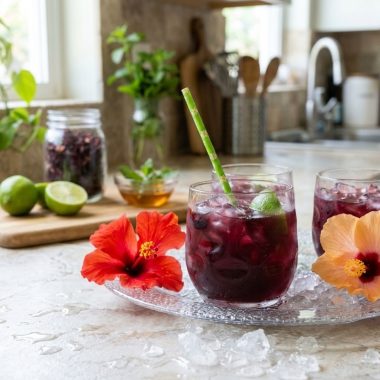
Rosemary tea is a refreshing herbal drink made by steeping fresh rosemary sprigs in hot water. It has a naturally pleasant aroma, a delicate herbal flavor, and a comforting warmth that makes it enjoyable throughout the year. Unlike traditional tea, rosemary tea does not require tea bags, complicated preparation methods, or expensive ingredients. You can prepare this simple homemade herbal tea using just two ingredients: fresh rosemary and water. In only five minutes, you can have a warm cup ready to enjoy. Whether you are looking for a caffeine-free alternative to regular tea, an easy homemade herbal beverage, or a flavorful drink to add to your daily routine, fresh rosemary tea is a wonderful option.
What Makes Homemade Rosemary Tea Special?
One of the best things about homemade rosemary tea is its simplicity. Many herbal drinks require several ingredients, special equipment, or a longer preparation process, but this recipe keeps everything straightforward. Fresh rosemary provides the main flavor, while hot water draws out its distinctive fragrance and natural herbal character. The result is a light, aromatic beverage that can be enjoyed without adding sugar, honey, or other sweeteners. Making rosemary tea at home also allows you to control how strong the flavor becomes. A short simmer produces a milder drink, while a longer simmer creates a more concentrated rosemary taste. This flexibility makes the recipe suitable for people who enjoy both delicate and stronger herbal infusions.
Why You Should Try Fresh Rosemary Tea
Fresh rosemary tea is an excellent choice when you want something warm, simple, and different from your usual cup of tea or coffee. Its refreshing herbal aroma makes each serving feel pleasant, while the preparation takes very little effort. Since the recipe uses only fresh rosemary and water, it is also easy to prepare whenever you have fresh rosemary available in your kitchen. You do not need special tea-making equipment or packaged ingredients. Another advantage is that the recipe makes two servings, allowing you to enjoy one cup immediately and save the remaining portion for later. You can serve the leftover tea warm after reheating it or chill it in the refrigerator for a refreshing glass of iced rosemary tea.
What Does Rosemary Tea Taste Like?
Rosemary tea has a distinctive herbal taste that is slightly woody, earthy, and pleasantly aromatic. Its flavor comes directly from the rosemary sprigs, so the strength of the finished drink depends on how long you simmer them in water. When prepared for a short time, the tea has a light herbal character that is easy to enjoy. Allowing the rosemary to simmer longer creates a stronger, more noticeable flavor. Unlike sweetened fruit teas, rosemary tea is naturally unsweetened and has a clean, herbal finish. Some people enjoy it exactly as prepared, while others prefer to add a little honey or lemon. However, this particular recipe keeps the ingredient list simple so that the natural rosemary flavor remains the main feature.
Ingredients Needed to Make Rosemary Tea
You only need two basic ingredients to prepare this easy rosemary tea recipe. Fresh rosemary sprigs provide the aroma and flavor, while water creates the liquid base for the infusion. Because there are so few ingredients, choosing fresh, good-quality rosemary is especially important. Look for sprigs with healthy green leaves and a noticeable fragrance. Avoid rosemary that appears dried out, discolored, or damaged. Fresh herbs release their aroma during heating, giving the tea its characteristic flavor. The water should be clean and suitable for drinking. There is no need to purchase specialty herbal tea products because fresh rosemary can be used directly from the produce section of a grocery store or from a home herb garden.
Choosing Fresh Rosemary for the Best Flavor
The quality of rosemary can make a noticeable difference in your finished tea. Fresh rosemary should have firm stems, green needle-like leaves, and a pleasant fragrance when gently rubbed between your fingers. If the herb has a weak smell or looks brown and dry, it may not produce the same fresh flavor. Before preparing the tea, inspect the sprigs and remove any damaged leaves. Rinse them gently under cool running water to remove visible dirt or residue, then allow excess water to drain. You do not need to chop the rosemary or separate every leaf from its stem. Keeping the sprigs intact makes preparation easier and allows you to remove them conveniently after simmering.
How to Make Rosemary Tea on the Stove
Preparing rosemary tea on the stovetop is a quick process that requires very little attention. Begin by placing the fresh rosemary sprigs and four cups of water in a saucepan. Set the pan over medium-high heat and bring the water to a boil. Once boiling, reduce the heat so that the liquid gently simmers. Allow the rosemary to infuse for approximately one to five minutes, depending on how strong you prefer your tea. Avoid boiling it aggressively for the entire cooking period because a gentle simmer is sufficient to release the herb’s flavor. When the infusion reaches your preferred strength, remove the saucepan from the heat and take out the rosemary sprigs before serving.
How Long Should You Simmer Rosemary Tea?
The simmering time is one of the most important parts of this recipe because it determines how noticeable the rosemary flavor will be. If you prefer a mild and delicate herbal drink, simmer the sprigs for approximately one minute. For a more developed flavor, allow them to simmer for three minutes. If you enjoy a stronger rosemary infusion, you can extend the simmering time to five minutes. The original recipe uses a flexible cooking range rather than one fixed duration, making it easy to adjust the finished drink according to your taste. Keep in mind that the flavor will become more concentrated as the rosemary remains in the hot water. Removing the sprigs once the tea is ready helps prevent the infusion from becoming stronger than you intended.
The Importance of Removing Rosemary After Simmering
Once the rosemary has infused the water for your preferred amount of time, remove the sprigs before pouring the tea into mugs. A slotted spoon works well because it allows the liquid to drain back into the saucepan while lifting out the rosemary. You should also remove any individual leaves that may have separated from the stems during cooking. This small step helps create a cleaner and more enjoyable drinking experience. Leaving the rosemary in the hot liquid for too long can continue to intensify the flavor, so removing it at the right moment gives you better control over the final result. After straining, the tea is ready to serve immediately.
How to Serve Warm Rosemary Tea
Warm rosemary tea is best served shortly after preparation, when its fragrance is fresh and the liquid is comfortably hot. Divide the strained tea between two mugs, pouring an equal amount into each serving. Since the recipe uses four cups of water, it makes approximately two generous servings. You can enjoy the drink on its own without adding anything because rosemary already provides a naturally aromatic flavor. If you prefer a sweeter beverage, you may add a sweetener separately, although it is not included in the original ingredient list. A simple mug of freshly prepared rosemary tea can be enjoyed in the morning, during an afternoon break, or whenever you want a comforting caffeine-free herbal drink.
Making Iced Rosemary Tea With Leftovers
This recipe is especially convenient because it produces enough tea for two servings. If you are preparing a cup for yourself, you do not have to waste the remaining portion. Instead, transfer the extra strained tea into a clean, airtight container and refrigerate it. Once chilled, it becomes a refreshing iced rosemary tea that can be enjoyed later. Pour the cold infusion into a glass and serve it as a simple herbal beverage. You can also add ice cubes when serving if you prefer a colder drink. Preparing both warm and chilled servings from one batch makes this recipe practical for different seasons. The same two ingredients provide a comforting hot drink and a refreshing cold alternative.
How to Store Homemade Rosemary Tea
Proper storage helps maintain the quality of leftover rosemary tea. After removing the rosemary sprigs, allow the liquid to cool before transferring it to a clean, airtight, food-safe container. Place the container in the refrigerator rather than leaving the tea at room temperature for an extended period. For the best flavor and freshness, enjoy refrigerated leftovers within a short period, preferably within two to three days. Always check the appearance and smell before drinking stored herbal tea. If you notice an unusual odor, visible mold, or other signs of spoilage, discard it. When you want to enjoy the tea warm again, pour the desired amount into a saucepan or microwave-safe mug and reheat it gently. Avoid repeatedly warming and cooling the entire batch.
Can You Adjust the Rosemary Tea Recipe?
Yes, this homemade rosemary tea recipe is easy to adjust depending on how many people you are serving. The original measurements make approximately two servings, but you can reduce the ingredients proportionally if you only need one cup. Likewise, the recipe can be doubled or tripled when you want to prepare a larger quantity. Maintaining the original ingredient ratio helps preserve the intended flavor. You can also adjust the simmering time without changing the ingredients. A shorter infusion creates a lighter herbal drink, while a longer simmer produces a more pronounced rosemary taste. These simple adjustments make the recipe flexible enough for individual servings, family use, or preparing a batch to enjoy throughout the day.
Is Rosemary Tea Caffeine-Free?
Rosemary tea prepared using only fresh rosemary and water is naturally caffeine-free because neither ingredient contains caffeine. This makes it a suitable alternative for people who prefer to avoid caffeinated beverages. Unlike black tea, green tea, or coffee, this herbal infusion does not rely on tea leaves or coffee beans. You can enjoy it in the morning, afternoon, or evening according to your personal preference. Its simple preparation also makes it a useful option when you want a warm beverage without preparing a traditional cup of tea. However, caffeine-free does not automatically mean that a drink is appropriate for everyone in every quantity. People who are pregnant, taking medication, or managing a medical condition should seek professional advice before consuming concentrated herbal preparations regularly.
Rosemary Tea and Its Natural Herbal Aroma
Rosemary is a well-known culinary herb often used to season vegetables, meat, potatoes, soups, and other savory dishes. Its fragrance is distinctive, with a fresh, woody character that becomes noticeable when the leaves are warmed. When rosemary is simmered in water, some of its aromatic compounds are released into the liquid, creating the recognizable smell and taste associated with rosemary tea. This is what makes the drink different from ordinary hot water or conventional tea. The infusion offers a simple way to enjoy the herb in beverage form without needing additional ingredients. Its natural aroma is one of the main reasons people enjoy preparing rosemary tea at home, especially when they want something uncomplicated and flavorful.
Common Mistakes to Avoid When Making Rosemary Tea
Although this recipe is simple, a few small mistakes can affect the finished drink. One common mistake is using rosemary that is old, damaged, or lacking fragrance. Fresh herbs generally provide a better aroma and flavor. Another mistake is simmering the rosemary for longer than necessary when you prefer a mild infusion. Since the recipe allows between one and five minutes of simmering, you should choose a duration that matches your taste. Forgetting to remove loose rosemary leaves is another issue because they can remain in the finished cups. Finally, avoid storing leftover tea in an uncovered container. Straining the infusion properly and refrigerating leftovers in an airtight container will help you enjoy a cleaner and fresher beverage.
What Makes This Rosemary Tea Recipe Beginner-Friendly?
This rosemary tea recipe is ideal for beginners because it involves only a saucepan, a spoon, and two simple ingredients. There are no complicated preparation techniques, special measurements beyond the basic quantities, or advanced cooking skills required. Even someone who has never prepared homemade herbal tea can follow the instructions easily. The process consists of combining the ingredients, bringing the water to a boil, reducing the heat, simmering briefly, and removing the rosemary. The entire cooking process takes approximately four minutes after one minute of preparation. Because the flavor can be adjusted by changing the simmering time, beginners can experiment with a mild or stronger infusion without changing the original recipe. It is a practical introduction to making fresh herbal beverages at home.
When Is the Best Time to Enjoy Rosemary Tea?
There is no single time of day when you must enjoy rosemary tea. Its warm and aromatic character makes it suitable for a morning beverage, an afternoon refreshment, or an evening drink. Some people enjoy preparing it as an alternative to their usual caffeinated tea, while others prefer it as a simple homemade herbal infusion after meals. During cooler weather, a freshly prepared warm cup can be especially comforting. In warmer months, the leftover tea can be refrigerated and served cold. Since the recipe is quick to prepare, you can make a fresh batch whenever you want. Choose a serving temperature and strength that you enjoy rather than following a strict schedule.
Easy Ways to Customize Your Rosemary Tea
Although the original recipe contains only rosemary and water, you can customize your serving after preparation if you want a different flavor. A small amount of lemon juice can introduce a bright citrus note, while honey can provide sweetness. Fresh ginger is another ingredient that some people enjoy combining with rosemary in other herbal drink variations. However, these are optional serving ideas and are not part of the original recipe. If you want to follow the supplied recipe exactly, simply serve the strained infusion without additions. Keeping the tea plain allows the rosemary’s natural aroma to remain the main focus. The most important thing is to avoid changing the original ingredient quantities when reproducing the recipe itself.
Frequently Asked Questions About Rosemary Tea
Can I Make Rosemary Tea With Dried Rosemary?
Yes, dried rosemary can be used to prepare a different version of rosemary tea, but this particular recipe specifically calls for two sprigs of fresh rosemary. Fresh and dried herbs have different moisture levels and flavor concentrations, so they should not automatically be substituted in equal amounts. If you want to follow the original instructions, use fresh rosemary sprigs as listed.
How Many Cups Does This Rosemary Tea Recipe Make?
The recipe uses four cups of water and makes approximately two servings. Divide the strained tea between two mugs for serving. If you only want one serving, you can prepare half the recipe or refrigerate the remaining portion for later.
Can I Make Rosemary Tea Stronger?
Yes. The easiest way to create a stronger flavor is to allow the rosemary to simmer longer. The recipe recommends simmering for one to five minutes. A longer simmer within this range produces a more pronounced herbal taste.
Can I Drink Rosemary Tea Cold?
Absolutely. After preparing and straining the tea, transfer the leftover portion into an airtight container and refrigerate it. Once chilled, serve it in a glass as iced rosemary tea.
Do I Need to Chop the Rosemary?
No. You can add the fresh rosemary sprigs directly to the saucepan. Keeping the sprigs whole makes them easier to remove after simmering and helps simplify the preparation process.
Does Rosemary Tea Need Sugar?
No. Sugar is not required for this recipe. The infusion can be enjoyed plain, allowing the natural rosemary flavor to stand out. Sweeteners are optional additions and are not included in the original ingredients.
Important Notes for Preparing the Best Rosemary Tea
For the best results, use fresh rosemary sprigs and clean drinking water. Rinse the rosemary before adding it to the saucepan, and remove the sprigs after simmering to control the flavor. Remember that the infusion becomes stronger the longer the rosemary remains in the hot water. The original recipe makes two servings, but you can halve, double, or triple the quantities depending on your needs. If you have leftover tea, strain it thoroughly, place it in an airtight container, and refrigerate it for later use. You can serve the chilled tea over ice or gently reheat it for another warm drink. Nutritional information is estimated and may vary depending on ingredient measurements and preparation.
Homemade Rosemary Tea
Description: A simple, fragrant herbal tea prepared by simmering fresh rosemary sprigs in water. This naturally caffeine-free beverage takes just five minutes to prepare and can be enjoyed warm or chilled as iced rosemary tea.
Preparation & Cooking Duration:
- Preparation Time: 1 minute
- Cooking Time: 4 minutes
- Total Time: 5 minutes
- Simmering Time: 1–5 minutes
Serving: 2 servings
Ingredients:
- 2 sprigs fresh rosemary
- 4 cups water
Step-by-Step Instructions:
1. Combine the Ingredients: Place the fresh rosemary sprigs and four cups of water in a medium saucepan.
2. Bring to a Boil: Set the saucepan over medium-high heat and bring the water to a full boil.
3. Simmer the Rosemary: Reduce the heat and let the mixture gently simmer for 1–5 minutes. Simmer briefly for a mild flavor or longer for a stronger rosemary infusion.
4. Remove the Rosemary: Take the saucepan off the heat. Use a slotted spoon to remove the rosemary sprigs and any loose leaves from the liquid.
5. Strain and Serve: Pour the prepared rosemary tea into two mugs and enjoy while warm.
6. Store the Remaining Tea: If you are making only one serving, transfer the extra tea into an airtight container and refrigerate it. Enjoy it chilled as iced rosemary tea or gently reheat it when desired.
Nutritional Information (Estimated Per Serving):
| Nutrient | Amount |
|---|---|
| Calories | 1 kcal |
| Carbohydrates | 1 g |
| Protein | 1 g |
| Fat | 1 g |
| Saturated Fat | 1 g |
| Sodium | 24 mg |
| Calcium | 14 mg |
Recipe Notes:
- The longer the rosemary simmers, the stronger the herbal flavor becomes.
- Remove the rosemary before serving to prevent the infusion from becoming too strong.
- Refrigerate leftover tea in an airtight container.
- You can cut the recipe in half for one serving or double or triple it when preparing more.
- Nutritional values are estimates and are not guaranteed.