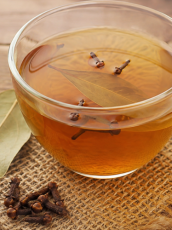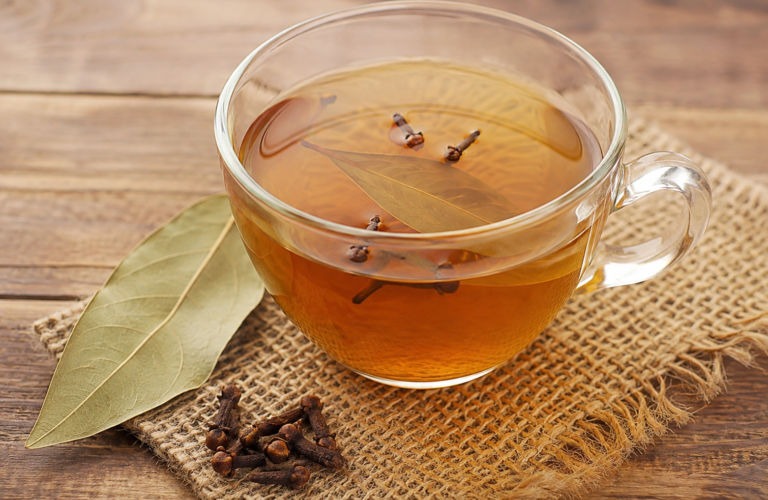
Bay Leaf and Clove Tea is a simple homemade herbal beverage that brings together two fragrant kitchen spices to create a comforting, flavorful drink. Prepared with dried bay leaves, whole cloves, and fresh water, this aromatic tea has a distinctive earthy taste with gentle sweetness and a naturally warming spice flavor. It is an excellent choice for anyone who enjoys homemade herbal drinks and wants something different from traditional black or green tea. The recipe requires only a handful of ingredients, making it convenient to prepare whenever you want a warm beverage. With approximately 20 minutes from preparation to serving, this bay leaf and clove tea fits easily into a busy daily routine. You can enjoy it plain or customize the flavor with optional ingredients such as cinnamon, fresh ginger, honey, and lemon juice.
2. Why You Will Enjoy This Bay Leaf and Clove Tea Recipe
One of the best things about this bay leaf tea recipe is its simplicity. You do not need special equipment, expensive ingredients, or complicated preparation techniques to make a delicious cup. A small saucepan, a strainer, and a couple of everyday spices are all you need. Bay leaves contribute a gentle herbal character, while cloves provide a rich, sweet-spicy fragrance that makes the beverage especially inviting. Another appealing feature is that the recipe is naturally caffeine-free because it does not contain black tea, green tea, or other traditional tea leaves. This makes it an enjoyable alternative when you want a warm drink without caffeine. The optional additions also make the recipe flexible, allowing you to create a citrusy, spicy, or slightly sweet variation depending on your personal taste.
3. What Is Bay Leaf and Clove Tea?
Bay leaf and clove tea is a spice-infused herbal drink prepared by simmering culinary bay leaves and whole cloves in water. Rather than using conventional tea leaves, this beverage relies on the natural fragrance and flavor of whole spices. The preparation method is similar to making other homemade herbal infusions: the ingredients are gently heated in water, allowed to steep, and then strained before serving. Bay leaves are commonly used to flavor soups, stews, rice dishes, and sauces, while cloves are popular in baked goods, spice blends, and warm beverages. When combined, these ingredients create a balanced infusion with an earthy aroma and a pleasant spicy finish. The tea can be served immediately while warm, making it a convenient option for breakfast, an afternoon break, or a relaxing evening.
4. The Flavor Profile of Bay Leaf and Clove Herbal Tea
The flavor of bay leaf and clove tea is distinctive without being overly complicated. Bay leaves have a mild herbal taste with earthy and slightly woody notes. They provide the foundation of the infusion without making it taste like an ordinary spice drink. Cloves contribute a stronger flavor, offering a sweet, warm, and slightly peppery character. Together, these ingredients produce a fragrant beverage that is pleasantly spiced and naturally aromatic. The strength of the finished tea depends on the quantity of cloves, the simmering time, and the length of the steeping period. If you enjoy subtle flavors, you can follow the suggested quantities and avoid extending the steeping time. For a more pronounced spice profile, optional cinnamon or fresh ginger can be included during simmering.
5. Ingredients Needed for Homemade Bay Leaf and Clove Tea
The original recipe uses a short list of ingredients that work together to create a flavorful herbal infusion. Dried culinary bay leaves are the main herbal ingredient, while whole cloves supply the characteristic spicy aroma. Fresh water forms the base of the drink and allows the spices to release their flavor during heating. The optional ingredients provide additional ways to personalize the finished beverage. Cinnamon creates a deeper, sweeter spice profile, while fresh ginger contributes a sharper warming taste. Honey can be used when you prefer a little sweetness, and fresh lemon juice adds a light citrus finish. Each optional ingredient can be adjusted according to your preferences without changing the basic preparation method. For the most balanced result, begin with the original quantities and experiment with the optional additions in small amounts.
6. Choosing Good-Quality Bay Leaves
Bay leaves are an important part of this recipe because they provide the herbal foundation of the tea. Dried culinary bay leaves are convenient and easy to find in most grocery stores and spice shops. Choose leaves that have a noticeable herbal fragrance and are reasonably intact rather than excessively crushed or dusty. Properly stored bay leaves generally retain their aroma better than spices that have been exposed to moisture or air for extended periods. Before using them, check that they are clean and suitable for culinary use. A quick rinse is optional if the leaves need cleaning, but make sure to pat them dry afterward. Breaking the leaves into two or three smaller pieces helps expose more surface area to the hot water, allowing their aroma to spread throughout the infusion.
7. Understanding the Role of Whole Cloves
Whole cloves give this herbal tea much of its recognizable character. They have a powerful fragrance and a naturally sweet, warm, slightly sharp flavor. Even a small quantity can noticeably influence the finished beverage, which is why the recipe uses only four to five whole cloves for two cups of water. Whole cloves are particularly suitable for homemade tea because they are easy to remove after simmering. They also allow you to control the intensity of the infusion without introducing unnecessary spice residue into the cup. When purchasing cloves, look for whole pieces with a strong aroma and a clean appearance. Avoid using excessive quantities, as the flavor can quickly become overpowering. Keeping the suggested amount will help maintain a pleasant balance between the earthy bay leaves and the aromatic cloves.
8. Optional Ingredients That Add Extra Flavor
Although the basic recipe needs only bay leaves, cloves, and water, several optional ingredients can make the beverage more interesting. A small cinnamon stick adds a warm sweetness and creates a deeper spice flavor that complements both main ingredients. Fresh ginger gives the infusion a slightly sharper taste and a more pronounced spicy character. Honey is useful if you prefer a naturally sweetened beverage, although it is not necessary for preparing the tea. Fresh lemon juice offers a refreshing citrus contrast that balances the stronger spice notes. These additions should be treated as flavor choices rather than essential ingredients. You can include one, two, or several of them depending on the type of beverage you want to prepare. The original quantities provide a good starting point for experimenting with different combinations.
9. Kitchen Equipment for Preparing the Tea
Making bay leaf and clove tea does not require specialized kitchen equipment. A small saucepan is sufficient for heating the water and simmering the spices. A regular kitchen spoon can be used to stir the ingredients gently, while a fine-mesh strainer helps remove the bay leaves, cloves, and any optional whole spices before serving. You will also need two heat-safe cups or a small teapot for the finished beverage. If you prefer to prepare the tea in advance, an airtight container can be used for refrigeration after the drink has cooled. Using clean equipment is important for maintaining the fresh flavor of the infusion. A saucepan with a lid is particularly useful because it allows the spices to steep after the heat has been turned off, helping preserve their fragrance.
10. Preparing the Ingredients Before Cooking
A little preparation before heating the water makes the entire process easier. Begin by gathering the dried bay leaves, whole cloves, and two cups of fresh water. If you are including cinnamon or ginger, prepare those ingredients as well. Check the bay leaves for any unwanted particles and rinse them if necessary. Pat them dry before breaking each leaf into two or three smaller pieces. This simple step helps expose more of the leaf to the water during cooking. If you are using fresh ginger, peel it carefully and slice it into two or three thin pieces. Keep the cloves whole rather than crushing them, since whole cloves are easier to strain from the finished beverage. Having everything ready before turning on the stove helps keep the cooking process organized.
11. Step-by-Step Method for Making Bay Leaf and Clove Tea
The preparation begins by pouring two cups of fresh water into a small saucepan. Place the pan over medium heat and allow the water to reach a gentle boil. Once the water is hot, add the prepared bay leaf pieces and four to five whole cloves. If you want a more complex flavor, this is also the time to add the optional cinnamon stick and fresh ginger slices. Stir gently so the ingredients are distributed throughout the water. Reduce the heat and allow the mixture to simmer for approximately eight to ten minutes. Keep the heat low rather than allowing the water to boil aggressively. This gradual cooking process gives the spices time to release their aroma and flavor into the water without making the infusion unnecessarily harsh.
12. Why Gentle Simmering Is Important
Gentle simmering is an important part of making a balanced bay leaf and clove infusion. Once the ingredients have been added, reducing the heat helps maintain a steady cooking temperature. Vigorous boiling is unnecessary and can cause too much water to evaporate, especially when preparing a small batch. A gentle simmer allows the flavors of the bay leaves and cloves to develop gradually. During this stage, the water may take on a light golden-brown appearance, and the kitchen will begin to smell pleasantly of warm spices. Keeping the saucepan partially covered helps retain heat while allowing some steam to escape. Following the suggested eight-to-ten-minute simmering time is a practical way to extract the flavor without making the beverage excessively strong.
13. Allowing the Herbal Tea to Steep
After simmering, turn off the heat and cover the saucepan completely. Allow the mixture to steep for another three to five minutes. This resting period gives the bay leaves and cloves additional time to infuse the hot water. Steeping also helps the different flavors come together, producing a more rounded beverage. The strength of the finished tea will depend partly on how long the spices remain in the water, so it is worth following the suggested time when preparing the recipe for the first time. If you prefer a lighter drink, avoid extending the steeping period. Once the tea has rested, it is ready for straining. Do not leave the whole spices in the finished beverage for an extended period, as this can make the flavor stronger than intended.
14. Straining and Serving the Finished Tea
Straining is necessary to remove the whole spices and bay leaf pieces before drinking. Place a fine-mesh strainer over a heat-safe teapot or directly over your serving cups. Carefully pour the prepared infusion through the strainer, allowing the liquid to pass through while catching the solid ingredients. Remove all bay leaf pieces, cloves, and optional ginger or cinnamon before serving. Bay leaves, in particular, should not be left in the drinking cup because their stiff texture makes them unpleasant to consume. Once strained, the tea can be served plain or adjusted with the optional flavorings. Allow it to cool slightly before adding honey or lemon juice. Stir gently to combine the ingredients and serve the beverage while comfortably warm.
15. Adding Honey and Lemon for a Balanced Taste
Honey and lemon are optional additions that can change the overall flavor of this homemade herbal tea. Honey provides a gentle sweetness that softens the stronger character of the cloves. If you enjoy sweetened beverages, one teaspoon is a useful starting point. Stir it into the strained tea after the liquid has cooled slightly. Lemon juice offers a different flavor experience, adding a refreshing citrus note that contrasts with the earthy and spicy ingredients. One to two teaspoons of fresh lemon juice can be added according to your preference. You can use honey and lemon together or choose only one. If you enjoy the natural taste of the spices, there is no need to add either ingredient. The plain version is flavorful enough to serve on its own.
16. Bay Leaf and Clove Tea With Cinnamon
Cinnamon is an excellent optional ingredient when you want a deeper, warmer spice flavor. To make this variation, simply include one small cinnamon stick when adding the bay leaves and cloves to the saucepan. Allow all the ingredients to simmer together for the same eight to ten minutes. Cinnamon contributes a naturally sweet and woody aroma that works particularly well with the strong fragrance of cloves. The finished drink has a more layered spice profile than the basic version. You can serve it without honey or add a small amount if you prefer a sweeter taste. This variation is especially enjoyable during cooler weather when a fragrant, warm beverage feels particularly appealing. Remember that cinnamon is optional, so the original recipe remains unchanged when you leave it out.
17. Bay Leaf, Clove, and Ginger Tea
Fresh ginger is another useful addition for anyone who prefers a slightly stronger and more pronounced spice flavor. Add two to three thin slices of peeled fresh ginger to the saucepan along with the bay leaves and whole cloves. Simmer the mixture gently for eight to ten minutes, then allow it to steep before straining. Ginger has a distinctive sharp taste that creates an interesting contrast with the herbal character of bay leaves and the sweet-spicy aroma of cloves. This variation can be enjoyed plain or finished with a little lemon juice. If you prefer a more balanced flavor, avoid adding too much ginger because its natural sharpness can easily become the dominant taste. The suggested quantity is a suitable starting point for a two-cup batch.
18. Refreshing Lemon Bay Leaf and Clove Tea
For a lighter-tasting variation, fresh lemon juice can be added after the tea has been simmered, steeped, and strained. The citrus flavor gives the drink a refreshing finish and helps balance the warm, earthy qualities of the spices. Prepare the basic bay leaf and clove tea according to the original instructions. Once the liquid has been strained and has cooled slightly, stir in one to two teaspoons of fresh lemon juice. Adding lemon at the end preserves its fresh citrus character and allows you to adjust the flavor more easily. This version is suitable for people who enjoy herbal infusions with a slight tang. It can be served warm in a ceramic mug or allowed to cool before being poured into a heat-safe glass.
19. Naturally Sweet Honey-Spiced Herbal Tea
If you prefer a softer, sweeter beverage, honey is a simple addition that works well with the main spices. Prepare the infusion using the original quantities of bay leaves, cloves, and water. You can also include the optional cinnamon stick for a deeper flavor. Once the tea has been strained, allow it to cool slightly before stirring in one teaspoon of honey. This helps the honey blend smoothly into the liquid. The sweetness complements the strong fragrance of cloves and the gentle herbal flavor of bay leaves. You do not need to add any extra sweetener if you already enjoy the natural taste of the drink. This variation is easy to personalize and can be prepared using the same basic cooking method.
20. When Is the Best Time to Enjoy Bay Leaf and Clove Tea?
Bay leaf and clove tea can be enjoyed at different times of the day because it contains no traditional tea leaves and is naturally caffeine-free. Some people prefer a warm cup after a meal, while others enjoy it as part of a quiet afternoon or evening routine. Its aromatic flavor makes it a pleasant alternative to ordinary hot beverages, particularly when you want something prepared from simple kitchen ingredients. You can serve it alongside breakfast, enjoy it during an afternoon break, or pair it with a light evening snack. There is no special timing required to enjoy this drink. The most important consideration is personal preference, along with any individual dietary or health considerations that may affect the use of concentrated herbal preparations.
21. How to Make the Tea Taste Better
A few simple preparation habits can make a noticeable difference to the finished beverage. Start with fresh water and good-quality culinary spices. Use the recommended four to five cloves rather than adding a large handful, because cloves have a strong flavor. Break the bay leaves into smaller pieces to help release their aroma during simmering. Keep the heat low after adding the ingredients and avoid boiling the mixture too aggressively. Give the tea enough time to steep after cooking, but do not leave the spices in the liquid indefinitely. Strain the infusion carefully so that no solid ingredients remain in the cups. Finally, taste the finished tea before adding honey or lemon. These small adjustments help you prepare a balanced drink while keeping the original recipe simple.
22. Common Mistakes to Avoid When Making Spice Tea
One common mistake is using too many cloves. Although they provide the characteristic aroma of this beverage, their flavor can quickly become overpowering when used in excessive quantities. Another mistake is boiling the ingredients too vigorously instead of allowing them to simmer gently. High heat is unnecessary for this recipe and may cause too much water to evaporate. Some people also leave the whole spices in the liquid for too long, which can make the tea stronger than expected. Forgetting to strain the drink is another issue because whole cloves and bay leaf pieces are not pleasant to drink. Using old, poorly stored spices can also result in a less fragrant infusion. Following the ingredient quantities and cooking times carefully helps avoid these problems.
23. Can You Prepare Bay Leaf and Clove Tea in Advance?
This herbal beverage is best prepared shortly before serving because its flavor and aroma are most enjoyable when fresh. However, you can make a small batch in advance if necessary. After preparing and straining the tea, allow it to cool completely. Transfer the liquid to a clean, airtight container and place it in the refrigerator. The original recipe recommends using refrigerated leftovers within one to two days. When you are ready to drink it, reheat the tea gently on the stovetop or in a suitable microwave-safe container. Avoid leaving prepared tea at room temperature for extended periods. It is also better to store the strained liquid without the whole spices, as leaving the ingredients inside can continue to change the flavor during storage.
24. Serving Suggestions for a Pleasant Tea Experience
Presentation can make a simple homemade beverage feel more inviting. Serve bay leaf and clove tea in a ceramic mug or heat-safe glass cup. If you have prepared the cinnamon variation, a small cinnamon stick can be used as a decorative garnish. A thin slice of lemon is another attractive addition, especially when serving the citrus version. You can also serve the tea plain to highlight its natural spice aroma. This beverage pairs nicely with light breakfast foods, simple biscuits, afternoon snacks, or an evening treat. If you are serving guests, prepare the tea shortly before they arrive and strain it into a small teapot. This makes it easy to pour individual portions while keeping the serving process neat and convenient.
25. Is Bay Leaf and Clove Tea Caffeine-Free?
Yes. This recipe is naturally caffeine-free because it does not contain black tea leaves, green tea leaves, coffee, or other traditional caffeinated ingredients. Its flavor comes entirely from bay leaves and whole cloves infused in water. The optional cinnamon, ginger, lemon, and honey also do not introduce caffeine into the basic preparation. This makes the beverage an alternative for people who want to enjoy a warm drink without the caffeine found in conventional tea and coffee. However, caffeine-free does not automatically mean that a drink is suitable for everyone or that it can be consumed without considering individual circumstances. People with medical conditions, those taking medication, and pregnant or breastfeeding individuals should seek appropriate professional advice before regularly consuming concentrated herbal preparations.
26. Can Fresh Bay Leaves Be Used Instead of Dried Bay Leaves?
Fresh culinary bay leaves can be used as an alternative to dried leaves, although the resulting flavor may be somewhat different. Dried bay leaves are convenient and commonly used for herbal infusions because they are easy to store and measure. Fresh leaves may have a different level of fragrance and intensity, depending on their freshness and variety. If you decide to use fresh bay leaves, choose clean leaves intended for culinary use rather than unidentified ornamental plants. Start with a small quantity and adjust the flavor according to your preference. The important point is to use genuine culinary bay leaves. Regardless of whether you choose fresh or dried leaves, strain the finished tea thoroughly and remove all solid leaf pieces before drinking.
27. Can Ground Cloves Be Used Instead of Whole Cloves?
Whole cloves are recommended for this particular recipe because they are easy to measure and remove after simmering. Ground cloves can technically be used to flavor hot water, but they may leave a cloudy appearance and fine particles in the finished beverage. This can make the drink less pleasant to serve, especially if you prefer a clear herbal infusion. Whole cloves also make it easier to control the strength of the tea because they release their flavor gradually during cooking. If whole cloves are available, there is little reason to substitute them with ground cloves. Keeping the original ingredient form also makes the straining process easier and helps maintain the simple appearance of the finished drink.
28. Can You Make a Larger Batch of This Herbal Tea?
Yes, the recipe can be increased when you want to serve more than two cups. The easiest method is to multiply the original ingredients while maintaining the same proportions. For example, if you double the water to four cups, you should also double the quantities of bay leaves and whole cloves. Optional ingredients can be increased in the same way, although it is sensible to adjust them gradually according to taste. Use a saucepan large enough to hold the water and spices comfortably, leaving some space at the top. Follow the same gentle simmering and steeping method, then strain the liquid before serving. Avoid adding extra cloves simply because you are preparing a larger pot without adjusting the other ingredients proportionally.
29. Important Considerations Before Drinking Herbal Spice Tea
Bay leaves and cloves are familiar culinary ingredients, but a homemade infusion is different from simply using small amounts of spices in food. The effects of regularly consuming concentrated herbal preparations have not been adequately established for every individual or situation. This tea should be enjoyed as a flavorful beverage rather than promoted as a treatment for weight loss, inflammation, digestive problems, blood sugar concerns, or other medical conditions. It should not replace prescribed medication, professional medical care, or advice from a qualified healthcare provider. Anyone who is pregnant, breastfeeding, taking medication, or managing a medical condition should discuss regular use of concentrated herbal drinks with a healthcare professional. It is also important to use culinary-grade ingredients and avoid drinking the beverage if you experience an unexpected reaction.
Bay Leaf and Clove Tea
Description:
A warm, fragrant, caffeine-free herbal beverage prepared by simmering dried bay leaves and whole cloves in fresh water. This homemade spice tea has a mild earthy flavor with a naturally sweet and warming aroma. Optional cinnamon, ginger, honey, and lemon provide additional flavor choices.
Preparation & Cooking Duration:
- Preparation Time: 5 minutes
- Cooking Time: 10 minutes
- Steeping Time: 5 minutes
- Total Time: 20 minutes
Serving:
- Yield: 2 cups
- Course: Beverage
- Cuisine: Herbal
- Diet: Naturally caffeine-free
Ingredients:
- 2 dried bay leaves
- 4–5 whole cloves
- 2 cups water
- 1 small cinnamon stick (optional)
- 2–3 thin slices fresh ginger (optional)
- 1 teaspoon honey (optional)
- 1–2 teaspoons fresh lemon juice (optional)
Step-by-Step Instructions:
1. Prepare the Ingredients: Gather the dried bay leaves, whole cloves, and water. Rinse the bay leaves if necessary, pat them dry, and break them into two or three smaller pieces. If using ginger, peel and slice it thinly.
2. Heat the Water: Pour two cups of fresh water into a small saucepan. Place over medium heat and bring to a gentle boil.
3. Add the Spices: Add the broken bay leaves and whole cloves to the hot water. Include the optional cinnamon stick and fresh ginger if desired.
4. Simmer the Mixture: Reduce the heat to low and simmer gently for 8–10 minutes. Keep the saucepan partially covered while the spices infuse.
5. Steep the Tea: Turn off the heat and cover the saucepan completely. Allow the mixture to steep for another 3–5 minutes.
6. Strain the Beverage: Place a fine-mesh strainer over a heat-safe cup or teapot. Carefully pour the tea through it, removing all bay leaves, cloves, ginger, and cinnamon.
7. Add Optional Flavorings: Allow the tea to cool slightly. Stir in one teaspoon of honey for sweetness or one to two teaspoons of fresh lemon juice for a citrus flavor.
8. Serve Warm: Pour into two cups and enjoy immediately.
Nutritional Information:
Approximate values per serving (½ of the prepared recipe, without optional additions). Actual values vary depending on ingredient size and how much infusion is consumed.
| Nutrient | Approximate Amount |
|---|---|
| Calories | 2 kcal |
| Carbohydrates | 0.4 g |
| Protein | 0.1 g |
| Fat | 0 g |
| Fiber | 0.1 g |
| Sugar | 0 g |
| Sodium | 1 mg |
Notes:
- Use culinary-grade dried bay leaves and good-quality whole cloves.
- Avoid adding too many cloves because their flavor is naturally strong.
- Keep the mixture at a gentle simmer rather than a vigorous boil.
- Strain thoroughly and remove all whole spices before drinking.
- Cinnamon, ginger, honey, and lemon are optional additions.
- Fresh culinary bay leaves can be used instead of dried ones.
- Whole cloves are preferred over ground cloves because they are easier to strain.
- Store leftover strained tea in an airtight container in the refrigerator for up to 1–2 days. Reheat gently before serving.
- Enjoy this tea as a flavorful beverage, not as a substitute for medical treatment. If you have a medical condition, take medication, or are pregnant or breastfeeding, consult a healthcare professional before regularly consuming concentrated herbal preparations.