Sourdough butter cookies are a wonderful choice when you want a homemade treat that is rich, buttery, and easy to prepare. Made with just four basic ingredients, these cookies have lightly crisp edges, a delicate texture, and a soft center that melts in your mouth. The recipe also provides a practical way to use sourdough discard instead of throwing it away. Unlike recipes that require several flavorings, special decorations, or complicated techniques, these easy sourdough discard cookies rely on the natural taste of butter, sugar, flour, and sourdough starter discard. The result is a simple cookie that works beautifully for afternoon tea, coffee breaks, holiday baking, or a homemade gift. Even if you are new to baking with sourdough, this recipe is approachable and requires only everyday kitchen equipment.
What Makes These Four-Ingredient Cookies Special?
The appeal of these sourdough butter cookies lies in their simplicity. With only four main ingredients, there is very little preparation involved, and each ingredient contributes directly to the finished texture and flavor. Butter gives the cookies their rich taste and tender crumb, while granulated sugar provides sweetness and helps the edges develop a delicate crispness. All-purpose flour creates the structure needed to hold the dough together, and sourdough discard adds a subtle depth of flavor that complements the butter without making the cookies taste strongly sour. Because the ingredient list is short, the quality and measurement of each component matter. Following the preparation steps carefully helps produce cookies that hold their shape, bake evenly, and have the characteristic buttery texture that makes classic homemade cookies so enjoyable.
Why Use Sourdough Discard in Butter Cookies?
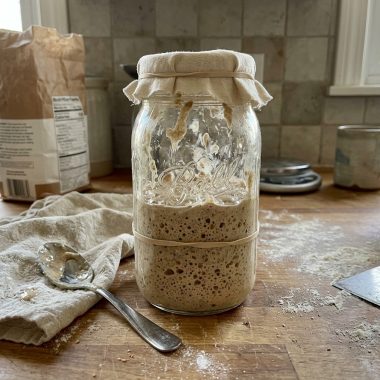
Sourdough discard is the portion of sourdough starter removed during regular feeding to maintain a manageable amount of starter. Although many bakers discard it, this ingredient can be used in a variety of recipes, including pancakes, crackers, muffins, cakes, and cookies. In butter cookies, discard introduces moisture and a gentle fermented flavor that adds complexity to an otherwise simple dough. Its mild tang can balance the sweetness of sugar and complement the richness of butter. You do not need to feed your starter specifically for this recipe, because unfed discard is suitable. Both recently removed discard and refrigerated discard can work, provided the starter is healthy and free from signs of spoilage. Using discard in baking is also an effective way to reduce food waste while making something delicious from an ingredient you may already have in your kitchen.
The Taste and Texture of Homemade Sourdough Cookies
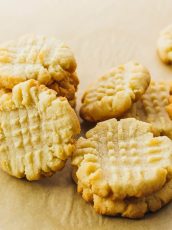
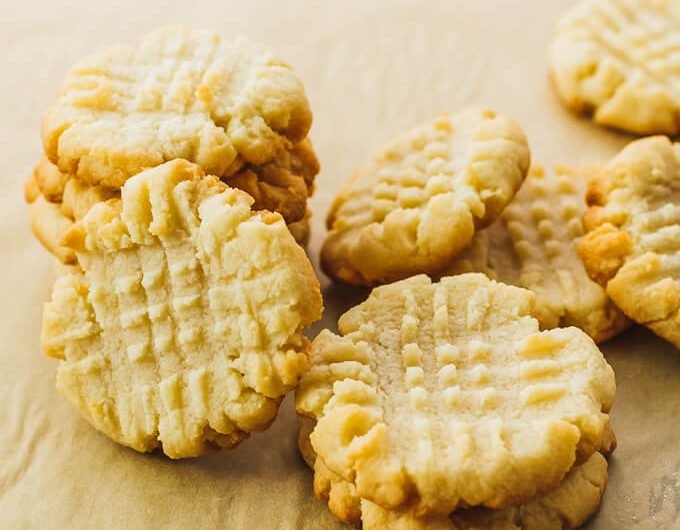
A good butter cookie should taste rich without feeling heavy, and these sourdough butter cookies aim for that familiar balance. The edges become lightly crisp in the oven, while the centers remain tender when the cookies are baked correctly. Butter supplies most of the characteristic flavor, creating a smooth, rich taste that pairs well with tea, coffee, or a glass of milk. Sourdough discard contributes a subtle background note rather than an overpowering sour flavor. The final result depends on the condition of the discard, the temperature of the butter, the consistency of the dough, and the baking time. Chilling the dough before shaping helps control spreading and supports a more even texture. Once cooled, the cookies should be delicate enough to bite through easily while still holding together well when lifted from the baking sheet.
Ingredients for Easy Sourdough Butter Cookies
This recipe uses four essential ingredients: unsalted butter, sourdough discard, granulated sugar, and all-purpose flour. Each ingredient has a specific purpose, so it is best to measure everything accurately rather than making casual substitutions. Unsalted butter provides the rich flavor and tender texture associated with traditional butter cookies. Sourdough discard contributes moisture and subtle complexity, while granulated sugar sweetens the dough and supports browning. All-purpose flour supplies the structure that allows the cookies to hold their shape during baking. The ingredient quantities are straightforward, making the recipe suitable for both experienced home bakers and beginners. Optional flavorings can be considered if you want to customize a separate batch, but they are not necessary for the original four-ingredient recipe. Keeping the main ingredients unchanged preserves the intended simplicity and makes this recipe especially convenient for everyday baking.
Choosing the Right Butter for the Best Flavor
Butter is one of the most important ingredients in this recipe because it provides much of the cookies’ flavor, richness, and texture. Unsalted butter is specified so that the recipe remains consistent without introducing an unlisted amount of salt. Allow the butter to soften at room temperature before mixing it with the sugar. Properly softened butter should yield slightly when pressed but should not appear melted, greasy, or liquid. Butter that is too cold will be difficult to cream evenly, while melted butter can change the dough’s consistency and encourage the cookies to spread more than expected. Creaming softened butter with sugar helps distribute the sugar throughout the mixture and creates a smooth base for the remaining ingredients. Taking a few minutes to prepare the butter correctly can make a noticeable difference in the shape, texture, and overall quality of your finished sourdough cookies.
How Sourdough Discard Affects Cookie Dough
Sourdough discard can vary in thickness, acidity, and moisture depending on the starter’s hydration, feeding schedule, and storage conditions. For this recipe, use discard that has a normal sourdough aroma and a consistency that can be mixed smoothly into the butter and sugar. Unfed discard straight from the refrigerator is suitable, although allowing it to lose some of its chill can make mixing easier. The discard helps bring the ingredients together and adds a gentle fermented note that distinguishes these cookies from ordinary butter biscuits. If your starter has been maintained at a consistent hydration, the dough should be relatively easy to handle once the flour is incorporated. Avoid using discard with visible mold, unusual discoloration, or a clearly rotten smell. Healthy discard should be used as a baking ingredient, not as a way to disguise a starter that has spoiled.
Why All-Purpose Flour Works Well
All-purpose flour is a dependable choice for sourdough butter cookies because it provides enough structure without making the cookies excessively dense. The flour absorbs moisture from the butter and sourdough discard, allowing the mixture to become a soft dough that can be chilled, rolled, and shaped. Measuring the flour accurately is important because too much can create dry, crumbly cookies, while too little may leave the dough overly soft and difficult to handle. For the most consistent results, use the listed weight of 250 grams when possible. If you measure using cups, spoon the flour into the measuring cup and level the top rather than packing it down. Add the flour gradually and mix only until a cohesive dough forms. Excessive mixing is unnecessary and may affect the finished texture. The goal is a dough that is smooth, manageable, and ready to chill before shaping.
Why Creaming Butter and Sugar Matters
Creaming butter and sugar is an important step in making cookies with a pleasant texture. When softened butter is beaten with granulated sugar, the mixture becomes lighter and more evenly combined. This process helps distribute the sugar throughout the butter before the sourdough discard and flour are added. For this recipe, approximately two to three minutes of mixing is usually sufficient, depending on the temperature of the butter and the equipment being used. The mixture should look creamy rather than oily or separated. An electric mixer makes the task quicker, but a wooden spoon can also be used with a little extra effort. Avoid beating the mixture excessively, as the recipe does not require a lengthy aeration process. A smooth, evenly creamed mixture gives the remaining ingredients a consistent base and helps the cookies bake with a more uniform texture.
Preparing the Dough Without Overmixing
After the butter and sugar have been creamed, mix in the sourdough discard until the mixture is smooth and evenly combined. Add the all-purpose flour gradually, mixing just until the ingredients come together into a soft dough. At this stage, it is important not to continue mixing simply to make the dough look perfectly polished. Overworking cookie dough can make the final texture firmer than intended, especially when flour is mixed for longer than necessary. The finished dough should be cohesive and easy to gather into a ball, although it may feel slightly soft before chilling. If some flour remains around the sides of the bowl, scrape it down and gently incorporate it. Proper mixing ensures that the butter, discard, sugar, and flour are distributed evenly, helping each cookie bake consistently without unnecessary handling or complicated techniques.
Why Chilling the Dough Is Essential
Chilling the dough for approximately 30 minutes is an important part of preparing these sourdough butter cookies. Because the recipe contains a generous amount of butter, the dough can become soft while being mixed and shaped. Refrigeration firms the butter and makes the dough easier to handle, allowing you to roll more consistent portions without excessive sticking. Chilling also helps control how quickly the cookies spread when they enter the oven. If the dough is too warm, the cookies may flatten more than expected before their structure sets. Cover the mixing bowl before placing it in the refrigerator so the dough does not dry out or absorb unwanted odors. After chilling, the dough should feel firmer but remain easy enough to roll between your hands. If it becomes very hard, allow it to rest briefly at room temperature before shaping the cookies.
How to Shape Uniform Butter Cookies
Once the dough has chilled, divide it into portions of approximately one tablespoon each and roll them gently into small balls. Keeping the portions similar in size helps the cookies bake at the same rate, so smaller cookies do not become overbaked while larger ones remain too soft. Place the dough balls on baking sheets lined with parchment paper, leaving around two inches of space between them. This spacing allows for some spreading during baking and helps prevent neighboring cookies from touching. You do not need a cookie cutter, piping bag, or decorative press to prepare this recipe. Simple round shapes suit the buttery dough and make the process easy for beginner bakers. Handle the dough gently and avoid pressing it excessively while rolling. If the dough begins to soften in your hands, return it to the refrigerator briefly before continuing with the remaining portions.
Preparing the Oven and Baking Sheets
Before baking, preheat the oven to 350°F (175°C). Giving the oven enough time to reach the correct temperature helps the cookies bake evenly from the beginning. If the oven is too cool, the butter may soften and spread before the dough develops enough structure. An excessively hot oven, on the other hand, can brown the edges too quickly while leaving the centers underbaked. Line two baking sheets with parchment paper to reduce sticking and make the cookies easier to remove. Parchment also makes cleanup more convenient and helps prevent direct contact between the dough and the metal baking sheet. For consistent results, use baking sheets that are at room temperature when placing the dough on them. If you are baking multiple batches, allow hot sheets to cool before adding the next batch of chilled dough.
Recognizing When the Cookies Are Ready
The baking time should be guided by the appearance of the cookies as well as the oven temperature. These butter cookies should develop lightly crisp edges while maintaining a tender center. Because ovens vary in temperature accuracy and airflow, begin checking the cookies toward the end of the expected baking period rather than relying entirely on a fixed number of minutes. Look for edges that appear set and may have a faint golden color, while the centers should no longer look like wet dough. The cookies may still feel delicate when they first come out of the oven, so avoid moving them immediately. They continue to firm up as they cool. Overbaking can make butter cookies dry and overly crisp, reducing the tender texture that makes them enjoyable. Remove them when they appear set, then allow them to rest before transferring them to a cooling rack.
Cooling the Cookies for the Best Texture
Cooling is a small but important part of baking sourdough butter cookies. When the cookies first leave the oven, their structure is still delicate, and moving them too quickly can cause them to break. Leave them on the baking sheet for several minutes so the residual heat can help them firm up. Once they are stable enough to lift, transfer them carefully to a cooling rack and allow air to circulate around each cookie. Cooling on a rack helps prevent moisture from collecting underneath, which can soften the bottoms. The edges should become more defined as the cookies cool, while the centers retain their tender texture. Wait until the cookies are completely cool before placing them in an airtight container. Storing warm cookies can trap steam inside the container and affect their texture, especially if you prefer the edges to remain pleasantly crisp.
Optional Flavors to Customize Your Cookies
The original recipe uses only four ingredients, but the dough can be adapted with optional additions if you want to create a different flavor profile. Vanilla extract can provide a familiar bakery-style aroma, while lemon zest or orange zest gives the cookies a bright citrus note. A small amount of cinnamon introduces gentle warmth, and mini chocolate chips can make the cookies sweeter and more dessert-like. Sprinkles or sanding sugar can also add a decorative finish for birthdays, festive occasions, or homemade cookie gifts. These additions are optional and are not required for the basic recipe. If you are preparing the cookies for the first time, consider baking the original version before experimenting so you can understand its natural flavor and texture. When changing the dough, use small quantities of additional ingredients and remember that extra moisture or large amounts of mix-ins can affect shaping and baking.
Serving Ideas for Sourdough Butter Cookies
These simple butter cookies are versatile enough to serve on many occasions. Their rich, delicate flavor pairs well with a cup of black tea, milk tea, coffee, or hot chocolate, making them a pleasant choice for an afternoon snack. They can also be arranged on a dessert plate alongside fresh fruit or other small baked treats. During the holidays, place cooled cookies in a decorative tin or food-safe gift box for a thoughtful homemade present. For gatherings, serve them with a selection of other biscuits and desserts so guests can enjoy different textures and flavors. Because the recipe produces approximately 24 cookies, it is convenient for sharing without requiring a large batch of dough. The cookies are also suitable for an everyday sweet treat when you want something homemade without spending hours preparing a complicated dessert.
How to Store Homemade Sourdough Butter Cookies
Once completely cooled, store the cookies in an airtight container at room temperature. Keeping air and excess moisture away from the cookies helps maintain their flavor and texture. A cool, dry cupboard is generally a better storage location than a warm area near the stove or a sunny window. If the cookies are packed while still warm, condensation can collect inside the container and make them softer than intended. For the best eating quality, avoid storing them alongside strongly scented foods, as butter cookies can absorb surrounding odors. If you want to prepare the cookies ahead of a celebration, allow enough time for them to cool fully before packing them. You can also separate layers with parchment paper to reduce breakage. Check the cookies before serving and discard any that show signs of spoilage or have been stored under unsuitable conditions.
Can You Freeze Sourdough Butter Cookies?
Freezing can be a practical option if you want to prepare these cookies in advance. Completely cooled baked cookies can be placed in a freezer-safe airtight container, with parchment paper between layers to help prevent sticking and breakage. Keep the container sealed to reduce exposure to freezer air and moisture. When you are ready to serve the cookies, allow them to thaw while still protected from excess moisture. For a freshly baked option, you can also consider freezing portions of the prepared dough, provided it is wrapped well and stored in a suitable freezer container. Chilled or frozen dough may require some adjustment in handling before shaping, and baking times can vary depending on the dough temperature. Labeling the container with the preparation date is a simple way to keep track of stored portions and avoid leaving them in the freezer indefinitely.
Common Mistakes to Avoid When Baking Butter Cookies
A few small mistakes can change the appearance and texture of these cookies, but they are easy to avoid. Using melted butter instead of softened butter can make the dough greasy and encourage spreading. Measuring flour inaccurately may produce dough that is either too dry or too sticky, so weighing the ingredients is helpful when possible. Skipping the chilling step can make the dough harder to shape and may cause the cookies to spread too much. Overmixing after adding the flour can also lead to a firmer texture than intended. Another common mistake is transferring the cookies to a cooling rack immediately after baking, when they are still fragile. Allowing them to rest on the baking sheet first helps them set. Finally, avoid crowding the baking sheets, because cookies need room to spread and benefit from even airflow around each portion.
Are Sourdough Butter Cookies Suitable for Beginners?
Yes, this recipe is a good starting point for anyone learning to bake with sourdough discard. It does not require an active starter, complicated fermentation schedules, special shaping tools, or advanced baking techniques. The ingredients are common pantry staples, and the preparation consists of mixing, chilling, shaping, and baking. Beginners can focus on learning basic skills such as creaming butter and sugar, measuring flour accurately, recognizing the correct dough consistency, and understanding how cookies change as they cool. The short ingredient list also makes it easier to identify which step may need attention if the results are not quite right. For example, excessive spreading may suggest that the dough was too warm, while a crumbly texture may indicate inaccurate flour measurement or overmixing. With careful preparation, these sourdough discard cookies can become a dependable addition to a home baker’s collection.
Frequently Asked Questions About Sourdough Butter Cookies
Can I use sourdough discard straight from the refrigerator? Yes, unfed discard from the refrigerator can be used. Allowing it to warm slightly may make it easier to incorporate evenly into the butter mixture.
Will the cookies taste sour? They should have a subtle depth of flavor rather than a strong sour taste. The final flavor depends on the starter’s acidity and how long the discard has been stored.
Why does the dough need to chill? Chilling firms the butter, makes the dough easier to roll, and helps reduce excessive spreading during baking.
Can I make the cookies without an electric mixer? Yes. A wooden spoon and a mixing bowl are sufficient, although creaming the butter and sugar by hand may take longer.
Why are my cookies spreading too much? The butter may have been too warm, the dough may not have chilled long enough, or the oven may not have reached the correct temperature before baking.
Can I add vanilla or citrus zest? Yes, these are optional additions. They are not part of the original four-ingredient ingredient list, so leave them out if you want the simplest version.
How many cookies does the recipe make? The recipe makes approximately 24 cookies when the dough is divided into portions of about one tablespoon each.
Helpful Notes for Reliable Results
For the most consistent batch, measure the butter, discard, sugar, and flour carefully and use the specified quantities. Softened butter should be pliable rather than melted, and the dough should be chilled for about 30 minutes before shaping. Keep the portions similar in size and leave enough room between them on the lined baking sheets. Preheat the oven fully to 350°F (175°C), and watch the edges toward the end of baking because individual ovens may behave differently. Allow the cookies to firm up on the baking sheet before moving them to a cooling rack. If you choose to add flavorings, remember that the basic recipe is designed around four ingredients, and additions may change the flavor or texture slightly. These small details help produce cookies that are buttery, tender, and lightly crisp without requiring complicated equipment or specialist baking knowledge.
Why This Recipe Deserves a Place in Your Baking Collection
Sourdough butter cookies offer an easy way to turn leftover starter discard into a delicious homemade snack. The recipe combines familiar ingredients with straightforward preparation, making it suitable for both everyday baking and special occasions. Their buttery flavor, delicate texture, and lightly crisp edges make them a natural companion for tea, coffee, and other simple refreshments. They can be served plain, packaged as gifts, or adapted with optional flavors when you want a little variety. Most importantly, the recipe demonstrates that sourdough discard can be useful beyond traditional loaves of bread. Instead of maintaining a discard jar without a plan for using it, you can incorporate some into a small batch of cookies. With accurate measuring, a brief chilling period, and careful baking, these four-ingredient sourdough butter cookies are an uncomplicated way to enjoy homemade baking while reducing kitchen waste.
Sourdough Butter Cookies (Just 4 Ingredients!)
Description: These easy sourdough butter cookies combine rich butter, sweet sugar, all-purpose flour, and sourdough discard to create a homemade treat with lightly crisp edges and tender centers. They are simple to prepare, beginner-friendly, and a practical way to use unfed sourdough discard.
Preparation & Cooking Duration
- Preparation time: 15 minutes
- Chilling time: 30 minutes
- Cooking time: Approximately 10–15 minutes; check for doneness as oven temperatures vary
- Total time: Approximately 55–60 minutes
- Yield: About 24 cookies
Ingredients
- 1 cup (226 g) unsalted butter, softened
- ½ cup (120 g) sourdough discard
- ½ cup (100 g) granulated sugar
- 2 cups (250 g) all-purpose flour
Optional Add-Ins (not included in the original four-ingredient recipe)
- 1 teaspoon vanilla extract
- Lemon zest
- Orange zest
- Cinnamon
- Mini chocolate chips
- Sprinkles
- Sanding sugar for topping
Equipment
- Mixing bowl
- Electric mixer or wooden spoon
- Measuring cups or kitchen scale
- Baking sheets
- Parchment paper
- Cooling rack
Step-by-Step Instructions
1. Preheat the oven. Set the oven to 350°F (175°C). Line two baking sheets with parchment paper to prevent sticking and make cleanup easier.
2. Cream the butter and sugar. Place the softened unsalted butter and granulated sugar in a large mixing bowl. Beat with an electric mixer or mix thoroughly with a wooden spoon for approximately 2–3 minutes, until creamy and well combined.
3. Mix in the sourdough discard. Add the sourdough discard to the butter mixture. Continue mixing until the ingredients are evenly incorporated and the mixture looks smooth.
4. Add the flour. Gradually mix in the all-purpose flour. Stop mixing as soon as a soft, cohesive dough forms. Avoid overmixing.
5. Chill the dough. Cover the bowl and refrigerate the dough for approximately 30 minutes. This helps firm the butter and makes the dough easier to shape.
6. Shape the cookies. Remove the chilled dough from the refrigerator. Roll it into small balls using approximately one tablespoon of dough per cookie.
7. Arrange on the baking sheets. Place the dough balls on the prepared baking sheets, leaving about two inches between each cookie to allow room for spreading.
8. Bake until set. Bake in the preheated oven until the edges are lightly crisp and the cookies look set. Begin checking at around 10 minutes, allowing additional time if needed. The exact baking time will depend on your oven and the size of the cookies.
9. Cool the cookies. Leave the cookies on the baking sheet for several minutes before transferring them carefully to a cooling rack. Allow them to cool completely before serving or storing.
Nutritional Information
Estimated nutrition per cookie, assuming a yield of 24 cookies and using only the four main ingredients:
- Calories: Approximately 125–135 kcal
- Carbohydrates: Approximately 12–14 g
- Protein: Approximately 1–2 g
- Fat: Approximately 8–9 g
- Saturated fat: Approximately 5–6 g
- Sugar: Approximately 4–5 g
Nutrition values are estimates and may vary depending on the ingredients used, the nutritional composition of the sourdough discard, and the final number of cookies.
Notes
- Use softened butter, not melted butter, for the intended dough consistency.
- Weighing the flour is recommended for more reliable results.
- Refrigerate the dough for 30 minutes before shaping to help control spreading.
- Leave approximately two inches between cookies on the baking sheet.
- Allow the cookies to cool before storing them in an airtight container.
- Optional add-ins can be used for variety, but they are not required for the original four-ingredient version.
- Use healthy sourdough discard that shows no signs of mold or spoilage.