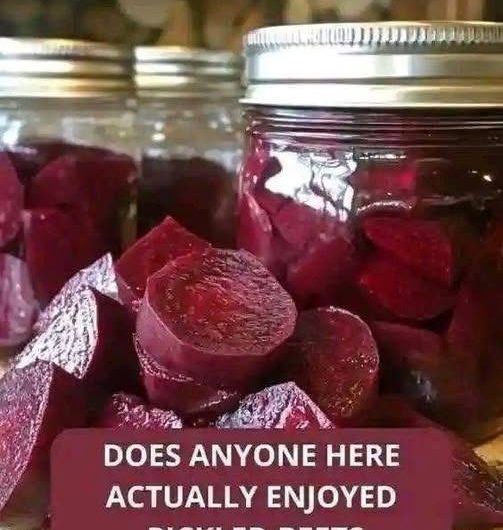
Easy Homemade Pickled Beets Recipe: Sweet, Tangy, and Full of Flavor
Homemade pickled beets are a delicious way to enjoy the earthy sweetness of fresh beets with a bright, tangy vinegar brine. This easy pickled beets recipe combines tender red beets, aromatic spices, garlic, and sliced red onion to create a flavorful side dish that works with everyday meals and special occasions. Whether you are looking for a traditional pickled beets recipe, a simple refrigerator pickle, or a colorful addition to your favorite salads, this homemade version offers a straightforward way to prepare beets with ingredients that are easy to find. The preparation involves cooking the beets until tender, peeling and slicing them, and covering them with a warm, sweet-and-sour pickling liquid. After chilling in the refrigerator, the beets develop a deeper flavor and a pleasing balance of sweetness, acidity, and spice.
What Makes Homemade Pickled Beets So Delicious?
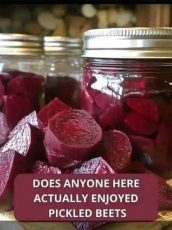
The appeal of homemade pickled beets comes from the combination of naturally sweet vegetables and a tangy, seasoned brine. Red beets have a distinctive earthy flavor that becomes milder and sweeter during cooking. White vinegar adds sharpness, while granulated sugar balances the acidity and creates a familiar sweet-and-sour taste. Whole black peppercorns, cloves, and cinnamon contribute warmth and fragrance without overpowering the beets. Garlic introduces a savory note, and red onion adds extra flavor and texture. Together, these ingredients create a well-rounded condiment that can complement a wide range of dishes. The finished beets are tender enough to enjoy easily but can retain a pleasant firmness when cooked carefully. Their deep ruby-red color also makes them an attractive addition to a serving platter, grain bowl, or simple family dinner.
Why This Easy Pickled Beets Recipe Is Worth Making
Preparing pickled beets at home allows you to control the flavor, texture, and sweetness of the finished dish. The recipe uses fresh red beets and a handful of familiar pantry ingredients, so there is no need for complicated equipment or advanced cooking techniques. Most of the active preparation involves washing, boiling, peeling, slicing, and assembling the ingredients in clean glass jars. The vinegar mixture is heated separately to dissolve the sugar and release the flavors of the spices. Once everything is combined, refrigeration gives the brine time to season the vegetables. Homemade pickled beets are also convenient for meal preparation because they can be made ahead of time and served whenever needed. Keep a jar in the refrigerator for quick lunches, weeknight dinners, or snacks. If you enjoy sweet and tangy vegetables, this recipe is a practical way to add variety to your regular menu.
Ingredients for Sweet and Tangy Pickled Beets
Fresh, medium-sized red beets are the foundation of this recipe. Choose firm beets with smooth skins and no obvious soft spots for the best results. White vinegar provides the classic sharp flavor associated with traditional pickled beets, while apple cider vinegar offers a different, fruitier taste. Granulated sugar balances the vinegar, and water helps create the liquid needed to cover the vegetables. Sea salt adds seasoning and helps bring the individual flavors together. Whole black peppercorns provide a gentle peppery bite, while cloves and cinnamon give the brine a warm, aromatic character. Thinly sliced red onion contributes sweetness and a mild savory flavor as it sits in the vinegar mixture. Finally, smashed garlic cloves add depth to the brine. Measuring the ingredients before cooking makes the process easier and helps ensure that the vinegar mixture is ready when the beets have been sliced.
How to Choose and Prepare Fresh Beets
The quality of your fresh beets can influence both the taste and appearance of the finished pickles. Look for medium-sized red beets that feel firm and heavy for their size. Similar-sized beets are helpful because they tend to cook at a more even rate. Wash them thoroughly under cold running water to remove soil from the skin and around the root. Leave approximately one inch of the stems and keep the roots intact during boiling. This helps limit color loss while the beets cook. Avoid cutting the vegetables into slices before boiling because cooking them whole makes peeling easier and helps them retain their natural color. Once cooked, the skins should loosen with gentle rubbing. Allow the beets to cool enough to handle comfortably before trimming and slicing. Depending on how you plan to serve them, you can cut the beets into rounds, wedges, or cubes. Consistent pieces also make filling the jars easier.
Step-by-Step Guide to Cooking Beets for Pickling
Begin by placing the cleaned beets in a large pot and adding enough water to cover them. Bring the water to a boil over medium heat, then reduce the heat as needed to maintain a steady simmer. Cook the beets for approximately 25–30 minutes, checking their tenderness with a fork. The precise cooking time depends on the size of the beets, so larger vegetables may require additional time. The goal is to make them tender without allowing them to become excessively soft or fall apart when sliced. Once the beets are cooked, drain the hot water carefully and transfer the vegetables to a bowl of ice water. Cooling them in this way makes them easier to handle and helps stop the cooking process. When they are cool enough, rub away the skins, trim the remaining stems and roots, and cut the beets into your preferred shape. Set the prepared slices aside while you make the brine.
How to Make Pickling Brine for Beets
A well-balanced pickling brine gives homemade pickled beets their signature sweet, sour, and spiced flavor. To prepare it, combine the vinegar, water, granulated sugar, and sea salt in a saucepan. Add the whole black peppercorns, cloves, cinnamon stick, and smashed garlic cloves. Place the saucepan over medium heat and stir until the sugar dissolves completely. Bring the liquid to a gentle boil, then allow it to simmer for five minutes so the spices can release their aroma into the mixture. Keep an eye on the saucepan while it heats, and avoid allowing the liquid to boil vigorously for an extended period. The finished brine should smell fragrant, with the vinegar providing a clear tang and the cinnamon and cloves adding warmth. This mixture is designed to season the cooked beets rather than cook them further. Preparing the brine while the beets cool can help the overall process move along efficiently.
How to Pack Pickled Beets Into Jars
Once the beets are peeled and sliced, place them into clean glass jars, distributing the pieces evenly. Add the thinly sliced red onion so that it is spread throughout the jars rather than concentrated in one spot. Carefully pour the hot pickling brine over the vegetables, making sure the beets and onions are covered by the liquid. Leave approximately half an inch of space at the top of each jar, as specified in the recipe. Divide the whole spices between the jars where possible so that their flavors are distributed throughout the batch. Use care when handling the hot liquid and glass containers. Wipe the rims of the jars clean before closing them with their lids. Allow the jars to cool to room temperature before placing them in the refrigerator. For the best flavor, chill the pickled beets for at least 24 hours before serving. This resting period allows the vinegar and spices to penetrate the vegetables.
How Long Should Pickled Beets Rest Before Eating?
Although the cooked beets can be covered with the prepared brine immediately, a little patience improves their flavor. Refrigerating the jars for at least 24 hours gives the vinegar, sugar, salt, garlic, and spices time to season the vegetables. The flavor develops as the brine comes into contact with the cut surfaces of the beets. Thin rounds may absorb the seasoning differently from thick wedges or cubes, so cutting the beets into similar-sized pieces can help create a more consistent result. After chilling, taste a slice and consider how it works with your intended meal. The finished pickled beets should have a noticeable tang, balanced sweetness, and gentle spice. Remember that this recipe is intended for refrigerator storage, not shelf-stable canning. Keep the jars refrigerated and use clean utensils when removing portions. Do not assume that sealed lids or hot brine make these homemade pickles safe to store at room temperature.
Tips for Making the Best Homemade Pickled Beets
A few simple techniques can make your pickled beets more enjoyable. First, avoid overcooking the beets. They should be tender when pierced with a fork but firm enough to hold their shape during slicing and storage. Second, leave the stems and roots intact while boiling to help preserve their color. Third, allow the sugar to dissolve fully in the vinegar mixture so the brine tastes balanced rather than gritty. Cutting the cooked beets into evenly sized pieces makes the jars easier to pack and encourages more consistent seasoning. For a slightly different flavor, use apple cider vinegar instead of white vinegar, as listed in the ingredients. You can also adjust the presentation by choosing rounds for sandwiches, cubes for salads, or wedges for side dishes. Refrigerating the beets for a full day before serving is another important step. Above all, store the finished jars in the refrigerator and avoid treating this recipe as a substitute for a tested canning method.
Flavor Variations for Sweet and Sour Pickled Beets
The combination of vinegar, sugar, salt, and spices gives these pickled beets a traditional flavor that can be adjusted to suit different preferences. If you prefer a fruitier acidity, the recipe lists apple cider vinegar as an alternative to white vinegar. For a different level of sweetness, the ingredient list offers honey as an alternative to granulated sugar, although the final flavor will change. You can also adjust the shape of the vegetables to suit the dish in which you intend to use them. Thin rounds are convenient for sandwiches and burgers, while cubes work well in grain bowls and chopped salads. If you enjoy more pronounced spice, the existing cinnamon, cloves, and peppercorns provide a fragrant foundation. Keep in mind that additional ingredients or substitutions can affect the finished flavor. The core recipe is designed around red beets, vinegar, water, sweetener, salt, and the specified spices, so retaining these components will preserve its overall character.
What to Serve With Pickled Beets
Pickled beets are versatile enough to accompany breakfast, lunch, and dinner. Their bright acidity can balance rich or savory dishes, while their natural sweetness makes them a useful contrast to salty cheeses and roasted vegetables. Add a few slices to a green salad with goat cheese, leafy greens, and a simple dressing for a colorful meal. Serve them alongside roasted meats or other hearty main dishes to introduce a refreshing, tangy element. They also work well in sandwiches and wraps, where the beets add moisture, flavor, and a striking red color. For a quick snack, serve a small portion straight from the refrigerator with other prepared vegetables. Diced pickled beets can be added to grain bowls with rice or quinoa, while larger wedges make an attractive side dish on a shared platter. Because their flavor is distinctive, start with a modest portion and increase it according to your taste and the other ingredients in the meal.
Are Pickled Beets a Healthy Choice?
Beets naturally provide dietary fiber and several vitamins and minerals, making them a useful vegetable to include in a varied diet. Their rich red color comes from naturally occurring plant pigments, including betalains. However, the nutritional profile of homemade pickled beets depends on the ingredients and the portion size. This recipe includes sugar, which contributes to the total carbohydrate and sugar content. Vinegar and salt also influence the finished product, so people who are monitoring sodium or added sugar may wish to consider their portion size and overall dietary needs. Pickled beets can be enjoyed as part of balanced meals alongside vegetables, whole grains, and protein-rich foods. The nutritional figures supplied with this recipe are estimates per serving rather than laboratory measurements, and the actual values may vary with beet size, ingredient substitutions, and serving quantity. Homemade preparation gives you more control over the ingredients, but it does not automatically make every serving low in sugar or sodium.
How to Store Homemade Pickled Beets Safely
After filling the jars, allow them to cool to room temperature and transfer them to the refrigerator. Keep the lids closed between servings, and always use clean utensils to remove the beets. The vegetables should remain covered with brine as much as possible to maintain their flavor and prevent exposed pieces from drying out. Because this is a refrigerator pickle recipe, it has not been established as a shelf-stable preservation method. Do not store the jars in a cupboard or pantry, even if the lids appear tightly sealed. A refrigerator also slows the growth of many microorganisms, but it does not eliminate every food-safety risk. Discard the contents if you notice mold, an unusual odor, unexpected bubbling, or other signs of spoilage. No specific storage life has been established for this recipe, so avoid assuming that the pickles will remain safe for a particular number of weeks or months. For longer-term room-temperature preservation, use a tested canning recipe and follow its processing instructions precisely.
Common Mistakes to Avoid When Pickling Beets
One common mistake is trimming the beets too closely before boiling. Keeping a small section of the stems and leaving the roots intact can help reduce the loss of natural color during cooking. Another mistake is allowing the beets to become too soft. Overcooked slices may break apart while being transferred into jars, so check for tenderness during the recommended cooking time. It is also important to dissolve the sugar completely before pouring the brine over the vegetables. Undissolved sugar can create uneven sweetness in the finished batch. Avoid packing the jars so tightly that the liquid cannot move between the pieces, and make sure the beets are covered with brine. Finally, do not skip refrigeration or treat the hot brine as a substitute for proper canning. This recipe is intended for chilled storage, and following that method is an essential part of preparing it as written.
Frequently Asked Questions About Pickled Beets
Can I use white vinegar or apple cider vinegar?
Yes. The ingredient list allows either white vinegar or apple cider vinegar. White vinegar generally produces a sharper, more traditional pickled flavor, while apple cider vinegar has a fruitier character. Both options change the flavor slightly, so choose according to your preference.
Do I have to peel the beets before cooking?
No. This recipe calls for boiling the beets with their skins on. Leaving the skins in place during cooking makes them easier to remove afterward and helps limit unnecessary trimming before boiling. Once the beets have cooled enough to handle, gently rub away the skins before slicing.
How long should I refrigerate the beets before serving?
Refrigerate the jars for at least 24 hours before eating the pickled beets. This resting time allows the brine to season the cooked vegetables and helps the vinegar, sweetener, garlic, and spices blend together.
Can I reduce the amount of sugar?
The supplied ingredient list includes one cup of granulated sugar, with honey offered as an alternative. Reducing the sweetener will change the balance between sweet and sour flavors. If you decide to alter the quantity, expect a different result from the recipe as written.
Can I use ground cinnamon instead of a cinnamon stick?
Yes. The ingredient list gives half a teaspoon of ground cinnamon as an alternative to one cinnamon stick. Ground cinnamon may make the brine look slightly cloudy or leave fine particles in the jar, but it provides the cinnamon flavor called for in the recipe.
Are these pickled beets suitable for pantry storage?
No. The instructions describe a refrigerator pickle, not a tested shelf-stable canning process. Store the jars in the refrigerator after they cool. For pantry storage, follow a tested canning recipe that specifies the correct acidity, jar preparation, and processing time.
Serving and Preparation Notes
For the best presentation, choose the shape of the beet slices according to how you plan to serve them. Round slices fit neatly into sandwiches, while wedges and cubes can be arranged on side-dish platters or added to salads. Keep the red onion in the jars because it absorbs the spiced brine and contributes additional flavor. Allowing the jars to rest in the refrigerator for at least one day helps the ingredients develop a more unified taste. If serving the beets to guests, use a clean serving spoon and return the remaining jar to the refrigerator promptly. Remember that the nutritional information is an estimate and may differ depending on the portion size. The recipe is best understood as a convenient homemade refrigerator pickle that can add color, sweetness, acidity, and spice to everyday meals.
This easy homemade pickled beets recipe brings together fresh red beets, vinegar, sugar, aromatic spices, garlic, and red onion to create a colorful condiment with a classic sweet-and-tangy flavor. The preparation is simple: boil the beets until tender, peel and slice them, prepare the seasoned brine, and combine everything in clean jars before refrigerating. The 24-hour chilling period gives the flavors time to develop and makes the beets convenient to prepare ahead of a meal. Serve them with salads, roasted meats, sandwiches, wraps, or a selection of everyday side dishes. With straightforward ingredients and flexible serving options, homemade pickled beets are an easy way to enjoy the distinctive flavor of beets in a new form. Keep the finished jars refrigerated, follow safe storage practices, and enjoy the beets as part of a varied, balanced menu.
Easy Homemade Pickled Beets
Description: A simple refrigerator pickled beets recipe featuring tender red beets in a sweet-and-tangy vinegar brine flavored with black peppercorns, cloves, cinnamon, garlic, and red onion.
Preparation Time: 20 minutes
Cooking Time: 35 minutes
Chilling Time: At least 24 hours
Total Time: Approximately 25 hours and 15 minutes, including the minimum chilling period
Serving: Approximately 8 servings; actual yield depends on beet size and portion size.
Ingredients
- 3 pounds fresh medium-sized red beets, with tops removed
- 2 cups white vinegar or apple cider vinegar
- 1 cup granulated sugar or honey
- 1 cup water
- 1 teaspoon sea salt
- 1 teaspoon whole black peppercorns
- 3 whole cloves
- 1 cinnamon stick or ½ teaspoon ground cinnamon
- 1 small red onion, thinly sliced
- 2 cloves garlic, smashed and peeled
Step-by-Step Instructions
Step 1: Wash and boil the beets.
Rinse the beets thoroughly under cold running water. Leave approximately one inch of stem and keep the roots intact. Place the beets in a large pot, cover with water, and bring to a boil. Simmer for 25–30 minutes, or until the beets are tender when pierced with a fork.
Step 2: Cool, peel, and slice.
Drain the beets and transfer them to a bowl of ice water. Once cool enough to handle, gently rub off the skins. Trim the stems and roots, then slice the beets into rounds, wedges, or cubes.
Step 3: Prepare the jars.
Place the sliced beets into clean glass jars. Divide the thinly sliced red onion between the jars, distributing it evenly among the beet pieces.
Step 4: Make the pickling brine.
Combine the vinegar, water, sugar or honey, and sea salt in a saucepan. Add the black peppercorns, cloves, cinnamon, and smashed garlic. Heat over medium heat, stirring until the sweetener dissolves. Bring to a gentle boil, then simmer for five minutes.
Step 5: Pour the brine over the beets.
Carefully pour the hot brine into the jars, covering the beets and onions. Leave approximately ½ inch of space at the top. Distribute the whole spices between the jars where possible.
Step 6: Cool and refrigerate.
Wipe the jar rims clean and close the lids. Allow the jars to cool to room temperature, then refrigerate. Chill for at least 24 hours before serving so the flavors can develop.
Notes
- Avoid overcooking the beets so they retain enough firmness to slice neatly.
- Leave the stems and roots intact during boiling to help preserve the beets’ natural color.
- Choose white vinegar for a sharper flavor or apple cider vinegar for a fruitier taste.
- Ground cinnamon can be used in place of the cinnamon stick as specified in the ingredients.
- Refrigerate the finished jars and keep the vegetables covered with brine as much as possible.
- This is a refrigerator pickle recipe, not a tested shelf-stable canning recipe. Do not store it at room temperature.
- Use clean utensils when serving and discard the beets if there are signs of spoilage.
Nutritional Information
Estimated nutrition per serving:
- Calories: 55
- Carbohydrates: 13 g
- Dietary Fiber: 2 g
- Sugar: 10 g
- Protein: 1 g
- Fat: 0 g