Christmas Jam is a beautiful homemade fruit preserve that brings together the sweetness of strawberries, the tartness of cranberries, refreshing orange zest, and the comforting aroma of traditional holiday spices. This colorful strawberry cranberry jam is a wonderful addition to a Christmas breakfast, holiday brunch, afternoon tea, or homemade gift basket. Its deep red color makes it especially attractive during the festive season, while its sweet and slightly tangy flavor pairs perfectly with toast, biscuits, pancakes, waffles, and freshly baked bread. Making Christmas Jam at home is also a lovely way to enjoy seasonal flavors in a simple, practical recipe. With frozen or fresh fruit, granulated sugar, liquid fruit pectin, and a few pantry spices, you can prepare a generous batch that captures the warmth and sweetness of the holidays in every spoonful.
What Makes Christmas Jam So Special?
Unlike ordinary strawberry jam or traditional cranberry sauce, Christmas Jam combines several fruits and spices to create a distinctive seasonal preserve. Strawberries provide a naturally sweet, fruity foundation, while cranberries contribute a pleasant tartness that prevents the finished jam from tasting overly sweet. Orange zest adds a fresh citrus fragrance, giving the fruit mixture a brighter flavor and balancing the richness of the sugar. Cinnamon, cloves, and allspice bring gentle warmth that makes this homemade preserve especially suitable for cold-weather meals and festive celebrations. Another appealing feature is its beautiful texture. Instead of becoming a completely smooth fruit spread, the strawberries and cranberries are coarsely chopped to retain small pieces of fruit. The result is a thick, colorful jam with a delightful combination of sweetness, acidity, citrus, and aromatic spice.
Why You Will Love This Strawberry Cranberry Jam Recipe
One of the best things about this Christmas Jam recipe is that it uses familiar ingredients to create something that feels special enough for holiday entertaining. You do not need complicated cooking techniques or expensive specialty products to make it successfully. The fruit is prepared, combined with sugar and spices, boiled, and finished with liquid fruit pectin before being transferred into sterilized jars. Frozen strawberries make preparation convenient because they are available throughout the year, allowing you to make this festive preserve even when fresh berries are out of season. Cranberries also provide a naturally vibrant color and distinctive tart flavor. Once prepared and properly processed, the jars can become attractive additions to your pantry or thoughtful homemade gifts for family and friends. The recipe is also useful when planning holiday breakfasts because one batch provides multiple servings.
The Perfect Combination of Strawberries and Cranberries
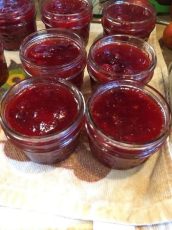
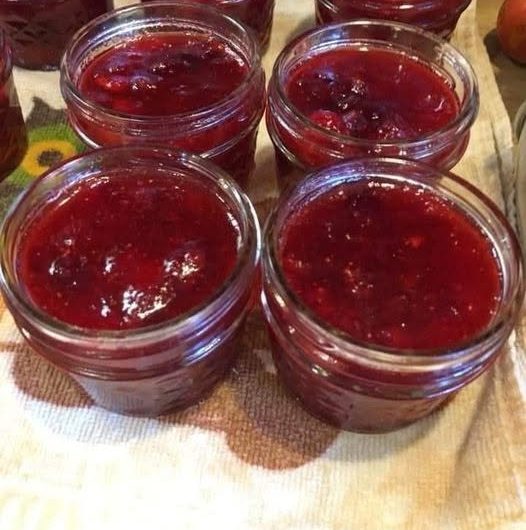
The combination of strawberries and cranberries is the foundation of this festive homemade jam. Strawberries contribute a familiar sweetness and soft fruit texture that makes the preserve enjoyable on everyday breakfast foods. Cranberries provide a sharper flavor that creates contrast and keeps the mixture balanced. When these two fruits are cooked together, their natural colors blend into a rich red preserve that looks particularly attractive in glass Mason jars. The cranberries also contribute natural acidity, which complements the sweetness of the strawberries and sugar. For this recipe, frozen strawberries are convenient and can be thawed completely or partially before chopping. Fresh cranberries or frozen cranberries can also be used, depending on availability. Maintaining a slightly chunky texture is important because small pieces of fruit make the finished jam more interesting and give every spoonful a homemade character.
How Orange Zest Improves the Flavor
Orange zest is a small ingredient that makes a noticeable difference in the overall flavor of Christmas Jam. It provides concentrated citrus oils that release a fresh fragrance when combined with warm fruit and spices. Unlike orange juice, which adds liquid, zest contributes a bright orange aroma without significantly changing the consistency of the mixture. For the best results, use the colored outer layer of the orange peel and avoid grating too deeply into the white pith underneath. The white portion can introduce an unpleasant bitterness that may affect the flavor of the finished preserve. Two oranges provide approximately two tablespoons of zest for this recipe. When the zest cooks with strawberries, cranberries, cinnamon, cloves, and allspice, it creates a pleasant citrus background that complements the natural tartness of the cranberries and gives the jam its distinctive holiday character.
The Importance of Cinnamon, Cloves, and Allspice
Traditional holiday spices give this strawberry cranberry Christmas Jam its recognizable seasonal personality. Cinnamon contributes a familiar sweet warmth, cloves add a stronger aromatic note, and allspice brings a rounded flavor that complements both fruits. The recipe uses measured quantities of each spice so that the fruit remains the main attraction rather than becoming overwhelmed by seasoning. These ingredients work particularly well with orange zest because citrus helps brighten their deeper aromas. As the fruit mixture heats, the spices gradually release their fragrance, filling the kitchen with a comforting smell associated with winter baking and holiday cooking. Although it may be tempting to increase the spices, it is best to follow the original measurements when preparing the first batch. This allows the strawberries, cranberries, and orange zest to remain clearly noticeable in the finished homemade jam.
Understanding the Role of Granulated Sugar
Granulated sugar is an essential part of this Christmas Jam recipe. It does more than sweeten the strawberries and cranberries because it also plays an important role in the interaction between fruit pectin and the natural acidity of the fruit. The recipe calls for four pounds of granulated sugar, which should be measured accurately rather than estimated. Although this may seem like a generous amount, changing the quantity can affect the final texture and setting behavior. Sugar also helps create the glossy appearance associated with traditional homemade fruit preserves. For reliable results, follow the ingredient quantities provided in the recipe card. Reduced-sugar alternatives and sugar substitutes should not be treated as direct replacements because different pectin products have different requirements. If you want to experiment with a lower-sugar version, choose a pectin specifically designed for that purpose and follow its tested instructions rather than simply reducing the sugar in this recipe.
Why Liquid Fruit Pectin Is Necessary
Liquid fruit pectin is the ingredient that helps transform the cooked fruit mixture into a spreadable jam. Although strawberries and cranberries contain natural pectin, the amount available in the fruit can vary. Adding liquid fruit pectin helps create a more predictable setting process when used with the specified sugar and cooking method. The recipe requires two three-ounce pouches, which should be added at the correct stage of preparation. The timing matters because pectin needs the appropriate combination of heat, sugar, and acidity to produce the desired consistency. Avoid substituting powdered pectin without following a tested conversion and preparation method. Liquid and powdered pectin are not always interchangeable in equal amounts, and their instructions can differ. Using the correct product and following the specified boiling times will help you achieve a jam that spreads easily once it has cooled and finished setting.
Essential Equipment for Making Homemade Christmas Jam
Having the right equipment ready before cooking makes the entire jam-making process easier and more organized. You will need sterilized half-pint Mason jars and compatible lids for storing the finished preserve. A sterilized canning funnel helps transfer the hot mixture without making a mess around the jar openings. Canning tongs are useful for lifting hot jars safely during water-bath processing. A spacious saucepan or large Dutch oven is important because fruit, sugar, and pectin can bubble vigorously as they boil. You will also need a food processor or potato masher to prepare the strawberries and cranberries, along with a wooden spoon for stirring. Preparing your equipment before heating the fruit prevents unnecessary delays when the jam is ready to be transferred into jars. Keep clean towels nearby for handling hot equipment and maintaining an organized preparation area.
Choosing Fresh or Frozen Fruit
This Christmas Jam recipe is convenient because it allows you to use either fresh or frozen fruit. Frozen strawberries are particularly practical when fresh berries are expensive or unavailable. The specified recipe uses forty ounces of frozen unsweetened strawberries, which can be thawed completely or partially before preparation. If fresh strawberries are preferred, the listed alternative is two and one-half quarts of fresh hulled strawberries. For the cranberries, use one pound of fresh or frozen fruit. Frozen cranberries can also be thawed partially before chopping. The most important consideration is maintaining the correct fruit quantities because the balance between fruit, sugar, and pectin affects the final result. Weighing the fruit is more reliable than estimating its volume, especially when working with frozen berries. Remove any damaged fruit and prepare everything before beginning the cooking process.
Preparing the Strawberries and Cranberries Correctly
The first preparation step is to chop the strawberries and cranberries into smaller pieces. A food processor makes this task quicker, but a manual chopping method also works. If using a food processor, pulse the fruit in short bursts instead of running the machine continuously. The goal is to create a coarse mixture with visible fruit pieces rather than a smooth purée. Keeping some texture in the fruit gives the finished Christmas Jam a more homemade appearance and a pleasant consistency. Transfer the chopped fruit into a large Dutch oven or another spacious cooking pot. If your strawberries are partially frozen, allow them to soften enough to make chopping manageable. Avoid adding unnecessary water during preparation because the recipe already contains the ingredients needed to produce the correct fruit mixture. Once both fruits are prepared, you are ready to add the orange zest and spices.
Combining the Fruit with Sugar and Holiday Spices
After preparing the fruit, add the orange zest, ground cinnamon, ground cloves, allspice, and granulated sugar to the large cooking pot. Stir everything together so that the sugar begins coating the chopped strawberries and cranberries. Make sure the spices are distributed evenly throughout the mixture rather than remaining concentrated in one area. As the fruit heats, it will release moisture and the sugar will dissolve into the developing syrup. Use a large pot because the mixture can expand and produce substantial bubbling as it reaches a rolling boil. Stir occasionally while bringing the ingredients to temperature, paying attention to the bottom and sides of the pot. This helps prevent sticking and encourages even heating. At this stage, the mixture should have a vibrant red color with small pieces of fruit and visible aromatic ingredients distributed throughout.
Achieving the Correct Rolling Boil
Reaching a full rolling boil is an important part of preparing homemade jam. A rolling boil is a vigorous boil that continues even while the mixture is being stirred. Once the strawberry, cranberry, sugar, and spice mixture reaches this stage, boil it for exactly one minute according to the supplied recipe. Use a timer to keep track of the cooking period because timing is important when working with fruit pectin. Avoid leaving the pot unattended during this step, as sugary fruit mixtures can bubble up quickly. Continue stirring as necessary while maintaining the boil. A spacious cooking vessel provides room for the mixture to expand and reduces the risk of overflowing. Once the first minute has passed, remove the pot from the heat and prepare to incorporate the liquid fruit pectin as directed.
Adding Liquid Pectin for the Perfect Jam Texture
After the initial boiling stage, stir in both three-ounce pouches of liquid fruit pectin. Mix thoroughly so the pectin is incorporated throughout the fruit mixture. Return the pot to the heat and bring the contents back to a full rolling boil. Once the mixture reaches that vigorous boiling point, continue boiling for another exact minute. This second boiling stage is part of the original recipe’s setting method. Keep stirring carefully and monitor the pot because the mixture can become quite active during cooking. Avoid adding extra pectin simply because the jam looks thin while hot. The finished consistency develops as the mixture cools, and judging the texture directly from the hot pot can be misleading. Following the ingredient quantities and cooking sequence is the best way to maintain consistency between batches.
Cooling the Jam and Removing Surface Foam
When the second boiling period is complete, remove the pot from the heat and allow the jam to cool for five minutes. During this short resting period, some foam may collect on the surface. Use a clean spoon to remove the excess foam before filling the jars. Skimming improves the appearance of the finished preserve and helps create a cleaner presentation in the glass containers. Do not be concerned if the mixture still appears relatively thin at this point. Hot jam is naturally more fluid than cooled jam, and the setting process continues after cooking. Stir gently if needed, but avoid excessive handling that could interfere with the texture. Having the jars and funnel ready before this stage will make filling easier and reduce the amount of time the mixture sits in the pot.
Preparing Mason Jars for Safe Filling
Clean and properly prepared Mason jars are essential when making homemade preserves. For this recipe, use half-pint jars with compatible lids. Wash the jars thoroughly and prepare them according to the manufacturer’s instructions and current home-canning guidance. Keep the jars hot before filling so that they are ready to receive the hot jam. A canning funnel is helpful because it allows you to pour the mixture into the jars more accurately while keeping the rims clean. Use suitable canning tongs when handling hot jars and lids. Before beginning, check that the jars are free from cracks, chips, or other damage that could interfere with sealing. Preparing the equipment in advance makes the filling stage more efficient and helps maintain a clean working environment throughout the preservation process.
Filling the Jars and Leaving the Correct Headspace
Carefully ladle the warm Christmas Jam into the prepared half-pint Mason jars. Leave approximately one-quarter inch of headspace at the top of each jar, as specified in the original recipe. Headspace is the small gap between the surface of the jam and the underside of the lid. It allows room for expansion during processing and helps create the conditions needed for a proper vacuum seal. Avoid filling the jars too close to the rim because excess jam can interfere with sealing. If any preserve spills onto the jar opening, clean the rim according to your canning equipment instructions before applying the lid. Secure the lids using the manufacturer’s recommended method. Work carefully because both the jam and jars will be hot. Consistent filling also makes the finished jars look attractive, especially if you plan to use them for Christmas gifts.
Processing Christmas Jam in a Boiling Water Bath
Once the jars have been filled and closed, the supplied recipe calls for processing them in a boiling-water bath for ten minutes. Use a proper boiling-water canner, ensuring the jars are processed according to a reliable, tested canning procedure. The processing time and method must be suitable for the recipe, jar size, altitude, and canning equipment. Do not assume that a lid sealing by itself proves that the contents have been safely preserved. Follow current food-preservation guidance for altitude adjustments and handling. Use canning tongs to lower and remove the jars safely. Keep the jars upright during processing and avoid unnecessary movement afterward. Proper canning procedures are particularly important when preparing fruit preserves for long-term pantry storage. Once processing is complete, transfer the jars carefully to a clean towel or heat-resistant surface.
Why the Jars Need Twelve Hours of Resting Time
After removing the jars from the water bath, place them upright on a towel and allow them to cool undisturbed at room temperature for twelve hours. Avoid tightening the lids, pressing the centers, or moving the jars while they are cooling. During this period, the lids may make a popping sound as a vacuum seal forms. This is a normal part of the cooling process, although the sound alone should not be considered proof of a successful seal. After the resting period, inspect each jar carefully. Any jar that has failed to seal should be refrigerated and treated as an unsealed preserve. The jam itself will also continue developing its texture as it cools. Giving the jars enough time to rest helps the preserve settle and makes it easier to assess the final consistency before storage.
How Long Does Homemade Christmas Jam Take to Set?
One common question when preparing homemade jam is why the mixture sometimes looks thinner than expected immediately after cooking. This is normal because the preserve is still hot and the pectin has not completed its setting process. According to the supplied recipe information, the jam may continue thickening over the next twenty-four to forty-eight hours. The texture gradually becomes more concentrated and spreadable as the mixture cools and rests. Avoid adding additional pectin or cooking the mixture again simply because it appears loose during the first few hours. Instead, allow the jars to remain undisturbed during the recommended resting period. Temperature, fruit characteristics, and the type of pectin used can influence the final texture. Following the original quantities and method gives you the best opportunity to achieve a consistent result.
Best Ways to Serve Christmas Jam
Christmas Jam is much more versatile than a simple breakfast spread. Its combination of sweet strawberries, tart cranberries, orange zest, and warm spices makes it suitable for many holiday dishes. Spread it over buttered toast, English muffins, homemade biscuits, or warm dinner rolls for an easy festive breakfast. It also tastes delicious spooned over pancakes, waffles, and French toast. For a simple dessert, serve a little jam with plain yogurt, cheesecake, or vanilla-flavored desserts. You can also use it as a sweet accompaniment to a holiday cheese board, pairing it with suitable cheeses and crackers. Its rich red color makes it attractive for entertaining, while its fruit-forward flavor offers something different from ordinary preserves. A small spoonful can also brighten a bowl of oatmeal or a simple breakfast parfait.
Creative Ways to Use Christmas Jam in Holiday Cooking
Beyond breakfast, homemade Christmas Jam can be incorporated into a variety of sweet and savory dishes. Its sweet-tart flavor works especially well as a filling for thumbprint cookies, sandwich cookies, pastries, and homemade cakes. You can spread a thin layer between cake layers or swirl a spoonful into dessert mixtures when you want a fruity holiday touch. Another delicious idea is to warm a small amount of jam and serve it as a topping for baked desserts or vanilla ice cream. For savory meals, the preserve can be used as an accompaniment to roasted meats or included in a suitable homemade glaze. The cranberries bring a tangy element that works nicely with richer flavors. Since the jam already contains cinnamon, cloves, allspice, and orange zest, it offers plenty of seasonal flavor without requiring additional ingredients.
How to Store Homemade Christmas Jam
Proper storage is important for maintaining the flavor, quality, and safety of homemade fruit preserves. After the jars have cooled completely, inspect each lid to determine whether it has sealed correctly. Properly sealed jars should be stored in a cool, dry, dark place, provided the recipe and processing method have been verified as suitable for shelf-stable canning. The supplied recipe information suggests pantry storage for up to eight months. However, storage duration should follow current tested home-canning recommendations rather than relying on appearance alone. Any jar that has not sealed properly should be refrigerated promptly. The recipe card recommends consuming unsealed jam within one month, while the accompanying source information gives a shorter three-week period. Following the more conservative three-week period is a sensible approach. Always use a clean spoon when serving the preserve and check for signs of spoilage before eating.
Can You Make Christmas Jam with Fresh Strawberries?
Yes, fresh strawberries can be used instead of frozen strawberries in this recipe. The original ingredient list provides an alternative quantity of two and one-half quarts of fresh strawberries, with the berries hulled before preparation. Choose ripe strawberries that are fragrant, firm, and free from visible damage. Wash them thoroughly, remove the green tops, and allow excess water to drain before chopping. Fresh fruit may have a slightly different moisture content and texture compared with frozen fruit, but the recipe is designed to accommodate either option. Cranberries can also be fresh or frozen, making this a flexible recipe for different seasons. Regardless of the fruit you select, maintain the specified quantities and avoid blending everything into a smooth liquid. Coarsely chopped fruit is important for achieving the characteristic texture of this festive strawberry cranberry jam.
Can You Adjust the Holiday Spice Levels?
The cinnamon, cloves, and allspice give Christmas Jam its warm seasonal flavor, but personal preferences can vary. Some people enjoy a stronger cinnamon aroma, while others prefer the natural fruit flavors to remain more noticeable. The original recipe includes one-half teaspoon of ground cinnamon, one-half teaspoon of ground cloves, and one-quarter teaspoon of allspice. These measurements create a balanced starting point for the finished preserve. If you are experimenting with another batch, you can explore different spice combinations, but remember that changing the recipe may produce a different flavor. For the most predictable first attempt, follow the original measurements exactly. Orange zest should also remain part of the mixture because its citrus fragrance helps balance the deeper spice notes and gives the jam a brighter overall taste.
Making a Smaller Batch of Christmas Jam
If you do not need a large quantity of homemade jam, preparing a smaller batch may seem appealing. The original recipe information suggests halving the ingredients while maintaining the same proportions. This means reducing the quantities of strawberries, cranberries, orange zest, spices, sugar, and pectin together rather than changing individual ingredients independently. However, reducing a canning recipe requires care because the cooking behavior, pectin setting, and processing instructions may not remain identical. Do not automatically assume that the original boiling and water-bath processing times are appropriate for a modified batch. For a smaller quantity, use a tested recipe specifically designed for that batch size or prepare a refrigerator preserve without claiming shelf stability. Keeping the ingredient balance consistent is important, but safe preservation procedures must also be appropriate for the revised preparation.
Common Mistakes to Avoid When Making Christmas Jam
A few simple mistakes can affect the texture and appearance of homemade jam. One common problem is overprocessing the fruit in a food processor. Turning the strawberries and cranberries into a smooth purée removes the small fruit pieces that give this recipe its chunky character. Another mistake is estimating the fruit quantities instead of weighing them, which can change the balance of the mixture. Using less sugar or substituting another sweetener without the appropriate pectin instructions can also affect the setting process. It is equally important to use the correct liquid pectin quantity and follow the boiling sequence carefully. Finally, avoid filling the jars without leaving the specified quarter-inch headspace. Preparing the equipment in advance, following the measurements, and allowing enough cooling time will help make the process more manageable and consistent.
Christmas Jam as a Thoughtful Homemade Holiday Gift
A jar of homemade Christmas Jam makes a lovely seasonal gift because it combines attractive presentation with something delicious and practical. The rich red color looks beautiful inside clear half-pint Mason jars, especially when the jars are decorated with festive fabric covers, ribbons, or simple handwritten labels. You can prepare several jars for holiday gift baskets, family gatherings, neighbors, teachers, and friends. Pairing a jar with homemade biscuits, a small loaf of bread, or a selection of breakfast treats creates an especially charming present. Make sure the jars are properly processed and sealed before presenting them as shelf-stable gifts. Include the preparation date and storage instructions on the label. A thoughtful presentation makes this strawberry cranberry preserve feel even more special, while the homemade flavor gives recipients something enjoyable to share during the holiday season.
Frequently Asked Questions About Christmas Jam
Can Christmas Jam be made with frozen fruit? Yes. Frozen strawberries and cranberries are suitable for this recipe. The strawberries can be thawed completely or partially before chopping, and the same applies to frozen cranberries. Does the recipe require four pounds of sugar? Yes. The structured recipe specifies four pounds of granulated sugar, and this quantity should be followed for the original preparation. Can the sugar be reduced? Reducing sugar can affect the setting process. A low-sugar pectin product and a separately tested recipe are better choices than simply reducing the sugar. Can sugar substitutes be used? Ordinary sugar substitutes are not direct replacements in traditional pectin recipes. Follow the instructions for a pectin specifically formulated for alternative sweeteners. Can powdered pectin replace liquid pectin? Not automatically. The products may require different quantities and cooking methods, so use a tested conversion rather than substituting equal amounts.
More Questions About Preparing and Preserving This Recipe
Can Christmas Jam be frozen? The supplied recipe does not provide a tested freezing method. If you want to freeze a batch, use a recipe and container specifically suitable for freezer storage, leaving the required expansion space. Why does my jam look runny after cooking? Hot jam naturally appears thinner, and the supplied instructions allow another twenty-four to forty-eight hours for the texture to develop. Why should I avoid puréeing the fruit? Coarsely chopped berries produce a more traditional chunky texture, with small pieces of strawberry and cranberry throughout the preserve. How much headspace should I leave? The original recipe specifies one-quarter inch. What should I do if a jar does not seal? Refrigerate the unsealed jar promptly and follow the recommended refrigerated storage period. How long should the jars rest? The recipe specifies twelve hours at room temperature before checking the seals. For long-term pantry storage, always rely on a verified canning procedure appropriate to your conditions.
Helpful Notes for Consistent Results
For the best outcome, weigh the strawberries and cranberries rather than relying entirely on visual estimates. If you are using frozen fruit, thaw it in the refrigerator or leave it partially frozen if that makes chopping easier. Use short pulses in the food processor to maintain small pieces instead of producing a smooth purée. Prepare your jars and canning equipment before starting the cooking process so you are ready when the jam reaches the required stage. Use a timer for both one-minute boiling periods, and do not guess at the cooking time. Measure the liquid pectin carefully, keep the quarter-inch headspace consistent, and allow the jars to cool without disturbance. Most importantly, remember that the final jam texture develops after cooking. Allow adequate resting time before deciding whether the preserve has reached the consistency you want.
Enjoy the Taste of Christmas Throughout the Year
Homemade Christmas Jam is a delicious way to bring familiar holiday flavors into everyday meals. The combination of sweet strawberries, tart cranberries, fragrant orange zest, cinnamon, cloves, and allspice creates a preserve that is colorful, aromatic, and easy to enjoy in many different ways. Whether you serve it with toast during a relaxed weekend breakfast, add it to a holiday dessert, or present it as a homemade gift, this festive fruit jam offers something special for the season. Its preparation is straightforward when you organize the ingredients and equipment before cooking, and its beautiful appearance makes it particularly suitable for holiday entertaining. Follow the specified ingredient quantities, use the correct liquid pectin, and pay careful attention to safe canning practices. With proper preparation and storage, you can enjoy the delicious character of strawberry cranberry Christmas Jam well beyond the holiday celebrations.
Part 2: Christmas Jam Recipe Card
Christmas Jam – Strawberry Cranberry Holiday Jam
Description:
A festive homemade Christmas Jam made with strawberries, cranberries, fresh orange zest, cinnamon, cloves, and allspice. This sweet and tangy fruit preserve has a beautiful red color and a delicious holiday-inspired flavor. Perfect for toast, biscuits, pancakes, breakfast spreads, desserts, and homemade Christmas gifts.
Preparation & Cooking Duration:
- Preparation Time: 10 minutes
- Cooking Time: 1 hour
- Chilling and Resting Time: 12 hours
- Additional Setting Time: 24–48 hours, if needed
Serving: 10 servings
Course: Dessert
Ingredients
- 40 ounces frozen unsweetened strawberries, thawed or partially thawed (or substitute with 2½ quarts fresh strawberries, hulled)
- 1 lb. fresh or frozen cranberries, thawed or partially thawed
- Zest from 2 oranges (about 2 tablespoons)
- ½ teaspoon ground cinnamon
- ½ teaspoon ground cloves
- ¼ teaspoon allspice
- 4 lbs. granulated sugar
- 2 pouches (3 ounces each) liquid fruit pectin
Step-by-Step Instructions
1. Prepare the Fruit
Coarsely chop the strawberries and cranberries using a food processor or grinder. Pulse briefly to maintain small fruit pieces instead of creating a smooth purée. Transfer the prepared fruit into a large Dutch oven.
2. Add Sugar and Spices
Add the orange zest, ground cinnamon, ground cloves, allspice, and granulated sugar. Stir everything together until the ingredients are evenly combined.
3. Bring the Mixture to a Boil
Heat the fruit mixture, stirring occasionally, until it reaches a full rolling boil. Once boiling, continue cooking for exactly 1 minute.
4. Incorporate the Liquid Pectin
Remove the pot from the heat and stir in both pouches of liquid fruit pectin. Return the pot to the stove and bring the mixture back to a full rolling boil. Boil for another exact minute.
5. Allow the Jam to Cool
Remove the pot from the heat and let the mixture rest for 5 minutes. Skim any foam from the surface using a clean spoon. The jam may look thin while hot, but it will gradually thicken as it cools.
6. Fill the Mason Jars
Carefully ladle the hot jam into hot, sterilized half-pint Mason jars. Leave approximately ¼ inch of headspace at the top of each jar. Clean the rims and secure the lids according to the manufacturer’s instructions.
7. Process the Jars
Process the filled jars in a boiling-water bath for 10 minutes, following a tested canning procedure and any necessary altitude adjustments. Carefully remove the jars using canning tongs.
8. Let the Jars Rest
Place the jars upright on a clean towel and allow them to cool undisturbed at room temperature for 12 hours. Check the seals after cooling. Refrigerate any jars that have not sealed properly.
9. Allow the Jam to Set
The preserve may continue thickening over the following 24–48 hours. Allow sufficient time for the texture to develop before judging the final consistency.
Notes
- Weigh the fruit to maintain accurate ingredient proportions.
- Frozen strawberries can be thawed in the refrigerator or used partially thawed.
- Avoid overprocessing the fruit because a chunky texture gives the jam a better homemade appearance.
- Use a timer to measure both one-minute boiling periods accurately.
- Keep the original sugar and pectin quantities for this recipe.
- Leave ¼ inch of headspace when filling the jars.
- Fresh strawberries and cranberries can be used instead of frozen fruit.
- Properly sealed jars should only be stored at room temperature when the recipe and canning process have been verified as suitable for shelf-stable preservation.
- Refrigerate unsealed jars promptly and consume within three weeks as a conservative storage guideline.
- Do not substitute powdered pectin or sugar alternatives without following a suitable tested recipe.
Nutritional Information
Approximate nutrition information as supplied with the original recipe:
- Calories: 47 kcal
- Fat: 1 g
- Sodium: 1 mg
- Potassium: 14 mg
- Carbohydrates: 12 g
- Fiber: 1 g
- Sugar: 12 g
- Protein: Not provided
Note: The supplied nutritional figures may be incomplete or inconsistent with the listed ingredients. Actual nutritional values will depend on the final yield and serving size.
Reconcile the nutrition and serving detailsSeparate preserving from refrigerator jam