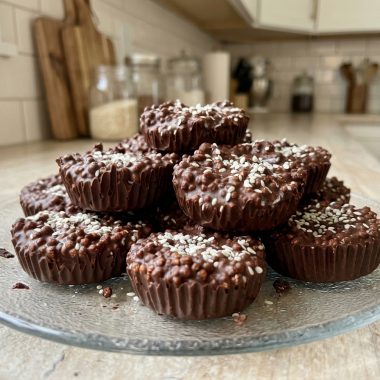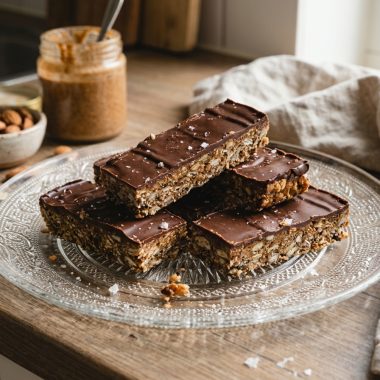
High Protein Chocolate Peanut Butter Eggs are a delicious no-bake treat that combines creamy peanut butter, rich dark chocolate, and a naturally sweet filling in one satisfying bite. Inspired by classic Reese’s peanut butter eggs, this homemade version offers the same familiar combination of sweet and salty flavors with a protein boost.
They are perfect for Easter celebrations, afternoon snacks, meal preparation, or whenever you want something chocolatey without spending hours in the kitchen.
These homemade chocolate peanut butter eggs are made with simple ingredients, including almond flour, protein powder, natural peanut butter, maple syrup, and dark chocolate chips. The peanut butter filling has a soft, slightly chewy texture, while the chocolate coating creates a firm outer layer that melts pleasantly in your mouth. A little flaky sea salt on top brings all the flavors together and makes each bite even more enjoyable.
Unlike many traditional peanut butter candy recipes, these high protein peanut butter eggs do not require baking. You simply mix the filling, shape it into eggs, freeze until firm, and dip each piece into melted chocolate. The preparation is straightforward, making this recipe suitable for beginners and experienced home cooks alike. You can also prepare a batch ahead of time and keep the eggs in your freezer for an easy homemade snack.
This Peanut Butter Egg Recipe
One of the best things about these high protein chocolate peanut butter eggs is how easily they come together. You do not need special baking equipment, complicated techniques, or long preparation steps. A mixing bowl, spoon, baking sheet, parchment paper, and microwave are enough to prepare the entire recipe. Even if you have limited experience making homemade candy, the simple process makes it easy to achieve delicious results.
Another reason to enjoy this recipe is the combination of protein and healthy fats. Peanut butter and protein powder contribute to the protein content, while almond flour adds texture and richness. These ingredients make the filling more satisfying than a basic peanut butter and sugar mixture. Each egg contains approximately 9 grams of protein according to the supplied nutritional information.
The chocolate coating is another highlight. Dark chocolate provides a rich cocoa flavor that balances the sweetness of maple syrup and the natural taste of peanut butter. Adding a little olive oil helps the melted chocolate become smoother, making it easier to coat each egg evenly.
These treats are also easy to customize. You can use crunchy or smooth peanut butter depending on your preferred texture. If you enjoy different flavors, you can experiment with other nut or seed butters. You can even change the chocolate coating to milk chocolate for a sweeter finish.
Tips for Making Perfect Chocolate Peanut Butter Eggs
Use the Right Peanut Butter Consistency
The consistency of your peanut butter can affect the texture of the filling. Natural peanut butter that is very runny may produce a softer mixture, while thicker peanut butter can create a firmer dough. Stir your peanut butter well before measuring so the oils and solids are evenly combined.
Adjust the Filling Before Shaping
Your protein powder may absorb moisture differently depending on its ingredients and brand. The original measurements should remain the starting point, but make sure the mixture is thick enough to hold its shape. If it feels too soft, chilling it before shaping can make the process easier.
Keep the Eggs Properly Chilled
Freezing the peanut butter filling before dipping is one of the most important steps. Cold eggs are easier to handle and help the chocolate coating set more quickly. Avoid leaving the shaped eggs at room temperature for too long while preparing the chocolate.
Use a Fork for Smooth Chocolate Coating
A fork is useful for dipping because it allows excess chocolate to drain away. This helps prevent thick pools of chocolate from collecting around the bottom of each egg. It also makes transferring the coated treats back to the parchment paper much easier.
Reheat Chocolate Carefully
Melted chocolate can become thick as it cools, especially when you are dipping several frozen eggs. If this happens, warm it in 10-second microwave intervals and stir between each interval. Gentle reheating helps maintain a smooth consistency without overheating the chocolate.
Easy Ways to Customize This Recipe
One advantage of making homemade chocolate peanut butter eggs is that you can adjust the flavor to suit your preferences. If you enjoy a little extra texture, crunchy peanut butter is an excellent choice. For a softer and smoother center, use creamy peanut butter instead. Both options work with the other ingredients in the recipe.
You can also use your favorite nut or seed butter if you do not want to use peanut butter. Almond butter or sunflower seed butter can provide a different flavor while maintaining the general idea of the recipe. Keep in mind that different nut and seed butters may have different consistencies, so the final filling texture may vary.
The chocolate coating is equally flexible. Dark chocolate creates a rich and slightly bitter contrast with the sweet filling, while milk chocolate produces a sweeter candy-style finish. You can choose whichever variety you enjoy most, depending on your taste preferences.
For a seasonal presentation, shape the filling into different forms instead of eggs. Small rounds can resemble homemade peanut butter cups, while other simple shapes can be used for different celebrations. The basic preparation method remains the same, making this a versatile recipe throughout the year.
Are High Protein Peanut Butter Eggs Healthy?
These homemade peanut butter eggs offer a different approach to traditional chocolate candy. They contain ingredients such as peanut butter, almond flour, and protein powder, which contribute protein and fats. Maple syrup provides sweetness, while dark chocolate creates the familiar chocolate coating.
According to the supplied nutrition information, each egg contains approximately 283 calories, 9 grams of protein, 21 grams of carbohydrates, and 20 grams of fat. This makes them a relatively rich snack, so serving size is worth considering when including them in your daily eating routine.
Although the recipe uses simple ingredients and avoids adding refined sugar directly to the filling, the dark chocolate chips may still contain added sugar. The nutritional content also depends on the specific protein powder, peanut butter, and chocolate you choose. For this reason, these treats are best enjoyed as part of a balanced diet rather than considered a low-calorie snack.
How to Store Homemade Peanut Butter Eggs
Proper storage helps maintain the texture and flavor of these homemade chocolate peanut butter eggs. Since the recipe is designed to be stored in the freezer, transferring the finished treats to an airtight container is the easiest option. Keep them separated in layers if necessary to prevent the chocolate coating from sticking together.
Store the eggs in the freezer and remove only the quantity you plan to enjoy. You can eat them directly from the freezer for a firmer texture or allow them to soften slightly before serving. Avoid leaving them out for extended periods, especially in a warm kitchen, because the peanut butter filling and chocolate coating can soften.
These treats are also convenient for preparing ahead of Easter celebrations, family gatherings, or weekly snacks. Making a batch in advance means you can enjoy a homemade chocolate treat whenever you want without repeating the preparation process.
Frequently Asked Questions
Can I Use Smooth Peanut Butter Instead of Crunchy?
Yes, both crunchy and smooth peanut butter work well in this recipe. Crunchy peanut butter creates a filling with small peanut pieces, while smooth peanut butter produces a more uniform and creamy center. Choose whichever texture you prefer.
Can I Make These Peanut Butter Eggs Without Protein Powder?
Protein powder is part of the original recipe and contributes to the structure and nutritional profile of the filling. Removing it will change the texture and protein content, so the recipe may require adjustments to achieve the same consistency.
Can I Use Milk Chocolate Instead of Dark Chocolate?
Yes, milk chocolate can be used if you prefer a sweeter coating. Dark chocolate provides a richer flavor and balances the sweetness of the peanut butter filling, while milk chocolate creates a taste closer to traditional candy eggs.
Why Do I Need to Freeze the Peanut Butter Filling?
Freezing helps the shaped peanut butter eggs become firm enough to handle during dipping. Without chilling, the filling may soften in the melted chocolate and become difficult to coat evenly. The initial 30-minute freezing period makes this step much easier.
Can I Use Coconut Oil Instead of Olive Oil?
Yes, coconut oil is mentioned as an alternative in the original recipe. It helps improve the consistency of the melted chocolate and makes dipping easier. Use the same quantity specified for olive oil.
Are These Peanut Butter Eggs Gluten-Free?
The listed ingredients are generally gluten-free when individually sourced and certified where necessary. Almond flour and pure peanut butter do not naturally contain gluten, but protein powders and chocolate products can vary. Always check product labels for potential gluten-containing ingredients or cross-contact warnings.
Can I Prepare These Treats Ahead of Time?
Yes, these no-bake peanut butter eggs are excellent for making ahead. Prepare the filling, shape the eggs, coat them in chocolate, and freeze until set. Store them in an airtight container in the freezer so they are ready whenever you need a quick homemade treat.

High Protein Peanut Butter Eggs
These homemade High Protein Chocolate Peanut Butter Eggs feature a creamy peanut butter and protein filling covered in rich dark chocolate with a sprinkle of flaky sea salt.
14
servings15
minutes2
hours283
kcal2
hours15
minutesIngredients
1 cup almond flour
½ tsp sea salt
¼ cup Botanica Health protein powder
1 cup organic crunchy peanut butter
¼ cup maple syrup
½ tsp vanilla
1½ cups dark chocolate chips
1 tsp olive oil
Flaky sea salt
Directions
- Prepare the Baking Sheet
Line a cookie sheet with parchment paper and make sure it fits inside your freezer. - Combine Dry Ingredients
Add almond flour, protein powder, and sea salt to a mixing bowl. Stir until evenly combined. - Prepare the Filling
Add peanut butter, maple syrup, and vanilla extract. Mix thoroughly until a thick dough forms. - Shape the Eggs
Scoop approximately 2 tablespoons of mixture, roll gently, and shape into an egg. Arrange on the prepared baking sheet. - Freeze the Filling
Place the shaped eggs in the freezer for approximately 30 minutes until firm. - Melt the Chocolate
Microwave dark chocolate chips in 30-second intervals, stirring between each interval until smooth. Add olive oil and stir until glossy. - Dip the Eggs
Use a fork to dip each chilled peanut butter egg into the melted chocolate, coating all sides. Remove excess chocolate and return each egg to the parchment paper. - Add Sea Salt
Drizzle with remaining melted chocolate if desired and sprinkle the tops with flaky sea salt. - Freeze Until Set
Return the baking sheet to the freezer for approximately one hour until the chocolate coating is completely firm. - Store
Transfer the finished peanut butter eggs to an airtight container and store in the freezer.
Notes
- Both crunchy and smooth peanut butter work well.
- Your favorite nut or seed butter can be used instead of peanut butter.
- Dark chocolate can be replaced with milk chocolate.
- Coconut oil can be used instead of olive oil.
- If the filling feels too soft, chill it before shaping.
- If the melted chocolate thickens, reheat in 10-second microwave intervals, stirring between each interval.
- Store the finished eggs in an airtight container in the freezer.
Nutrition Facts
- Calories: 283kcal
- Fat: 20g
- Carbohydrates: 21g
- Fiber: 3g
- Sugar: 12g
- Protein: 9g