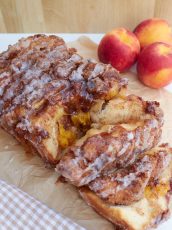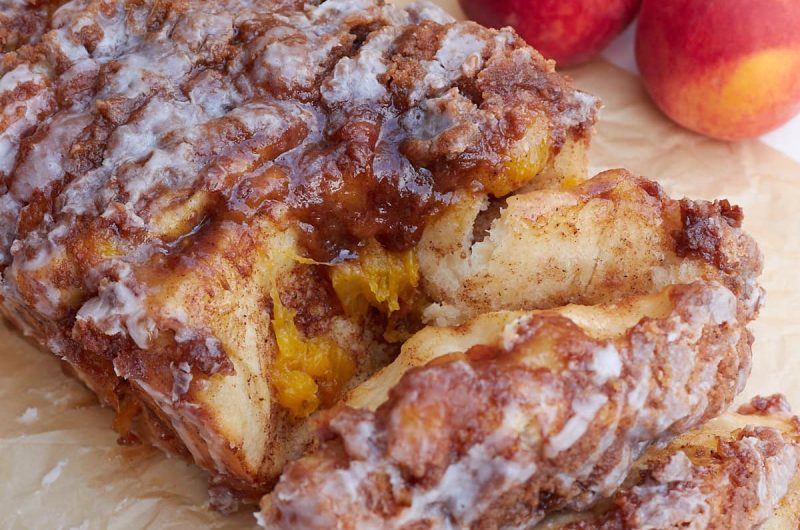
Sourdough Apple Fritter Bread is a tender, cinnamon-filled quick bread made with sourdough discard, fresh apples, butter, and a sweet vanilla glaze. It has the comforting flavor of a classic apple fritter but comes together in a loaf pan rather than requiring frying. The center is soft and cake-like, while diced apples add juicy pockets of fruit throughout every slice. A generous ribbon of cinnamon sugar runs through the loaf, giving it that familiar bakery-style apple fritter flavor. Once baked, the bread is cooled and finished with a simple powdered sugar glaze that melts slightly over the warm surface. This easy sourdough discard recipe is especially useful when you have extra starter in the refrigerator and want to turn it into a homemade breakfast, snack, or dessert.
Why This Apple Bread Is Worth Baking
There is something especially appealing about an apple bread that combines the texture of a tender cake with the warm spices of an apple fritter. Instead of deep-frying individual pieces of dough, this recipe uses a loaf pan to create a simple baked version that can be sliced and served. The sourdough discard contributes to the character of the loaf without making it taste strongly sour, while butter and sugar create a rich, delicate crumb. Fresh apples bring moisture and natural sweetness, and the cinnamon sugar layer gives the bread a distinct swirl when sliced. The vanilla icing is the finishing touch, adding sweetness without requiring a complicated frosting. It is an approachable sourdough discard baking recipe that works well for breakfast, afternoon tea, brunch, or a casual homemade dessert.
How Sourdough Discard Works in This Recipe
Sourdough discard is an excellent ingredient for quick breads because it can be used without waiting for another fermentation period. Unlike traditional sourdough bread, this recipe does not depend on the discard alone to make the loaf rise. Baking powder provides the main lift, allowing the batter to bake into a soft and tender loaf. The discard adds flavor and makes practical use of starter that might otherwise be thrown away. Using room-temperature discard also helps it blend more easily with the butter, egg, milk, and other ingredients. This makes the recipe particularly convenient for anyone who maintains a sourdough starter but does not want to bake traditional sourdough bread every time they have excess starter available.
The Apples Make the Bread Special
Fresh apples are the heart of this recipe, and the way they are prepared can change the texture of the finished loaf. The original recipe uses 150 grams of peeled and diced apples, which gives you small pockets of soft fruit throughout the bread. Apples such as Gala or Honeycrisp provide a naturally sweet flavor, while Granny Smith apples bring a more noticeable tartness that balances the sugar and glaze. The pieces should be reasonably even so they cook at a similar rate. Larger chunks will create more obvious pieces of apple in each slice, while smaller pieces distribute the fruit more evenly. Because apples contain water, they also contribute moisture to the loaf, helping create the soft texture associated with apple fritter bread.
Why Room-Temperature Ingredients Matter
Room-temperature ingredients are helpful when making this type of quick bread because they combine more smoothly. Soft butter can be beaten with the granulated and brown sugars until the mixture becomes creamy and light. The egg, sourdough discard, vanilla, and milk can then be incorporated without causing the butter mixture to become overly chilled. If cold ingredients are used, the butter may look slightly curdled after the liquid ingredients are added. That does not necessarily mean the bread will fail, but starting with room-temperature ingredients generally creates a smoother batter and more consistent texture. Taking the butter, egg, discard, and milk out ahead of time is a small preparation step that can make the mixing process easier.
Creaming the Butter and Sugar Correctly
The first important mixing stage is beating the butter with both sugars until smooth and creamy. This step should not be rushed because properly creamed butter helps create a lighter texture in the finished loaf. The combination of granulated sugar and brown sugar brings both sweetness and a deeper caramel-like note. Brown sugar also complements the apples and cinnamon particularly well. A hand mixer or the paddle attachment of a stand mixer can be used, although the mixture can also be worked by hand if necessary. The goal is not simply to dissolve the sugar but to thoroughly combine the butter and sugars before adding the wet ingredients. This gives the batter a strong foundation for a soft, tender quick bread.
Adding the Egg, Sourdough Discard, and Vanilla
Once the butter and sugars are smooth, the egg, sourdough discard, and vanilla extract are mixed into the base. These ingredients add moisture, richness, and flavor. The egg contributes structure while helping the loaf set as it bakes. Sourdough discard adds its characteristic fermented depth without requiring an overnight rise, and vanilla rounds out the flavor of the apples and cinnamon. The milk is then whisked into the mixture to provide additional moisture. At this point, the batter may not look completely uniform, especially if the ingredients were not perfectly matched in temperature. That is not a major concern. The most important thing is to combine the ingredients without overworking the mixture once the flour is introduced.
How to Mix the Flour Without Making the Bread Tough
The dry ingredients in this recipe are all-purpose flour, baking powder, and salt. They should be incorporated carefully into the wet mixture until the flour is just combined. This is one of the most important techniques for producing a soft apple fritter bread. Overmixing develops gluten in the flour, which can make a quick bread feel dense or tough rather than tender. A few small lumps in the batter are completely acceptable. Once the flour disappears into the wet mixture, stop mixing. The apples will be folded in afterward, so there is no reason to continue stirring the batter. Gentle mixing is particularly important for recipes like this because the desired texture is closer to a soft cake than a chewy yeast bread.
Preparing the Apples for the Batter
Before adding the apples, peel and dice them into pieces that suit your preferred texture. Peeling produces a softer, more uniform bite, while dicing allows the fruit to spread naturally throughout the batter. If you enjoy larger pieces of baked apple, the pieces can be cut somewhat larger. For a more evenly distributed texture, smaller dice work well. The important point is to use the specified amount of apples and make sure the pieces are ready before folding them into the batter. Once prepared, add the apples and gently fold them through the mixture. Avoid vigorous stirring because the batter has already been mixed enough, and excessive handling at this stage can affect the tenderness of the finished loaf.
Building the Cinnamon Sugar Filling
The cinnamon sugar filling is what gives this bread its signature apple fritter character. It is made by combining brown sugar with cinnamon, creating a fragrant mixture that becomes soft and slightly caramelized as the loaf bakes. Rather than stirring the entire filling into the batter, the mixture is layered between portions of batter. This creates a distinct ribbon through the center of the loaf. When the bread is sliced, the cinnamon sugar appears as a warm, sweet layer surrounded by tender apple-studded cake. The cinnamon also enhances the natural flavor of the apples, making the finished bread taste more like a classic bakery apple pastry without requiring complicated pastry techniques.
How to Layer the Batter and Filling
After the loaf pan has been prepared, half of the apple bread batter is placed into the pan first. Most of the cinnamon sugar mixture is then scattered over the surface, leaving approximately two tablespoons for the final layer. The remaining batter is spread over the cinnamon mixture, followed by the reserved cinnamon sugar. This simple layering method creates the swirl throughout the loaf while keeping some cinnamon sugar visible near the top. Spreading the batter gently helps prevent the filling from being pushed completely to the bottom. There is no need to make the layers perfectly even; the rustic appearance is part of what makes this homemade quick bread appealing.
Choosing the Right Loaf Pan
An 8.5 x 4.5-inch loaf pan is specified for this recipe, and using a pan close to that size helps the batter bake at the intended rate. The pan should be greased thoroughly or lined with parchment paper before the batter is added. Parchment is particularly helpful because it creates handles that make it easier to lift the cooled loaf from the pan. A smaller or deeper pan may require additional baking time, while a significantly larger pan can produce a shorter loaf that finishes sooner. For the most predictable result, use the recommended pan size and check the bread toward the end of the stated baking time.
Baking the Sourdough Apple Fritter Bread
The prepared loaf is baked at 350°F until it is fully set. The stated baking time is approximately 55 to 60 minutes, although ovens can vary. Because this loaf contains fresh apples and a moist batter, it is important to make sure the center has baked completely before removing it from the oven. A useful way to check doneness is to measure the internal temperature, with the original recipe specifying approximately 200°F. The top should look baked and set rather than wet, and the loaf should feel firm enough to hold its shape. Avoid relying only on appearance because the cinnamon sugar and moist apples can make the surface look finished before the center is fully baked.
Why the Internal Temperature Is Useful
Checking the internal temperature is especially helpful with fruit-filled quick breads because moisture from apples can make traditional visual tests less reliable. An instant-read thermometer provides another indication that the center has reached the desired stage. The original instructions recommend approximately 200°F as the target temperature. Insert the thermometer into the central portion of the loaf while avoiding a large piece of apple if possible. If the temperature is not there yet, return the bread to the oven and continue baking until the center is properly set. This approach helps prevent the common problem of a loaf that looks beautifully golden on the outside but remains underbaked in the middle.
Cooling the Loaf Before Glazing
Once the apple fritter bread is baked, remove it from the oven and place it on a wire rack to cool. Cooling is an important part of the process because the structure of the bread continues to settle after it leaves the oven. Cutting into it immediately can cause the warm crumb to compress or appear overly moist. Allowing the loaf to cool also makes glazing easier. The vanilla icing should remain on top rather than disappearing completely into an extremely hot loaf. A slightly warm or cooled bread can provide a pleasant glaze finish while still retaining the fresh-baked character that makes this recipe so inviting.
Making the Simple Vanilla Glaze
The glaze requires only powdered sugar, milk, and vanilla extract, making it one of the easiest parts of the recipe. Powdered sugar creates a smooth base, while milk loosens it to a drizzleable consistency. Vanilla adds a familiar sweet aroma that works beautifully with apples and cinnamon. Mix the ingredients until smooth, adjusting the consistency through thorough mixing rather than adding unnecessary ingredients. Once the loaf has cooled sufficiently, drizzle the glaze over the top. It can be allowed to fall naturally down the sides for a rustic appearance. The glaze adds sweetness and gives the finished sourdough apple bread the visual appeal of a bakery-style apple fritter.
Getting the Best Texture From the Finished Loaf
The texture of this bread depends on several small details working together. Properly creamed butter and sugar contribute to a lighter crumb, while room-temperature ingredients encourage smooth mixing. Measuring the flour accurately prevents the batter from becoming unnecessarily dry, and gentle mixing protects the tenderness of the loaf. Fresh diced apples contribute moisture, while the baking powder provides lift. Finally, baking the bread until fully set ensures that the center is cooked without becoming excessively dense. The finished loaf should be tender enough to slice easily, with visible apple pieces and a sweet cinnamon layer running through the center. The glaze adds a soft sweetness that complements rather than overwhelms the apple flavor.
Easy Ways to Serve Apple Fritter Bread
This sourdough apple bread is versatile enough to serve in several ways. Thick slices are excellent for breakfast with coffee or tea, while smaller slices can be served as an afternoon snack. The loaf also works well as part of a brunch spread alongside fresh fruit and other baked goods. For dessert, it can be served slightly warm so the cinnamon sugar and glaze become especially fragrant. Because the bread already contains apples, cinnamon, and vanilla glaze, it does not need complicated toppings. A simple slice on its own highlights the balance between the tender crumb, juicy fruit, cinnamon filling, and sweet icing.
Notes for Choosing Apples
Different apple varieties can give this recipe a slightly different flavor while keeping the overall preparation the same. Gala apples provide a naturally sweet, mild apple taste. Honeycrisp apples offer sweetness along with a pleasant crispness before baking. Granny Smith apples bring more acidity and a sharper flavor, which can provide a nice contrast to the brown sugar, cinnamon, and vanilla glaze. The most important consideration is using fresh apples and preparing them according to the recipe. Whether you prefer a sweet or tart apple, the fruit should complement the warm cinnamon filling rather than overpower it.
Notes for Avoiding Overmixing
One of the easiest ways to protect the texture of this loaf is to stop mixing as soon as the flour has been incorporated. Quick breads do not need the extensive mixing used for some yeast doughs. Once flour comes into contact with liquid, gluten begins developing, and excessive stirring can produce a tougher crumb. For this reason, use a gentle folding motion when incorporating the dry ingredients and apples. If the batter has a few small lumps, that is perfectly fine. The goal is a tender apple bread rather than an ultra-smooth cake batter. This small technique can make a noticeable difference in the final texture.
Notes for a Light and Tender Crumb
Creaming the butter and sugars properly is another important detail. The butter should be at room temperature so it can combine evenly with the sugars. Beating them until smooth helps create the foundation for the loaf’s soft texture. If the butter is too cold, it may not blend properly. If it is melted, the structure of the batter will be different from what the recipe intends. Using softened, room-temperature butter provides the consistency needed for the initial mixing stage. Combined with gentle flour mixing and accurate baking, this technique helps produce the light, cake-like texture expected from a good sourdough apple fritter loaf.
Why This Is a Great Sourdough Discard Recipe
For sourdough bakers, discard recipes are useful because they provide another way to use starter outside of traditional bread baking. This apple fritter loaf is particularly convenient because it does not require a fermentation schedule, shaping, proofing, or a sourdough starter that is at peak activity. The discard is simply incorporated into the batter with the other wet ingredients. That makes this recipe approachable even for someone who is new to sourdough baking. It is also a practical option when you have leftover discard that needs to be used. The combination of apples, cinnamon, brown sugar, and vanilla makes the finished bread taste like a special homemade treat rather than a recipe designed merely to use up discard.
Common Questions About Sourdough Apple Fritter Bread
A few questions naturally come up when making this style of quick bread. The first is whether sourdough discard needs to be active. Because baking powder is used as the leavening ingredient, this recipe does not depend on active starter for its rise. The discard can therefore be incorporated directly according to the recipe. Another common question concerns apple size. Larger apple pieces produce more noticeable chunks, while smaller dice spread throughout the loaf more evenly. It is also worth remembering that the batter should not be overmixed after the flour is added. Finally, the glaze is best applied after the loaf has cooled enough for the icing to remain visible on the surface rather than immediately disappearing into the bread.
Storing the Finished Apple Bread
Once completely cooled and glazed, the loaf should be kept covered to maintain its soft texture. The apple content means this is a moist quick bread, so protecting it from exposure to air helps preserve its freshness. Slices can be cut as needed rather than slicing the entire loaf immediately. If you are preparing it ahead for breakfast or brunch, allow the bread to cool completely before covering it. The glaze can be left on the finished loaf so it is ready to serve. For the best eating experience, serve slices at room temperature or gently warm them before serving.
Sourdough Apple Fritter Bread
Description:
A soft, tender sourdough discard quick bread packed with diced apples and layered with cinnamon sugar. The finished loaf is topped with a simple vanilla glaze for a sweet apple fritter-inspired treat that works beautifully for breakfast, brunch, afternoon tea, or dessert.
Preparation & Cooking Duration:
Preparation: 15 minutes
Cooking: 55–60 minutes
Total: Approximately 1 hour 15 minutes
Serving:
12 servings
Ingredients:
Bread
- 50 grams granulated sugar, 1/4 cup
- 55 grams brown sugar, 1/4 cup
- 113 grams butter, room temperature, ½ cup
- 1 egg, room temperature
- 80 grams sourdough discard, room temperature, ⅓ cup
- 5 grams vanilla extract, 1 teaspoon
- 180 grams milk, room temperature, ¾ cup
- 175 grams all-purpose flour, 1 ¼ cups
- 10 grams baking powder, 2 teaspoons
- 3 grams salt, ½ teaspoon
- 150 grams apples, peeled and diced, 1 ½ cups
Cinnamon Sugar Filling
- 110 grams brown sugar, ½ cup
- 8 grams cinnamon, 1 Tablespoon
Vanilla Icing
- 90 grams powdered sugar, ¾ cup
- 30 grams milk, 2 Tablespoons
- 3 grams vanilla extract, ½ teaspoon
Step-by-Step Instructions:
- Preheat the oven to 350°F. Grease an 8.5 x 4.5-inch loaf pan thoroughly or line it with parchment paper.
- Place the room-temperature butter, granulated sugar, and brown sugar in a large mixing bowl or stand mixer. Beat until the mixture is smooth and creamy.
- Add the egg, sourdough discard, and vanilla extract. Mix until the ingredients are incorporated.
- Whisk in the room-temperature milk. If the ingredients are cold, the butter mixture may appear slightly curdled, but the bread can still bake successfully.
- Add the all-purpose flour, baking powder, and salt. Mix gently until the dry ingredients are just incorporated. Do not overmix the batter.
- Peel and dice the apples. Fold the prepared apples gently into the batter until evenly distributed.
- In a separate small bowl, combine the brown sugar and cinnamon to make the cinnamon sugar filling.
- Spoon half of the apple bread batter into the prepared loaf pan and spread it into an even layer.
- Sprinkle all but approximately 2 tablespoons of the cinnamon sugar mixture over the batter.
- Add the remaining batter on top and spread gently. Finish by sprinkling the reserved cinnamon sugar over the surface.
- Bake for 55–60 minutes, or until the internal temperature reaches approximately 200°F and the center is fully baked.
- Remove the loaf from the oven and place it on a wire rack to cool.
- Prepare the glaze by mixing the powdered sugar, milk, and vanilla extract until smooth.
- Drizzle the vanilla glaze over the cooled sourdough apple fritter bread.
- Slice and serve.
Nutritional Information:
The original recipe information provided does not include a nutritional breakdown per serving, so no nutritional values have been added or estimated.