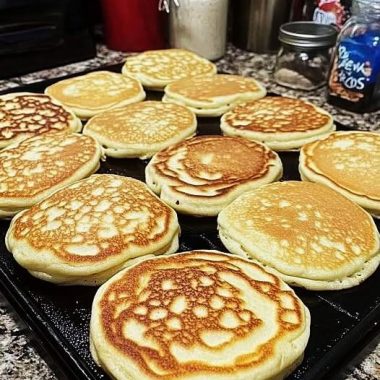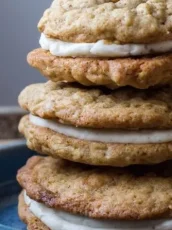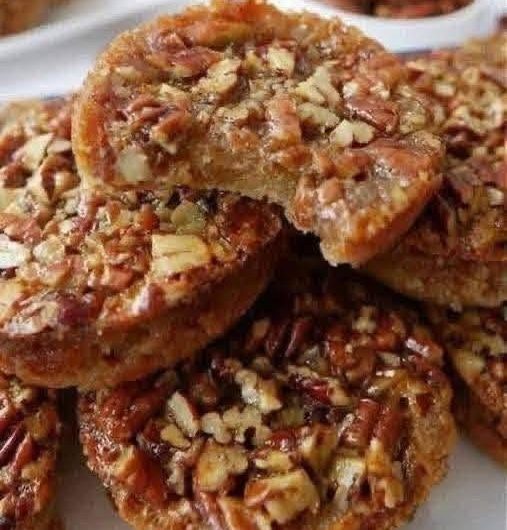
Sourdough Pecan Pie Oatmeal Cookies bring together the rich, buttery flavor of classic pecan pie and the comforting texture of homemade oatmeal cookies. Each cookie combines chewy old-fashioned oats, crunchy pecans, brown sugar, and a subtle tang from sourdough discard to create a delicious treat for any occasion. These cookies have golden edges, soft centers, and a wonderfully nutty flavor that makes them especially satisfying with a cup of coffee, tea, or cold milk. If you enjoy baking with sourdough discard, this recipe is a practical way to use leftover starter while creating something sweet and memorable. With simple pantry ingredients and approximately 30 minutes of total preparation and baking time, these pecan oatmeal cookies are a convenient option for weekend baking, holiday dessert trays, family gatherings, or an everyday homemade snack.
What Makes Sourdough Pecan Pie Oatmeal Cookies Special?
These sourdough pecan pie cookies stand out because they combine several familiar dessert flavors in one easy-to-make recipe. The brown sugar adds a deep caramel-like sweetness, while granulated sugar contributes to the cookies’ structure and helps the edges turn golden in the oven. Butter gives the dough a rich flavor, and the old-fashioned oats create a pleasantly chewy texture. Chopped pecans add a satisfying crunch that recalls the filling of traditional pecan pie. Sourdough discard introduces a mild tang that balances the sweetness without making the cookies taste strongly sour. The result is a bakery-style cookie that feels familiar but offers something a little different from ordinary oatmeal cookies. A light sprinkle of flaky salt is an optional finishing touch that brings the buttery, nutty, and sweet flavors into balance.
Why Bake Cookies With Sourdough Discard?
Sourdough discard is the portion of sourdough starter that is removed during regular starter maintenance. Instead of throwing it away, you can use it in many recipes, including pancakes, crackers, muffins, quick breads, and cookies. In this recipe, the discard contributes moisture and a subtle fermented flavor that complements the brown sugar and pecans. Because the recipe uses unfed sourdough discard, you do not need to feed your starter or wait for it to rise before baking. This makes the cookies especially convenient for home bakers who maintain a sourdough starter and want to reduce waste. The discard is not being used as the main leavening agent here; baking soda helps the cookies rise and develop their texture. The sourdough component is primarily there to contribute flavor and moisture while making good use of an ingredient that might otherwise be discarded.
The Flavor of Brown Sugar and Pecans
Brown sugar is an important ingredient in these pecan pie oatmeal cookies because it gives them a rich sweetness that works beautifully with toasted, nutty flavors. Its molasses content creates a deeper taste than granulated sugar alone and helps the cookies develop a soft, chewy center. Pecans add another layer of flavor, offering a buttery richness and gentle crunch that resembles the filling of a classic pecan pie. When baked, the nuts become fragrant and complement the caramel-like notes of the sugar. The combination creates a cookie that tastes indulgent without requiring a separate pie crust, filling, or complicated preparation. Using chopped pecans also makes it easier to distribute the nuts throughout the dough, helping each cookie contain a little of that signature pecan pie flavor.
How Old-Fashioned Oats Improve Cookie Texture
Old-fashioned oats give these cookies their characteristic chewy texture and make them feel more substantial than many traditional sugar cookies. Their larger flakes hold their shape during mixing and baking, providing a pleasant bite without turning the dough into a dense mass. The oats also pair naturally with brown sugar, vanilla, and pecans, making them an ideal choice for this recipe. For the best results, use old-fashioned rolled oats rather than instant oatmeal packets or quick-cooking oats. Different types of oats absorb moisture differently, so substituting another variety may change the final texture. The oats should be folded into the dough gently after the flour mixture has been incorporated. This helps distribute them evenly while avoiding unnecessary mixing, which can make cookies tougher than intended.
Ingredients for Homemade Sourdough Pecan Oatmeal Cookies
This recipe uses familiar baking ingredients that work together to create cookies with crisp edges and soft, chewy centers. Unsalted butter provides richness, while brown sugar and granulated sugar supply sweetness and influence the finished texture. Sourdough discard and eggs add moisture and help bind the ingredients. Vanilla extract gives the dough a warm aroma, and all-purpose flour provides structure. Baking soda supports spreading and browning, while salt balances the sweetness. Old-fashioned oats contribute chewiness, and chopped pecans supply the nutty flavor associated with pecan pie. Flaky salt can be added after baking for a sweet-and-salty finish. Since the ingredient quantities are designed to work together, measure everything carefully and avoid changing the amounts if you want to preserve the intended balance of the original recipe.
Choosing the Right Butter for the Best Results
Butter has a major influence on both the taste and texture of homemade oatmeal cookies. This recipe calls for one cup of softened unsalted butter, which should be pliable enough to mix smoothly with the sugars but not melted or greasy. Butter that is too cold may not cream properly, while melted butter can change the dough’s structure and cause the cookies to spread more than expected. Softened butter traps small pockets of air when beaten with sugar, helping create a lighter dough. Unsalted butter also gives you better control over the overall saltiness because the recipe includes a measured amount of salt. For an even texture, allow the butter to soften at room temperature before beginning. It should yield slightly when pressed but still hold its shape.
Why Both Brown Sugar and Granulated Sugar Matter
Using two types of sugar gives these cookies a more balanced texture and flavor than relying on only one. Packed brown sugar contributes moisture, a caramel-like taste, and chewiness, all of which complement the oats and pecans. Granulated sugar supports the cookie structure and encourages the edges to become lightly crisp during baking. Together, the sugars create a contrast between the golden exterior and the tender middle. Measuring brown sugar accurately is particularly important because it should be firmly packed into the measuring cup. Too much sugar can cause excessive spreading, while too little may produce cookies with a different texture and flavor. Keep the original quantities for the most reliable result, and cream both sugars with the softened butter until the mixture looks lighter and more uniform.
The Role of Eggs, Vanilla, and Sourdough Discard
Eggs, vanilla extract, and sourdough discard each contribute something different to the dough. The two large eggs help bind the flour, oats, and pecans, allowing the cookies to hold together as they bake. They also contribute moisture and tenderness. Vanilla extract adds a familiar sweet aroma that enhances the flavor of the brown sugar and butter. Sourdough discard brings moisture and a mild tang, creating a subtle contrast with the sweet ingredients. For easier mixing, use eggs that are not extremely cold, since ingredients at similar temperatures generally combine more evenly. Add the eggs, discard, and vanilla after creaming the butter and sugars. Mix until the wet ingredients are incorporated, but avoid prolonged beating once the eggs have been added.
Measuring Flour, Baking Soda, and Salt Correctly
All-purpose flour forms the structural base of the cookies, while baking soda helps the dough spread and brown during baking. Salt enhances the other ingredients and keeps the sweetness from tasting flat. Accurate measurements are important because even small changes in flour quantity can affect the finished cookie. Too much flour may result in dry, thick cookies, while too little can create a dough that spreads excessively. If using measuring cups, stir the flour lightly before spooning it into the cup and leveling the top rather than pressing it down. Whisk the flour, baking soda, and salt together in a separate bowl before combining them with the wet mixture. This step helps distribute the baking soda and salt evenly, reducing the chance of uneven flavor or texture in individual cookies.
How to Prepare the Cookie Dough
Begin by placing the softened butter, packed brown sugar, and granulated sugar in a large mixing bowl. Beat them together until the mixture becomes light and fluffy. This step creates a smooth base and helps the cookies develop a pleasant texture. Add the sourdough discard, eggs, and vanilla extract, then mix until everything is well combined. In another bowl, whisk together the all-purpose flour, baking soda, and salt. Gradually add the dry ingredients to the wet mixture, stirring only until no obvious pockets of flour remain. Finally, fold in the old-fashioned oats and chopped pecans. Folding rather than vigorously beating helps preserve the dough’s texture and distributes the larger ingredients throughout the mixture. The finished dough should be thick enough to scoop and should contain oats and pecans in every portion.
Why Chilling the Dough Is Important
Chilling the dough is a valuable step when making sourdough pecan pie oatmeal cookies. The original recipe recommends chilling the prepared dough for at least 30 minutes. This gives the butter time to firm up, which can help control spreading when the dough enters the hot oven. It also allows the flour and oats to absorb some of the available moisture, helping the dough become more cohesive. Chilled dough can be easier to portion and arrange on baking sheets, especially when it contains plenty of oats and chopped nuts. Although it may be tempting to skip this step, doing so can result in flatter cookies with a different texture. For consistent results, cover the bowl or place the dough in an airtight container before refrigerating. If the dough becomes very firm, allow it to sit briefly until it is manageable.
Preparing the Oven and Baking Sheets
Preheat your oven to 350°F (175°C) before baking. A fully heated oven helps the cookies begin setting at the appropriate time, encouraging even browning around the edges while the centers remain soft. Line your baking sheets with parchment paper to reduce sticking and make cleanup easier. Parchment also provides a convenient surface for lifting the cookies after they have cooled slightly. Arrange the dough portions with enough space between them because cookies naturally spread during baking. Crowding the baking sheet can cause the cookies to run into one another and bake unevenly. If you have several batches, allow the baking sheet to cool before adding more dough, or use a second prepared sheet. These small preparation steps make the baking process smoother and help produce cookies with a more consistent appearance.
How to Shape and Portion the Cookies
Once the dough has chilled, use a spoon or cookie scoop to divide it into portions and place them on the parchment-lined baking sheets. Try to keep the portions similar in size so the cookies bake at approximately the same rate. Larger portions may need additional time, while smaller ones can become dry if left in the oven too long. You do not need to flatten the dough extensively before baking, as the cookies will spread naturally. Make sure the chopped pecans and oats are distributed throughout the mixture rather than concentrated in a few portions. If a cookie portion contains very few nuts, you can gently press a few pieces from the dough back into it before baking. Consistent portioning is a simple way to achieve a neat batch of homemade cookies that look attractive on a serving plate.
Baking Sourdough Pecan Pie Oatmeal Cookies
Bake the cookies in the preheated oven at 350°F (175°C) for approximately 10–12 minutes, following the timing in the original recipe. The edges should look golden, while the centers may still appear slightly soft when the baking sheet is removed from the oven. This is normal for chewy oatmeal cookies because they continue to set as they cool. Avoid waiting until the centers look completely firm or deeply browned, as the cookies may become dry after cooling. Oven temperatures and cookie sizes can vary, so begin checking toward the lower end of the baking range. If you are baking multiple trays, rotate them only when necessary and avoid opening the oven door repeatedly. Watch the edges closely, since they provide a useful indication that the cookies are ready to come out.
The Secret to Soft, Chewy Cookie Centers
If you enjoy cookies with soft, slightly gooey centers, pay close attention to the final minute of baking. The recipe’s note recommends underbaking the cookies by one minute for a softer result. This means removing them while the edges have begun to turn golden but the centers remain a little tender. The cookies will continue cooking gently from the residual heat of the baking sheet, so they do not need to look completely finished in the oven. However, avoid removing them when the dough still appears raw throughout. Allowing the cookies to rest on the baking sheet for five minutes gives their structure time to develop before they are transferred to a cooling rack. This short resting period helps the cookies remain intact while preserving their soft texture.
Cooling and Finishing the Cookies
After baking, leave the cookies on the baking sheet for five minutes before moving them to a wire rack. This brief pause is important because freshly baked cookies are delicate and may break if handled immediately. Once they have rested, transfer them carefully with a spatula and allow them to cool further. If you enjoy a sweet-and-salty flavor, sprinkle a small amount of flaky salt over the cookies while they are still warm. The salt adds a light finishing touch and contrasts with the sweetness of the brown sugar and the richness of the pecans. It is optional, so you can leave it out if you prefer a sweeter cookie. Once the cookies have cooled, the edges should be set, the centers should be pleasantly chewy, and the oats and pecans should provide a satisfying bite.
Common Mistakes to Avoid When Baking Oatmeal Cookies
A few small mistakes can change the texture of homemade oatmeal cookies, but they are easy to avoid with a little preparation. Using melted butter instead of softened butter may lead to excessive spreading. Measuring too much flour can make the cookies dense or dry, while skipping the chilling period may affect their shape. Overmixing after adding the flour can also develop excess gluten, making the finished cookies tougher than intended. Another common mistake is leaving the cookies in the oven until the centers look completely firm. For a chewy result, look for golden edges and remember that the cookies continue to set as they cool. Finally, give the dough portions enough room on the baking sheet. Following the mixing, chilling, spacing, and cooling instructions will help you achieve a more consistent batch.
Easy Ways to Serve Pecan Pie Oatmeal Cookies
These cookies are versatile enough for casual snacks, dessert platters, and special occasions. Serve them slightly warm with a glass of milk for a comforting afternoon treat, or pair them with coffee or tea after a meal. Their buttery pecan flavor makes them especially suitable for autumn gatherings, Thanksgiving dessert tables, Christmas cookie exchanges, and homemade food gifts. They also work well alongside vanilla ice cream when you want a simple plated dessert. For a dessert board, arrange the cookies with fresh fruit, chocolate pieces, or other homemade baked goods. Since the cookies contain oats and nuts, they have a satisfying texture that pairs well with creamy drinks and desserts. Whether served at home or shared with friends, these sourdough discard cookies offer a familiar flavor with an interesting twist.
Storing Homemade Sourdough Pecan Pie Oatmeal Cookies
Store completely cooled cookies in an airtight container to help preserve their texture and flavor. Keeping them covered prevents them from drying out and protects them from absorbing odors from other foods. Allow the cookies to cool fully before placing them in the container, because trapped steam can create excess moisture and soften the exterior. For the best quality, keep the container in a cool, dry place and avoid leaving the cookies exposed to air for long periods. If you are preparing them for a gathering, you can bake them ahead of time and store them until needed. Check that the container seals securely, especially if you plan to transport the cookies. Proper storage helps maintain the contrast between the lightly crisp edges, chewy oat-filled centers, and crunchy pecans.
Freezing Cookie Dough and Baked Cookies
One convenient feature of this recipe is that both the baked cookies and unbaked dough can be frozen. The recipe notes that they freeze well for up to two months when stored in an airtight container. To freeze baked cookies, allow them to cool completely before packing them into a freezer-safe container or bag. Separate layers with parchment paper if needed to help prevent sticking. For unbaked dough, portion it into individual cookie-sized mounds before freezing if you want to bake only a few at a time. Keep the portions well protected from air to reduce freezer burn and preserve flavor. Label the container with the date so you can keep track of storage time. When you are ready to enjoy the cookies, thaw baked ones as needed, or bake frozen dough portions while checking carefully for doneness.
Can You Make These Cookies Ahead of Time?
Yes, these sourdough pecan pie oatmeal cookies are suitable for advance preparation. You can mix the dough, chill it, and bake the cookies when convenient, provided you keep the dough refrigerated during the holding period. For longer storage, freezing is a practical option. Preparing the dough ahead of a holiday or family gathering can reduce the amount of work needed on the day you plan to serve the cookies. You can also bake a full batch in advance and freeze the finished cookies for later use. For the best quality, protect the dough or baked cookies from air and strong odors. If the dough has been refrigerated for an extended period, check its appearance and smell before using it, and follow appropriate food-safety practices when storing dough containing eggs and butter.
Simple Ingredient Preparation Tips
Good preparation makes the recipe easier to follow and helps prevent mistakes during mixing. Measure all the ingredients before you begin, soften the butter, and chop the pecans into relatively even pieces. Smaller pieces distribute more easily through the dough, while a few slightly larger pieces can add extra crunch. Use a large bowl for the wet ingredients so there is enough room to incorporate the flour, oats, and nuts without spilling. Keep the dry ingredients in a separate bowl until the wet mixture is ready. If you want to add flaky salt, set it aside near the baking sheets so you remember to use it while the cookies are still warm. These simple habits save time and make the process more organized, especially if you are preparing several batches for sharing or freezing.
Frequently Asked Questions About Sourdough Pecan Pie Oatmeal Cookies
Can I use unfed sourdough discard? Yes. Unfed sourdough discard is suitable for this recipe, so you do not need to feed your starter before baking. The discard adds flavor and moisture rather than serving as the main leavening agent.
Why does the dough need to chill? Chilling helps firm the butter and allows the ingredients to absorb moisture. This can help control spreading and improve the consistency of the cookies.
How do I keep the centers chewy? Bake the cookies until the edges are golden and the centers remain slightly soft. For an extra-soft center, the recipe recommends reducing the baking time by about one minute, while still ensuring the cookies are properly baked.
Can I leave out the flaky salt? Yes. Flaky salt is optional and can be omitted without changing the main cookie dough.
Can I freeze the cookies? Yes. Both baked cookies and unbaked dough can be frozen in airtight packaging for up to two months for best quality.
Notes for Reliable Baking Results
For the best sourdough pecan pie oatmeal cookies, measure the ingredients accurately, use softened rather than melted butter, and chill the dough for at least 30 minutes. Bake at 350°F (175°C) for 10–12 minutes, checking for golden edges and slightly soft centers. Reduce the baking time by about one minute if you prefer a softer, gooier texture, while making sure the cookies are adequately baked. Let the cookies rest on the baking sheet for five minutes before transferring them to a rack. Flaky salt is an optional topping that can be added while the cookies are warm. Store cooled cookies in an airtight container, and freeze baked cookies or unbaked dough for up to two months. These steps help preserve the intended balance of buttery flavor, chewy oats, caramel-like sweetness, and crunchy pecans.
Why This Sourdough Cookie Recipe Belongs in Your Baking Collection
Sourdough Pecan Pie Oatmeal Cookies are a useful recipe to keep on hand when you want a homemade dessert that combines familiar ingredients with a distinctive flavor. They offer the richness of butter, the sweetness of brown sugar, the chewiness of rolled oats, and the crunch of pecans, with sourdough discard adding a gentle tang. The preparation is straightforward, and the dough can be chilled ahead of baking or frozen for future batches. These qualities make the cookies suitable for everyday treats as well as holiday celebrations and food gifts. With no complicated filling or special equipment required, the recipe offers an accessible way to enjoy pecan pie-inspired flavors in a convenient cookie format. Serve them fresh, share them with friends, or keep a batch in the freezer for whenever a homemade sweet treat sounds appealing.
Sourdough Pecan Pie Oatmeal Cookies
Description: These bakery-style sourdough pecan pie oatmeal cookies feature chewy old-fashioned oats, crunchy pecans, rich brown sugar, and buttery flavor with a subtle tang from sourdough discard. Golden around the edges and soft in the middle, they are a delicious homemade dessert for holidays, gatherings, or everyday snacking.
Preparation & Cooking Duration
- Preparation time: 15 minutes
- Chilling time: At least 30 minutes
- Cooking time: 10–12 minutes per batch
- Total time: Approximately 30 minutes as listed in the original recipe; allow additional time if the chilling period is included
- Oven temperature: 350°F (175°C)
Serving: 24 cookies
Category: Dessert
Method: Baking
Cuisine: American
Diet: Vegetarian
Ingredients
- 1 cup unsalted butter, softened
- 1 cup packed brown sugar
- ½ cup granulated sugar
- ½ cup sourdough discard (unfed is fine)
- 2 large eggs
- 2 teaspoons vanilla extract
- 1½ cups all-purpose flour
- 1 teaspoon baking soda
- ½ teaspoon salt
- 1½ cups old-fashioned oats
- 1½ cups chopped pecans
- Optional: Flaky salt for topping
Step-by-Step Instructions
1. Cream the butter and sugars. Place the softened butter, brown sugar, and granulated sugar in a large bowl. Beat until the mixture becomes light and fluffy.
2. Mix in the wet ingredients. Add the sourdough discard, eggs, and vanilla extract. Mix until the ingredients are well combined.
3. Combine the dry ingredients. In a separate bowl, whisk together the all-purpose flour, baking soda, and salt.
4. Make the cookie dough. Add the dry mixture to the wet ingredients and mix just until combined. Avoid overmixing.
5. Fold in the oats and pecans. Gently stir in the old-fashioned oats and chopped pecans until they are evenly distributed throughout the dough.
6. Chill the dough. Cover and refrigerate the dough for at least 30 minutes to help firm it before baking.
7. Prepare the baking sheets. Preheat the oven to 350°F (175°C) and line baking sheets with parchment paper.
8. Portion the dough. Scoop the chilled dough onto the prepared baking sheets, leaving enough space between portions for spreading.
9. Bake the cookies. Bake for 10–12 minutes, or until the edges turn golden and the centers remain slightly soft.
10. Allow the cookies to set. Leave the cookies on the baking sheet for five minutes before carefully transferring them to a wire rack.
11. Add the finishing touch. If desired, sprinkle the warm cookies with flaky salt before allowing them to cool further.
Notes
- For softer, gooier centers, try removing the cookies about one minute earlier, provided they are adequately baked.
- Chill the dough for at least 30 minutes to help control spreading.
- Store baked cookies or unbaked dough in airtight, freezer-safe packaging for up to two months.
- Allow baked cookies to cool completely before storing them in an airtight container.
Nutritional Information
Exact nutritional values were not provided with the original recipe. The values below are estimates per cookie based on the listed ingredients and a yield of 24 cookies.
- Calories: Approximately 200–230 kcal
- Carbohydrates: Approximately 22–26 g
- Protein: Approximately 3–4 g
- Fat: Approximately 12–15 g
- Saturated fat: Approximately 6–8 g
- Sugar: Approximately 11–14 g
- Fiber: Approximately 1–2 g
- Sodium: Varies with ingredient brands and measurements
Nutrition estimates are provided for general guidance only and may vary depending on ingredient brands, portion size, and preparation.