Creamy Tuscan Garlic Shrimp is a rich, flavorful, and easy seafood recipe that brings restaurant-style cooking straight to your kitchen. Made with tender shrimp, fresh garlic, sun-dried tomatoes, baby spinach, Parmesan cheese, and a smooth cream sauce, this Italian-inspired dish offers an irresistible combination of savory flavors and comforting textures.
Best of all, it comes together in approximately 20 minutes, making it an excellent choice for busy weeknights, relaxed family dinners, or special occasions when you want something delicious without spending hours in the kitchen.
The secret to this creamy Tuscan shrimp recipe is the balance between the naturally sweet shrimp and the rich garlic Parmesan sauce. Sun-dried tomatoes provide a slightly tangy sweetness, while baby spinach adds freshness and a beautiful green color.
Fresh basil brings a fragrant finish that complements the creamy sauce. Every ingredient contributes something special, creating a satisfying skillet meal that tastes impressive but requires only basic cooking skills and readily available ingredients.
Why You Will Love This Creamy Tuscan Shrimp Recipe
One of the biggest reasons to love Creamy Tuscan Garlic Shrimp is its simplicity. You do not need complicated techniques, expensive equipment, or a long list of unusual ingredients to prepare this delicious meal. Everything cooks in one skillet, allowing the flavors to develop together while keeping cleanup manageable. Since shrimp cooks quickly, you can have dinner ready in less time than it takes to prepare many traditional seafood dishes.
Another reason this recipe stands out is its versatility. You can serve the creamy shrimp directly from the skillet with crusty bread, spoon it over cooked pasta, or pair it with rice for a filling dinner. It also works beautifully alongside roasted vegetables or a crisp green salad. Whether you are preparing a quick meal for yourself or serving guests, the creamy sauce and colorful ingredients create an appealing presentation without requiring elaborate preparation.
The recipe is also easy to customize according to your preferences. You can adjust the amount of garlic, add extra spinach, or include a little additional Parmesan cheese for a stronger savory flavor. The basic combination of shrimp, cream, tomatoes, and herbs is delicious on its own, so there is no need to make unnecessary changes to enjoy a flavorful result.
What Makes Tuscan Garlic Shrimp So Flavorful?
The distinctive flavor of Tuscan shrimp comes from combining aromatic garlic, buttery richness, sweet and tangy sun-dried tomatoes, and creamy Parmesan sauce. Although the recipe is inspired by Italian-style cooking, it is best described as an Italian-inspired American skillet dish rather than a traditional regional Tuscan preparation. Its appeal comes from familiar ingredients that complement one another and create a rich, comforting seafood dinner.
Garlic forms the aromatic foundation of the sauce. When gently cooked in butter, it releases a savory fragrance that immediately enhances the other ingredients. Sun-dried tomatoes contribute concentrated tomato flavor, bringing sweetness and acidity that help balance the richness of the cream. Parmesan cheese adds a deeper savory taste, while fresh basil introduces a delicate herbal aroma.
Baby spinach completes the combination with its mild flavor and tender texture. It wilts into the warm sauce without overpowering the shrimp or the other ingredients. Together, these elements create a creamy garlic shrimp dish that tastes balanced rather than excessively heavy. The sauce is rich enough to feel comforting, but the tomatoes, greens, and herbs provide contrast in every bite.
Choosing the Best Shrimp for This Recipe
Shrimp is the main ingredient in this recipe, so choosing good-quality seafood makes a noticeable difference. Large or medium-large shrimp work particularly well because they remain substantial in the finished dish and are easy to cook evenly. Peeled and deveined shrimp are convenient for home cooks because they reduce preparation time and make serving easier.
Fresh shrimp can be used when available, but frozen shrimp are also an excellent option. If using frozen shrimp, thaw them safely in the refrigerator or under cold running water in a sealed bag. Drain thoroughly and pat them dry with paper towels before cooking. Removing excess moisture helps the shrimp develop a light golden sear instead of releasing too much liquid into the skillet.
Both raw and previously cooked shrimp can be used, although raw shrimp generally provide better control over texture and browning. Raw shrimp should be cooked until the flesh turns opaque and reaches a safe internal temperature of 145°F (63°C). Avoid leaving shrimp in the pan longer than necessary because overcooking can make the texture firm and rubbery. Properly cooked shrimp should be tender, juicy, and easy to bite through.
How to Make Creamy Tuscan Garlic Shrimp
Start by preparing all the ingredients before heating the skillet. Pat the shrimp dry, season them with salt and black pepper, mince the garlic, chop the sun-dried tomatoes if necessary, and measure the remaining ingredients. Having everything ready makes the cooking process easier because shrimp cooks quickly and the sauce comes together in just a few minutes.
Heat the olive oil in a large skillet over medium-high heat. Add the seasoned shrimp in a single layer, working in batches if the skillet is too crowded. Sear them until lightly golden and nearly cooked through, turning once to cook both sides. The exact cooking time depends on the size of the shrimp, so watch their color and texture rather than relying only on the clock. Transfer the shrimp to a plate while you prepare the sauce.
Reduce the heat to medium and add the butter to the same skillet. Once melted, stir in the minced garlic and sun-dried tomatoes. Cook briefly until the garlic becomes fragrant and the tomatoes begin releasing their flavor into the butter. Keep the ingredients moving to prevent the garlic from burning.
Sprinkle the flour into the skillet and stir until it combines with the butter and tomato mixture. Allow it to cook briefly to remove the raw flour taste. Gradually pour in the heavy cream while stirring continuously. This gradual addition helps create a smoother sauce and reduces the chance of lumps forming.
Add the Parmesan cheese and stir until it melts into the cream. Let the sauce simmer gently until it thickens enough to coat the back of a spoon. Avoid boiling it vigorously because excessive heat can cause the dairy-based sauce to separate or become grainy. Add the baby spinach and stir until the leaves wilt into the creamy mixture.
Return the shrimp and any accumulated juices to the skillet. Gently stir to coat each piece with the sauce, allowing the shrimp to finish cooking if needed. Once the shrimp are opaque and cooked through, remove the pan from the heat. Finish with fresh basil and serve while the sauce is warm and creamy.
Tips for a Smooth and Creamy Parmesan Sauce
A silky sauce is one of the most important features of a successful Tuscan shrimp recipe. Begin by cooking the flour briefly in the butter before adding the cream. This step helps incorporate the thickener evenly and prevents the sauce from having a raw flour flavor. Stirring continuously as the cream is added also helps keep the mixture smooth.
Use freshly grated Parmesan whenever possible. Pre-grated cheese may contain anti-caking ingredients that can affect how smoothly it melts. Add the cheese gradually and allow each addition to incorporate before adding more. Keep the heat at a gentle simmer rather than allowing the sauce to boil rapidly.
If the sauce becomes too thick, stir in a small splash of additional cream until it reaches your preferred consistency. If it seems too thin, allow it to simmer gently for another minute or two, stirring regularly. Remember that Parmesan also thickens the sauce as it melts, so give the cheese time to incorporate before making further adjustments.
For the best texture, avoid adding cold ingredients in large amounts directly to a very hot sauce. Gradual mixing helps maintain an even temperature and encourages the cream and cheese to blend together properly.
Common Mistakes to Avoid When Cooking Tuscan Shrimp
Overcooking the shrimp is one of the most common mistakes when preparing creamy seafood dishes. Shrimp needs only a short time to cook, and leaving it in the skillet throughout the entire sauce-making process can result in a tough texture. Searing it first and temporarily removing it from the pan gives you better control over the final result.
Another mistake is overcrowding the skillet. When too many shrimp are added at once, they release moisture and steam rather than developing a light golden surface. Use a sufficiently large skillet or cook the shrimp in batches to improve browning.
Burning the garlic can also affect the finished flavor. Garlic cooks quickly, especially in butter, so keep the heat moderate and stir frequently. Add the cream before the garlic has a chance to darken excessively.
Finally, avoid adding spinach too early. It wilts quickly, and prolonged cooking can make it lose its fresh appearance. Stir it into the sauce shortly before returning the shrimp to the skillet. These simple techniques help preserve the ingredients’ flavor and texture.
What to Serve with Creamy Tuscan Garlic Shrimp
Creamy Tuscan Garlic Shrimp pairs well with several side dishes, making it easy to adapt to different meals. Crusty bread is a particularly good choice because it can be used to scoop up the garlic Parmesan sauce. Warm breadsticks, toasted baguette slices, or homemade dinner rolls also complement the creamy texture.
For a heartier meal, serve the shrimp over pasta. Linguine, fettuccine, spaghetti, and penne all work well because they provide a base for the sauce. Cook the pasta separately until tender, then spoon the shrimp and sauce over it. You can also toss the pasta directly with some of the sauce before arranging the shrimp on top.
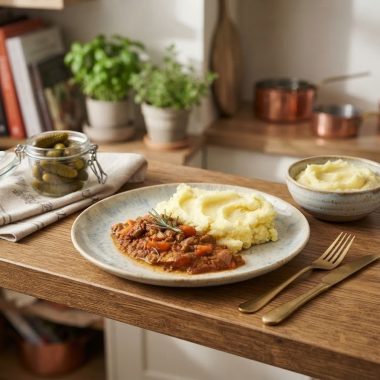
Rice is another convenient option, especially when you want a simple dinner that does not require much additional preparation. Mashed potatoes offer a soft, comforting base that pairs naturally with the creamy sauce. For a lighter meal, consider roasted broccoli, asparagus, zucchini, or a fresh salad with a simple dressing.
Choose a side dish according to the occasion and your appetite. The shrimp can be served as the main course for a family dinner or arranged with bread and vegetables for a more special meal. Because the sauce is flavorful, simple accompaniments often work best.
Easy Variations for Different Preferences
Although the classic version is delicious, this recipe can be adapted to suit different tastes. If you enjoy a stronger garlic flavor, add a little extra minced garlic while keeping an eye on the cooking time. For additional savory depth, use a little more Parmesan cheese, adjusting the seasoning carefully because the cheese already contributes saltiness.
You can add more baby spinach if you prefer extra greens in your meal. Stir it into the sauce in batches and allow each addition to wilt before adding the next. If you enjoy a little heat, a small pinch of red pepper flakes can provide gentle warmth without overwhelming the creamy sauce.
For a dairy-free variation, use suitable plant-based butter, an unsweetened dairy-free cream alternative, and a plant-based Parmesan-style substitute. Results will vary depending on the products used, particularly because some alternatives do not thicken or melt in the same way as traditional dairy ingredients.
If you want to change the protein, scallops or pieces of salmon may work with a similar sauce, although their cooking times will differ. Chicken can also be used, but it must be cooked thoroughly and will require more time than shrimp. These alternatives create different dishes, so adjust the cooking method rather than following the shrimp timing exactly.
Is Creamy Tuscan Garlic Shrimp a Healthy Dinner?
Shrimp provides protein while generally being relatively low in calories compared with many other protein sources. It also contains nutrients such as vitamin B12, selenium, and iodine. Baby spinach contributes folate, vitamin K, and other micronutrients, while tomatoes add flavor and some beneficial plant compounds.
However, the nutritional profile of this dish depends heavily on the amount of butter, heavy cream, Parmesan cheese, and oil used. These ingredients add richness but also contribute calories and saturated fat. For that reason, it is more accurate to describe this recipe as a protein-containing seafood meal than to automatically label every version low-calorie or low-fat.
You can serve a moderate portion with vegetables or a fresh salad to create a balanced meal. If you are monitoring sodium intake, pay attention to the amount of salt added and remember that Parmesan cheese can be salty. The overall nutritional value will also depend on portion size and the side dishes served alongside the shrimp.
Frequently Asked Questions About Creamy Tuscan Garlic Shrimp
Can I use frozen shrimp?
Yes. Frozen shrimp work very well in this recipe. Thaw them safely, drain thoroughly, and pat them dry before seasoning and searing. Removing excess moisture helps the shrimp brown properly and prevents the sauce from becoming watery.
Can I make this recipe without flour?
Yes, but the sauce may have a thinner consistency. You can allow the cream to reduce gently or use a suitable alternative thickener according to its package instructions. Parmesan also adds some body as it melts, although it may not replace all the thickening power of flour.
Why did my Parmesan sauce become grainy?
A grainy sauce can result from excessive heat or cheese that does not melt smoothly. Keep the sauce at a gentle simmer, use finely grated Parmesan, and stir while adding the cheese. Avoid boiling the sauce vigorously after the cheese has been incorporated.
Can I prepare Creamy Tuscan Shrimp ahead of time?
This dish is best served immediately because shrimp has its best texture when freshly cooked. You can save time by preparing the garlic, measuring the ingredients, and chopping the tomatoes ahead of time. For the best results, cook the shrimp and finish the sauce shortly before serving.
How do I know when the shrimp is cooked?
Properly cooked shrimp generally turns opaque with a pink exterior and a firm but tender texture. For food safety, the internal temperature should reach 145°F (63°C). Check larger shrimp carefully because their cooking time can differ from that of smaller pieces.

Keto Creamy Tuscan Shrimp
Savor the delightful flavors of Italy with our Creamy Tuscan Shrimp recipe. This dish is low-carb, high in protein, and gluten-free, offering a perfect blend of taste and nutrition. With a preparation time of just 5 minutes and a cook time of 10 minutes, this seafood sensation is quick and easy to whip up for a satisfying meal.
343
kcal15
minutesIngredients
2 tablespoons olive oil
1 lb. white shrimp, peeled and deveined
½ teaspoon salt
¼ teaspoon ground black pepper
2 tablespoons butter
1 tablespoon garlic, minced
¼ cup sun-dried tomatoes
1 teaspoon all-purpose flour
1 cup heavy cream
¼ cup Parmesan cheese, grated
3 cups baby spinach
2 tablespoons fresh basil, finely sliced
Directions
- Heat oil in a large skillet over medium-high heat for 2 minutes until the oil is sizzling hot. Add shrimp and season with salt and pepper. Sauté for 5 minutes until the shrimp becomes nicely browned on both sides. Set aside on a plate.
- In the same skillet, add butter, garlic, and sun-dried tomatoes. Sauté until fragrant, about 1 minute. Stir in flour and mix until well combined.
- Add heavy cream and Parmesan cheese. Stir well and bring the sauce to a simmer. Reduce the heat to medium and keep stirring until thickened to a desired consistency.
- Stir in spinach and cook until softened, about 1 minute. Return the cooked shrimp to the skillet and toss well to coat.
- Sprinkle basil on top and serve immediately over pasta, rice, or mashed potatoes.
Nutrition Facts
- Serving Size: 1 g
- Calories: 343kcal
- Fat: 25.7g
- Cholesterol: 235.2mg
- Carbohydrates: 3.5g
- Sugar: 1.3g
- Protein: 26.5g