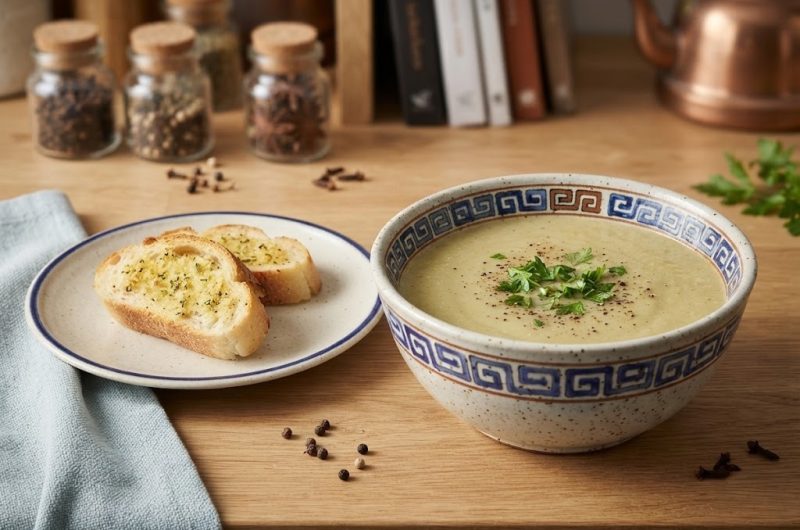
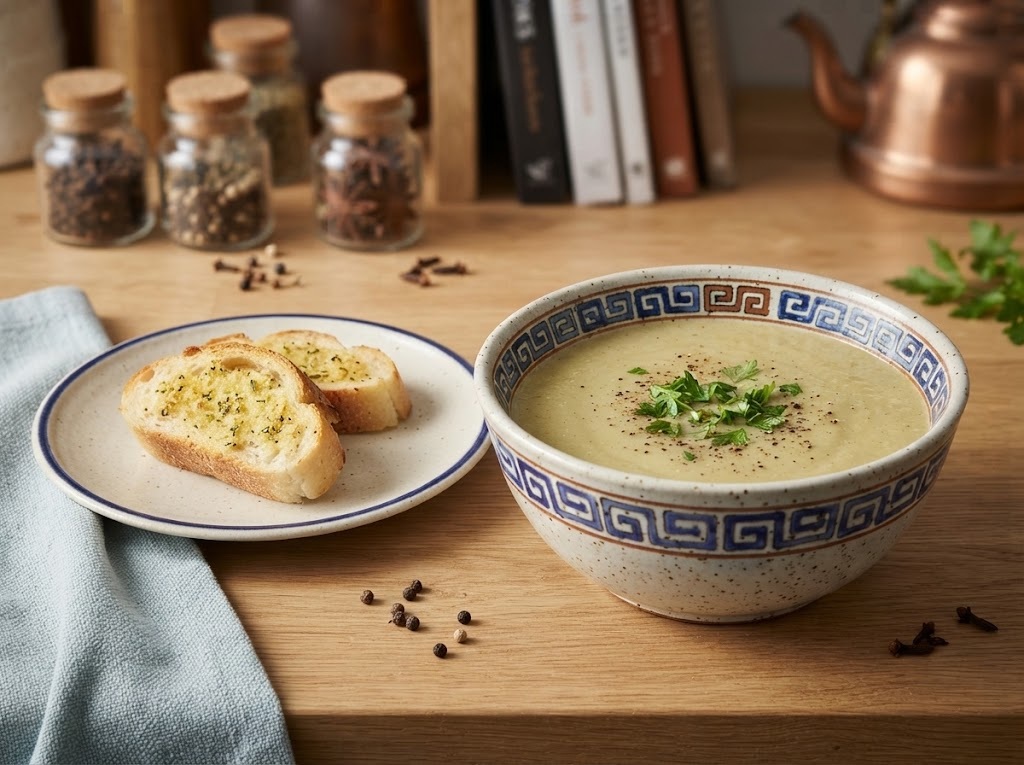
Light and Healthy Cabbage Soup is a simple homemade vegetable soup that brings together tender cabbage, onion, celery, ginger, green chili, and warming spices in one comforting bowl. It is quick enough for a busy weeknight yet flavorful enough to make you want another serving. The soup has a naturally fresh vegetable taste, a smooth texture after blending, and a fragrant black pepper seasoning that gives the finished dish plenty of character.
When the weather turns cool or rainy, a warm bowl of homemade soup can be one of the easiest ways to put together a satisfying meal without spending hours in the kitchen. This easy cabbage soup recipe uses everyday ingredients and a short cooking process. The vegetables are lightly sautéed, pressure cooked until tender, blended until smooth, and finished with a simple pepper seasoning. Serve it with crisp garlic bread, toast, or a sandwich for a complete light meal.
Why This Cabbage Soup Is Worth Making
Cabbage is an inexpensive and versatile vegetable that works particularly well in soups because it becomes soft and naturally sweet as it cooks. In this recipe, cabbage is combined with onion, celery, ginger, green chili, cloves, and bay leaf to create a flavorful vegetable base. Blending the cooked mixture produces a smooth soup while keeping the preparation straightforward and practical for home cooks.
One of the most useful things about this healthy cabbage soup is its flexibility. Celery can be omitted if it is unavailable, while carrots can be used in its place as specified in the original recipe. The seasonings can also be adjusted according to personal taste. A small amount of sugar helps balance the flavors, while freshly ground black pepper provides a warm, slightly spicy finish.
A Quick Homemade Soup for Busy Days
This cabbage soup is especially convenient when you want something warm without preparing a complicated dinner. The vegetables require only basic chopping, and the pressure-cooking method reduces the cooking time considerably. Once the vegetables are tender, they are blended and returned to the heat with seasoning before being simmered briefly.
The combination of oil and butter used at the beginning gives the vegetables a richer foundation. Ginger and green chili bring freshness and gentle heat, while cloves and bay leaf add an aromatic background. Because the vegetables are blended after cooking, every spoonful carries the flavor of the cooked ingredients rather than leaving large pieces throughout the bowl.
What Makes the Flavor Special
Cabbage has a mild flavor, so the supporting ingredients are important in this recipe. Onion contributes sweetness, ginger adds warmth, and green chili provides a fresh spicy note. Cloves and bay leaf are used during cooking to add fragrance, and they are removed before blending so their flavor does not overpower the soup.
The final seasoning is particularly important. Freshly ground black pepper is added to hot ghee, clarified butter, or oil and allowed to sizzle briefly. This creates a fragrant pepper-infused finishing oil that can be stirred into the soup. It is a small step, but it gives this simple cabbage soup a noticeably deeper and more aromatic taste.
How to Prepare Cabbage Soup
Prepare the Vegetables
Begin by washing, peeling, and cutting the ginger into two or three large pieces. Roughly chop the cabbage and onion, prepare the celery or carrots, and slice the green chili. Keeping the ginger in larger pieces makes it easier to remove later along with the whole spices.
Heat a pressure pan until hot, then add the oil and butter. Add the cloves and bay leaf and sauté them for a few seconds. Follow with the chopped onion, ginger, celery, and green chili. Cook everything for about one minute over medium-high heat while stirring regularly so the vegetables begin to soften without becoming overly browned.
Add the roughly chopped cabbage and sauté for another two minutes. This short sautéing step helps the cabbage develop more flavor before the cooking liquid is added.
Pressure Cook the Vegetable Mixture
Pour in 1 to 1½ cups of water and close the pressure cooker. Pressure cook on high for one whistle. If you are preparing the soup in an Instant Pot, pressure cook the vegetables for two minutes and then release the pressure.
Once the pressure has been released safely, open the cooker and remove the whole spices and larger ginger pieces. The cloves, bay leaf, ginger, and green chili should be removed before blending according to the original method.
Blend Until Smooth
Transfer the cooked vegetable mixture to a blender and blend until smooth. An immersion blender can also be used directly in the cooking vessel if preferred. Blend carefully, especially while working with hot ingredients.
Once blended, return the soup to the pan if necessary. Add enough water to reach your preferred consistency. Some people enjoy a thicker vegetable soup, while others prefer a lighter, more pourable texture. Adjusting the water allows you to make the soup exactly the way you like it.
Add the crushed vegetarian Maggi seasoning cube if using, followed by salt and sugar. Mix thoroughly and bring the soup to a boil. Reduce the heat and simmer for approximately five minutes.
Preparing the Pepper Seasoning
While the soup is simmering, prepare the finishing seasoning. Heat the ghee, clarified butter, or oil in a small saucepan. Once it becomes hot, add the freshly ground black pepper. The pepper should sizzle quickly.
As soon as the spice becomes fragrant and starts sizzling, remove the pan from the heat. Add this seasoning to the simmering cabbage soup and stir well. The hot fat helps release the aroma of the freshly ground pepper, giving the finished soup a more pronounced and inviting flavor.
How to Serve Cabbage Soup
Serve the soup hot, preferably soon after the final seasoning has been added. Garnish with chopped cilantro, celery leaves, or dill leaves according to what is available. The fresh herbs add color and a light herbal flavor that works well with the creamy vegetable texture.
This soup can be served as an appetizer before a larger meal, but it also works as a light main course. Garlic bread makes an especially good accompaniment because the crisp bread and buttery garlic topping provide a pleasant contrast to the smooth, warm soup. Plain toast or a simple sandwich can also be served alongside it.
Homemade Garlic Bread for Serving
Make the Garlic Butter
For the garlic bread, soften the butter and combine it with grated garlic, freshly ground black pepper, and finely chopped cilantro. Mix until the ingredients are evenly distributed throughout the butter.
Choose French bread or regular bread slices depending on what you have available. Spread the garlic butter generously over both sides of each slice. The butter mixture should cover the surface well so that the bread develops a flavorful, lightly crisp exterior when grilled.
Grill the Bread
Heat a griddle over medium heat. Once hot, place the prepared bread slices on the surface and grill both sides until lightly browned. Keep an eye on the bread because the garlic butter can brown quickly.
The finished garlic bread should be slightly crisp outside while remaining tender enough inside. Serve it immediately with the hot cabbage soup for a simple homemade combination that works particularly well for lunch, dinner, or a light evening meal.
Easy Ways to Adjust the Recipe
Using Different Vegetables
The same basic cooking method can be adapted for other vegetables. The original recipe notes that similar soup can be prepared using cauliflower, bottle gourd, pumpkin, carrots, or potato. This makes the cooking technique useful beyond cabbage soup and provides a practical way to use vegetables already available in the kitchen.
If celery is not available, it can be omitted or replaced with carrots. Carrots add natural sweetness, attractive color, and another vegetable component while keeping the soup simple.
Making the Soup Creamier
For a richer and creamier texture, cream or coconut milk can be stirred into the finished soup. This changes the character of the dish while maintaining its vegetable-based foundation. Add the creamy ingredient gradually and adjust the consistency according to preference.
For a completely vegan version, avoid butter and ghee. The original recipe already provides oil as an option in the seasoning, making it possible to prepare the soup without dairy ingredients.
Frequently Asked Questions
Can I make cabbage soup without celery?
Yes. Celery can be omitted if it is unavailable. The original recipe also suggests using carrots instead of celery. Carrots provide additional color and a naturally sweet vegetable flavor, making them a practical substitution.
Can I make this soup vegan?
Yes. To make the recipe completely vegan, avoid butter and ghee and use oil instead. The garlic bread can also be prepared with oil if desired, as specified in the original ingredient list.
Can I make the soup without a pressure cooker?
The provided recipe uses a pressure pan or Instant Pot for quick cooking. If using a regular pot, the vegetables can still be cooked until completely tender before blending, although the cooking time will need to be adjusted according to the vegetables and cookware.
Can I add cream or coconut milk?
Yes. The original notes state that cream or coconut milk can be added for a creamier texture. Add it after the soup has been blended and adjust the amount according to the desired consistency.
What can I serve with cabbage soup?
Garlic bread, plain toast, or a sandwich are suitable serving choices. The crisp texture of toasted bread contrasts nicely with the smooth vegetable soup, making the combination more satisfying.
Healthy Cabbage Soup Recipe
A light, smooth, and comforting cabbage soup made with cabbage, onion, celery or carrots, ginger, green chili, aromatic spices, and freshly ground black pepper.
4
servings10
minutes15
minutes25
minutesIngredients
3 cups roughly chopped cabbage
1 small onion roughly chopped
¼ cup chopped celery (or carrots)
1 small green chili sliced
3 cloves
1 bay leaf
1 inch ginger
1 cube Vegetarian Maggi cube optional
¼ to ½ teaspoon sugar
Salt to taste
2 tablespoons oil
1 tablespoon butter
Coriander leaves/cilantro for garnishing
- For Seasoning:
2 tablespoons ghee/clarified butter/oil
1 teaspoon freshly ground black pepper
- For Serving — Garlic Bread:
Few slices of bread French or regular bread slices
¼ cup salted butter (oil if vegan)
2 garlic cloves
1 tablespoon finely chopped cilantro/coriander leaves
½ teaspoon freshly ground black pepper
Directions
- Wash, peel, and cut the ginger into 2 to 3 large pieces.
- Heat a pressure pan. Once hot, add the oil and butter along with the cloves and bay leaf. Sauté briefly.
- Add the chopped onion, ginger pieces, celery, and sliced green chili. Cook for about 1 minute over medium-high heat, stirring frequently.
- Add the chopped cabbage and sauté for another 2 minutes.
- Pour in 1 to 1½ cups of water and pressure cook on high for 1 whistle. For an Instant Pot, pressure cook for 2 minutes and then release the pressure.
- Remove the cloves, ginger pieces, bay leaf, and green chilies from the cooked mixture.
- Blend the vegetables using a blender or immersion blender until smooth.
- Add enough water to reach the preferred consistency. Add the crushed vegetarian seasoning cube if using, salt, and sugar. Stir well.
- Bring the soup to a boil, then reduce the heat and simmer for 5 minutes.
- For the seasoning, heat the ghee, clarified butter, or oil in a small saucepan. Add the freshly ground black pepper when hot.
- Once the pepper begins to sizzle, remove the pan from the heat and add the seasoning to the simmering soup.
- Once the pepper begins to sizzle, remove the pan from the heat and add the seasoning to the simmering soup.
- Soften the butter and combine it with grated garlic, freshly ground black pepper, and chopped cilantro.
- Slice the French or regular bread and spread the garlic butter over both sides.
- Heat a griddle and grill the bread slices on both sides over medium heat until lightly browned.
- Serve the slightly crisp garlic bread alongside the hot cabbage soup.
Notes
- A similar soup can be prepared using cauliflower, bottle gourd, pumpkin, carrots, or potato.
- Adjust the spices according to personal taste.
- If celery is unavailable, omit it or use carrots instead.
- Cream or coconut milk can be added for a creamier texture.
- For a completely vegan version, use oil instead of butter and ghee.
- The vegetarian seasoning cube is optional.
- Serve the soup hot with garlic bread, plain toast, or a sandwich.